Wicking
The upward movement of moisture along fibre surfaces during drying, carrying dissolved soil back to the visible face. Why a successfully cleaned spot reappears two days later.
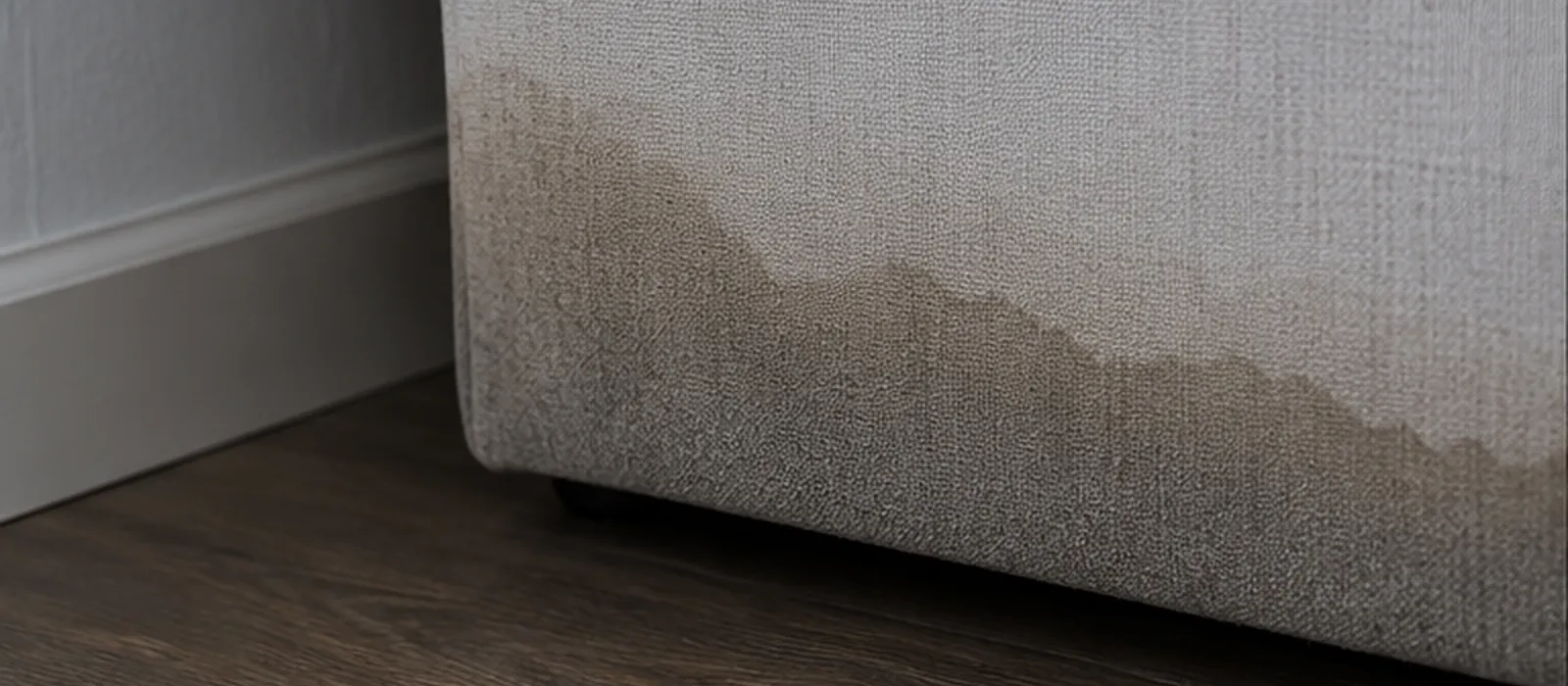
Wicking is the upward flow of moisture along fibre surfaces as a textile dries — ordinary capillary action. Whatever is dissolved in that moisture travels with it and is deposited at the surface when the water evaporates.
It explains two effects that otherwise look unrelated:
The reappearing spot. A mark cleaned out of the face fabric, while its residue remained deeper in the pile or the filling, comes back as the drying moisture carries that residue up again. The spot was not badly cleaned; it was incompletely reached.
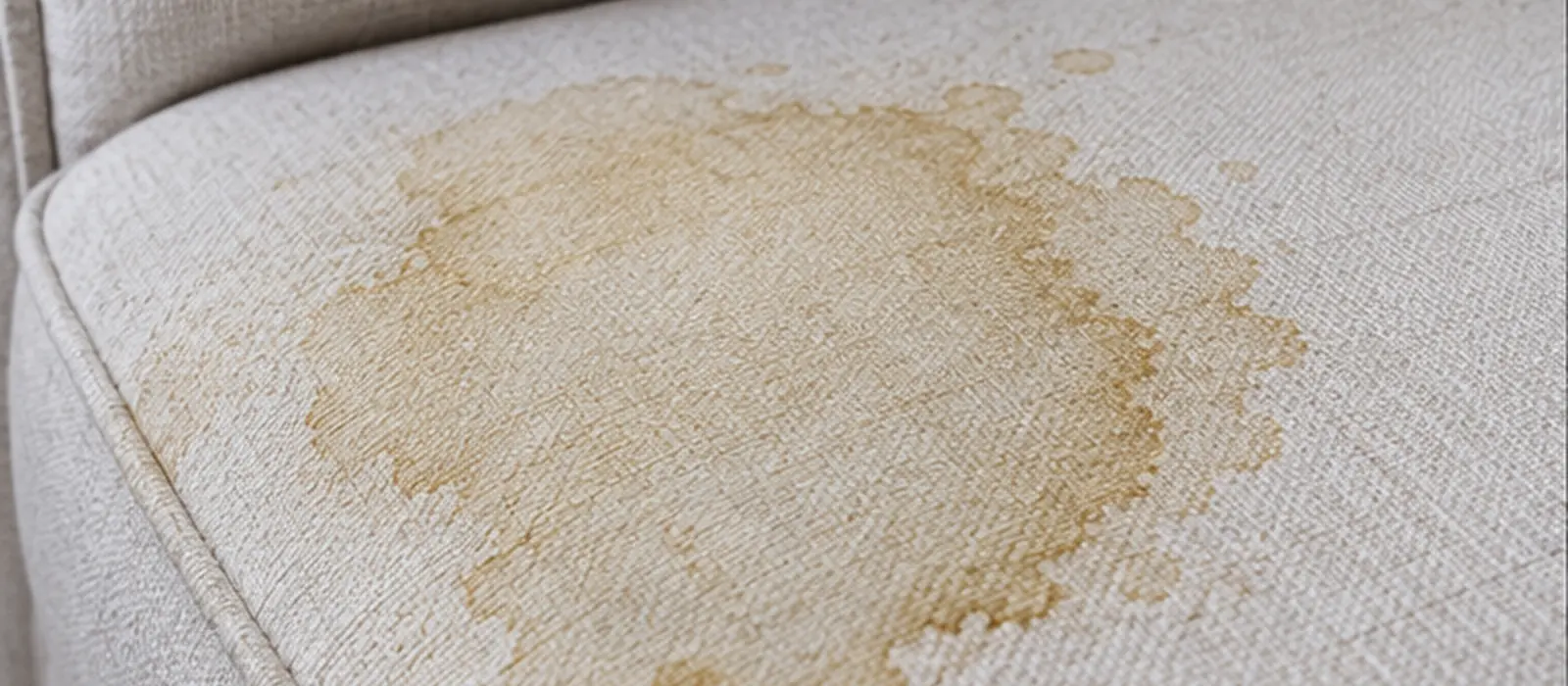
Browning. Dissolved lignin in cellulosic fibres wicks to the face and deposits there as a yellow-brown discolouration.
In both cases the instinctive response makes it worse. Re-treating the area with more moisture supplies exactly the mechanism causing the problem.
The correct response is less water and faster drying: blot the area, weight it with a pad of white towelling so moisture is drawn upward into the towel rather than into the fabric face, and get air moving across it.
Prevention is the same set of controls that prevent over-wetting — minimum solution, additional dry extraction passes, immediate airflow.