Water-based cleaning
Also called: aqueous cleaning
Cleaning in which water is the solvent. Effective on polar soils — sugars, salts, most food residues, perspiration — and the source of shrinkage, ringing and browning risk.
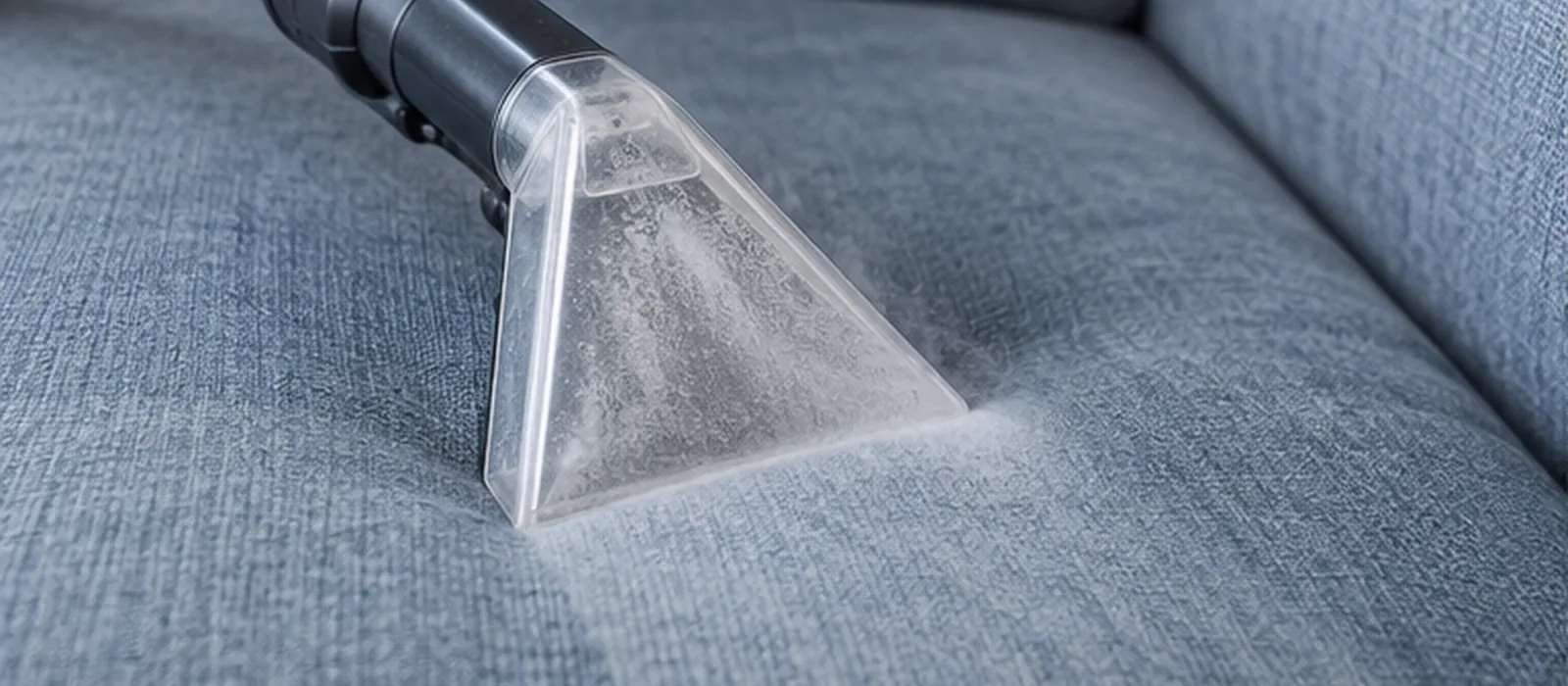
Water-based cleaning uses water as the carrying solvent, usually with surfactants and often with the pH adjusted for the soil being targeted.
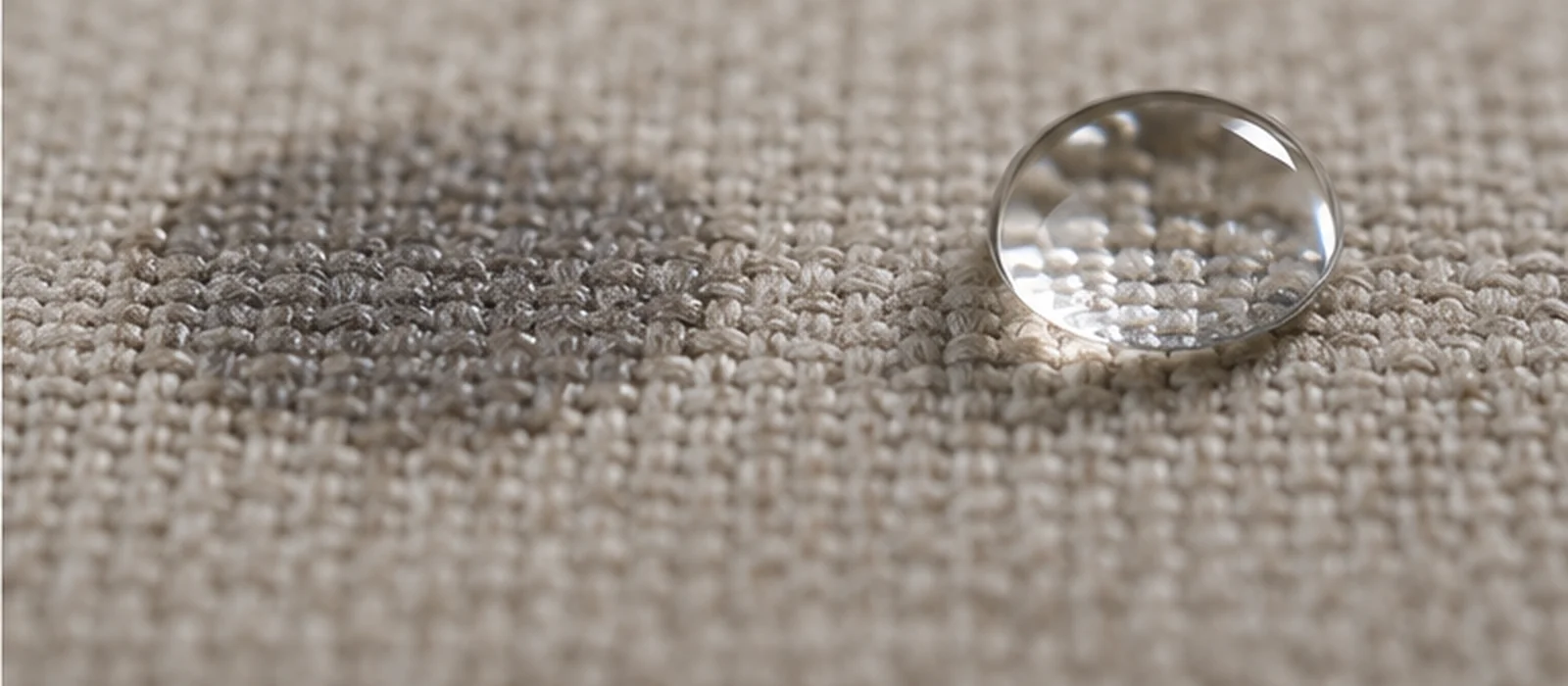
Water is polar, so it takes up polar soils: sugars, salts, most food residues, water-soluble dyes, perspiration and general household grime. It does very little to oils and greases without surfactant help.
pH is the main variable within the category. Alkaline formulations work on grease and protein soils; acidic formulations work on mineral deposits and tannin marks. Using the wrong one can set a stain rather than remove it.
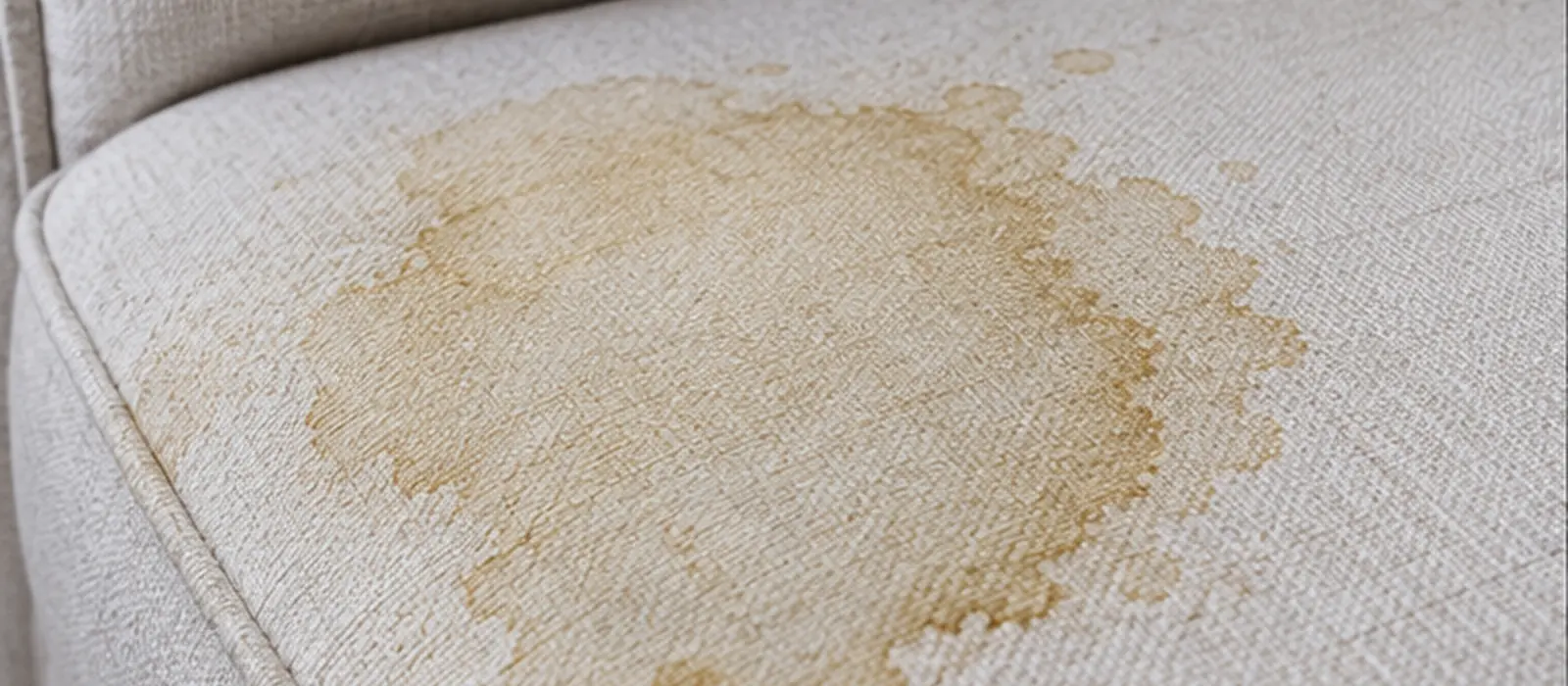
The risks are all moisture risks rather than chemical ones. Water causes shrinkage in regenerated cellulosics, produces rings where a wetted area dries with a hard edge, and mobilises lignin in cellulosic fibres to produce browning. This is why the volume of water used is a decision rather than a constant, and why a wetter clean is not a better clean on a marginal fabric.
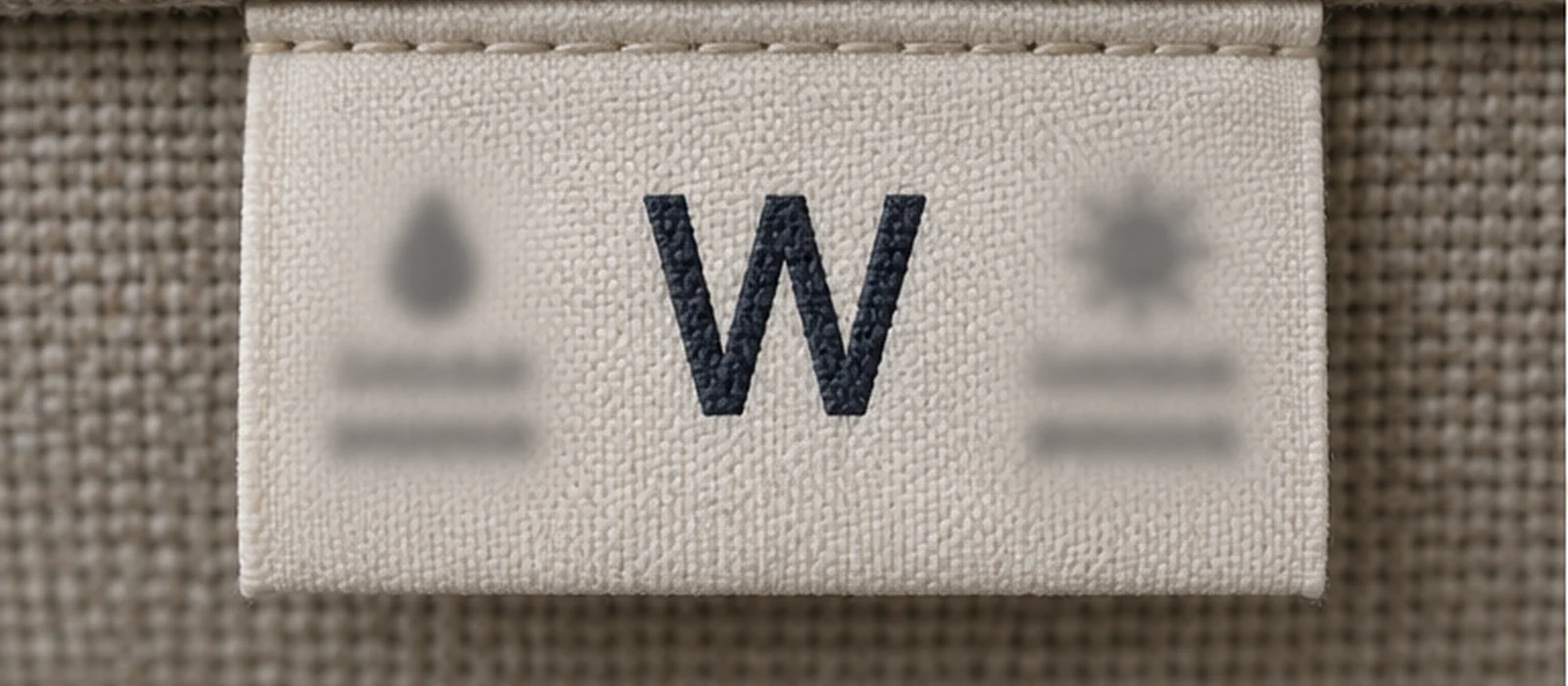
Permitted on W and WS coded fabrics. Prohibited on S and X.