Over-wetting
Introducing more moisture into a textile than can be recovered and dried promptly. The root cause of browning, wicking, prolonged drying and microbial growth in upholstery.
Over-wetting is putting more water into a textile than can be extracted and dried promptly. It is the most common cause of avoidable damage in wet cleaning, and it is a decision rather than an accident.
What it produces:
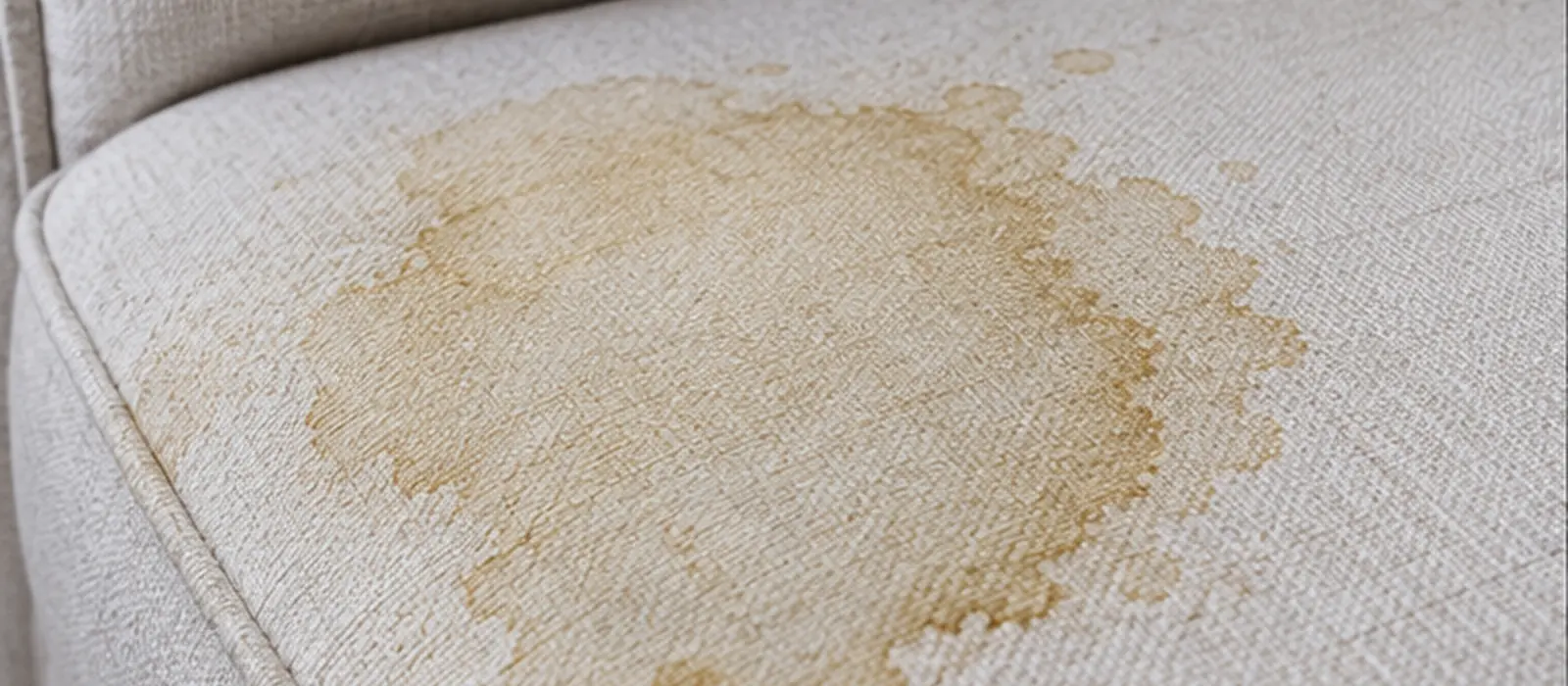
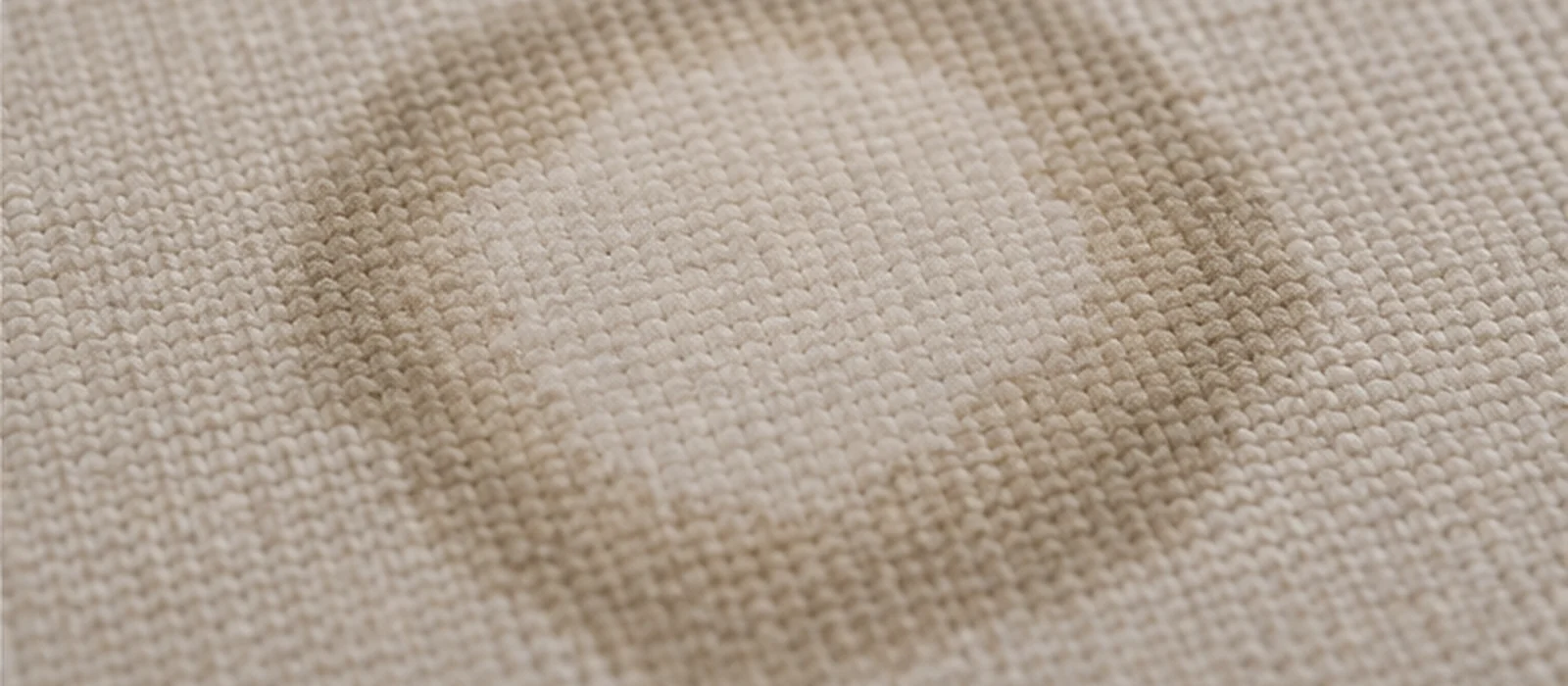
- Browning. Over-wetting is listed alongside slow drying and high alkalinity as a standard contributing factor to cellulosic browning.
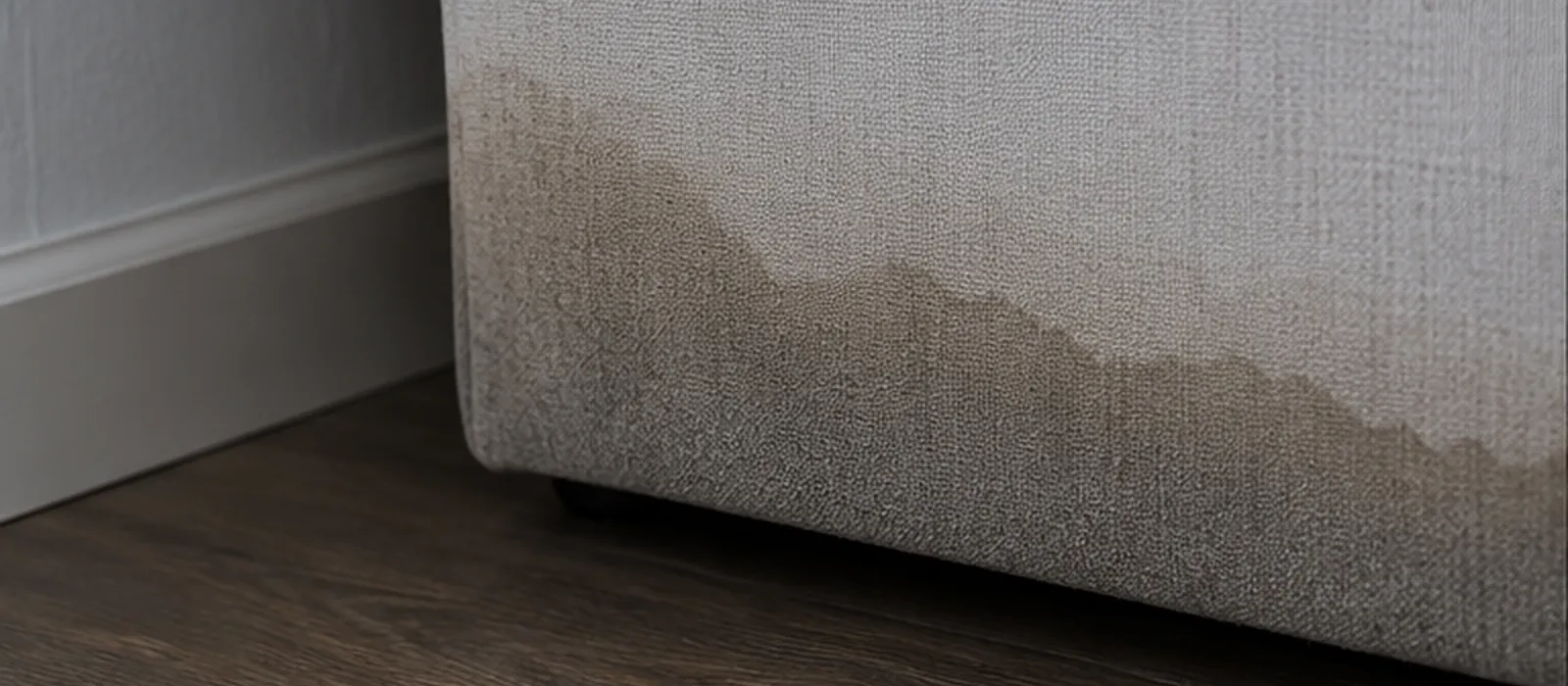
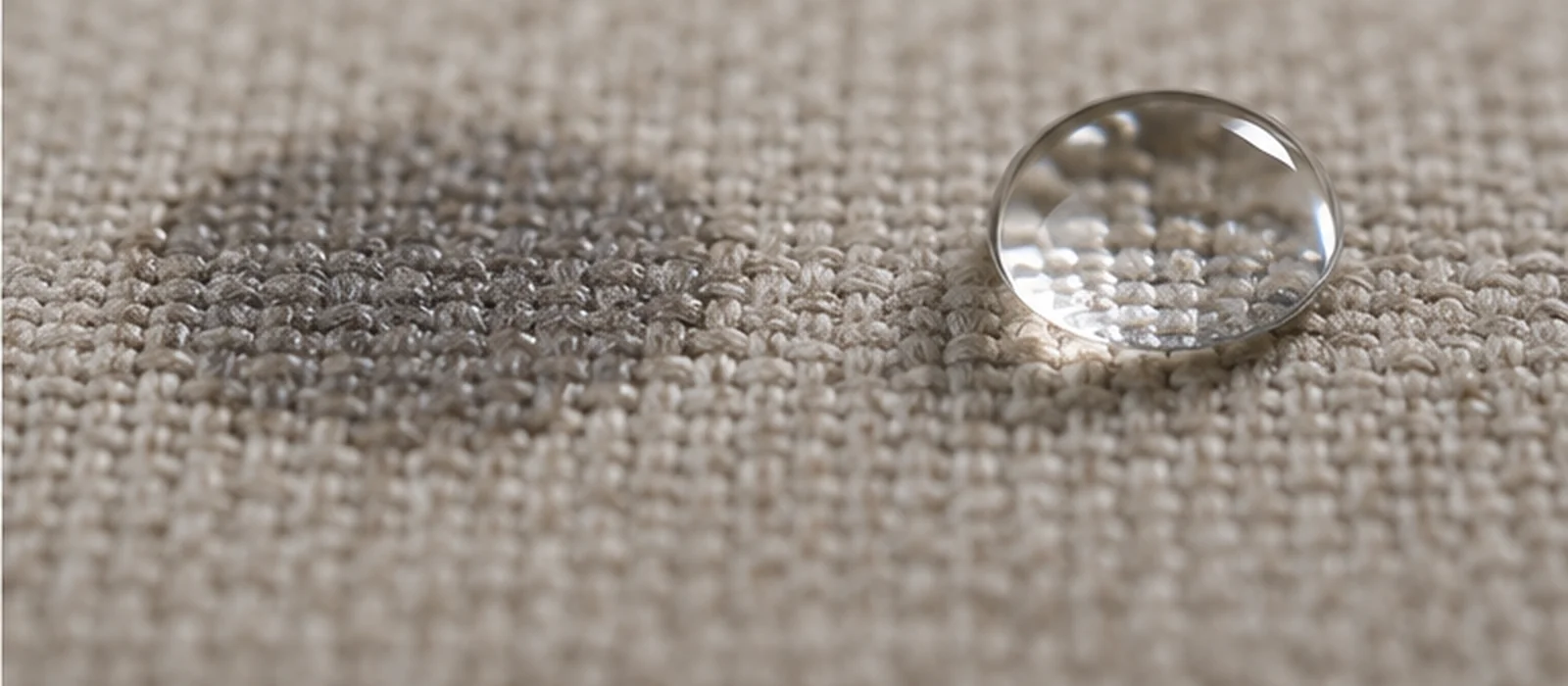
- Wicking. More moisture means more dissolved material carried back to the visible surface as the item dries, so spots reappear.
- Prolonged drying. Which extends the window during which both of the above occur.
- Microbial growth. Damp foam, backing and underlay are a favourable environment for mould and mildew, producing sour odour days after the clean.
- Structural damage. In upholstery, water reaching foam and timber frame stays there — there is no way to dry the inside of a sofa deliberately.
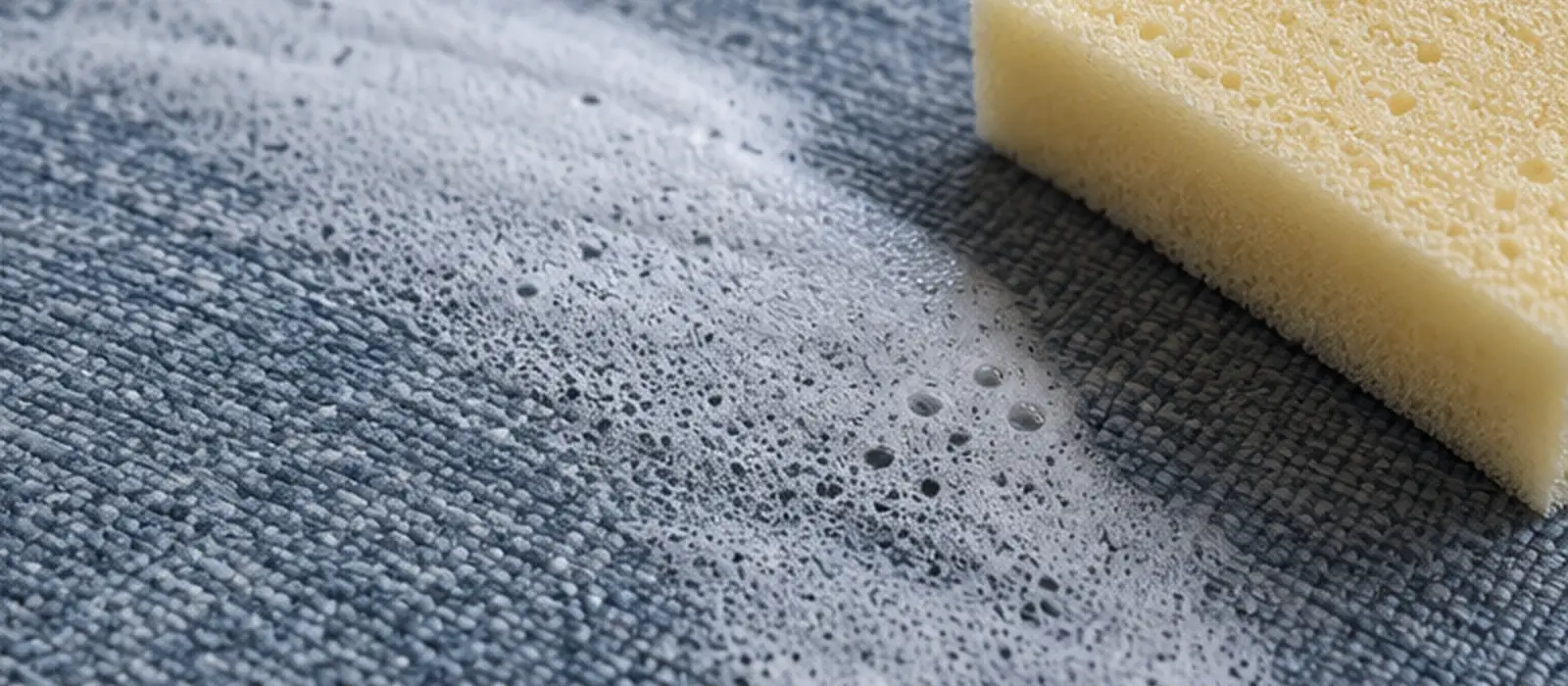
The counter-intuitive rule that follows: on a marginal fabric, a wetter clean is a worse clean. Several light applications with blotting between them remove more soil and leave less moisture than one saturating pass.
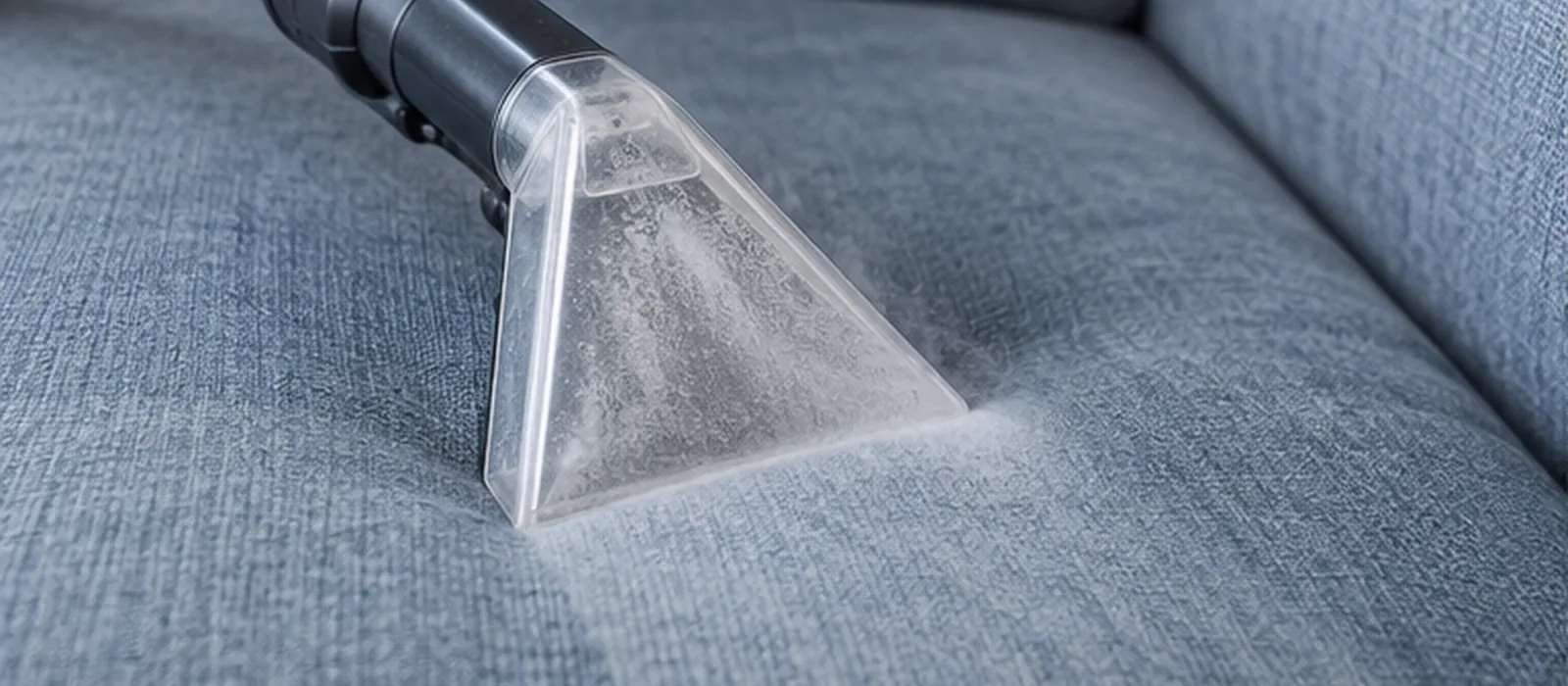
Over-wetting is the characteristic failure of hired and consumer machines, because the injection side of the process is easy and the recovery side is where equipment capability is needed.
The controls are: dry vacuum thoroughly first, use the minimum solution that works, make additional dry extraction passes with no solution flowing, and establish airflow immediately.