Hot-water extraction
Also called: HWE, steam cleaning
Injection of heated cleaning solution into a textile followed by immediate vacuum recovery. The deepest common method, and the one that puts the most water into the item.
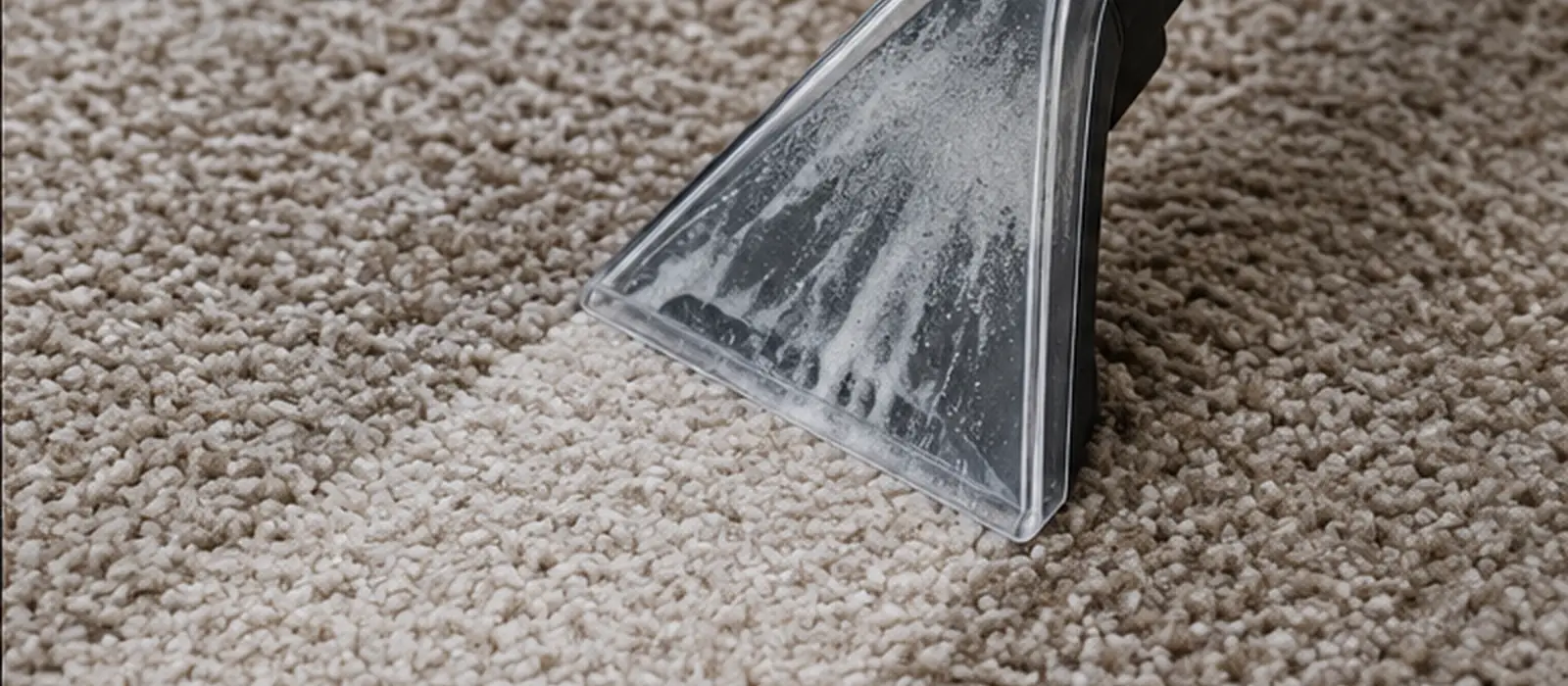
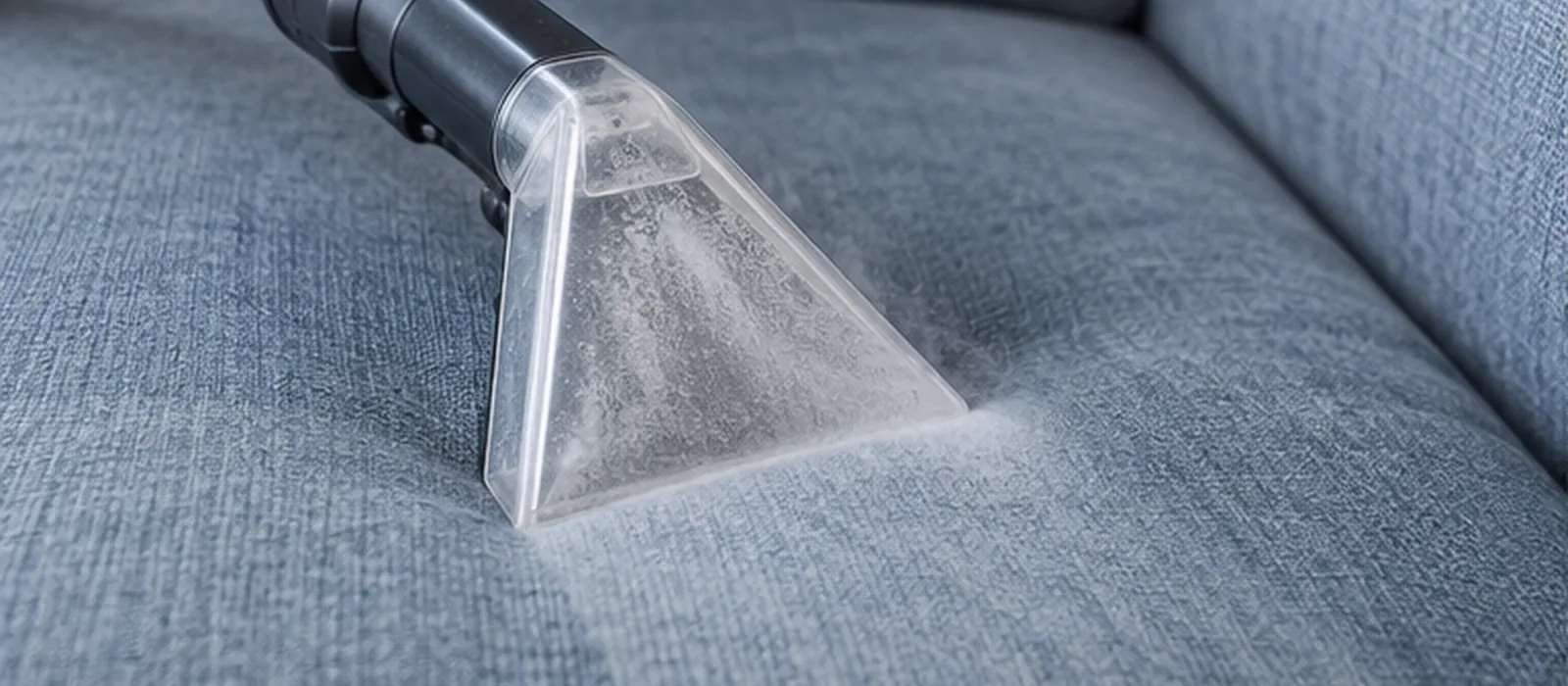
Hot-water extraction applies a cleaning solution to the fibres, allows it to dwell, then injects heated water under pressure and immediately recovers it — with the suspended soil — through a vacuum slot behind the jets.
It is commonly called steam cleaning, which is inaccurate: the medium is hot water, not steam.
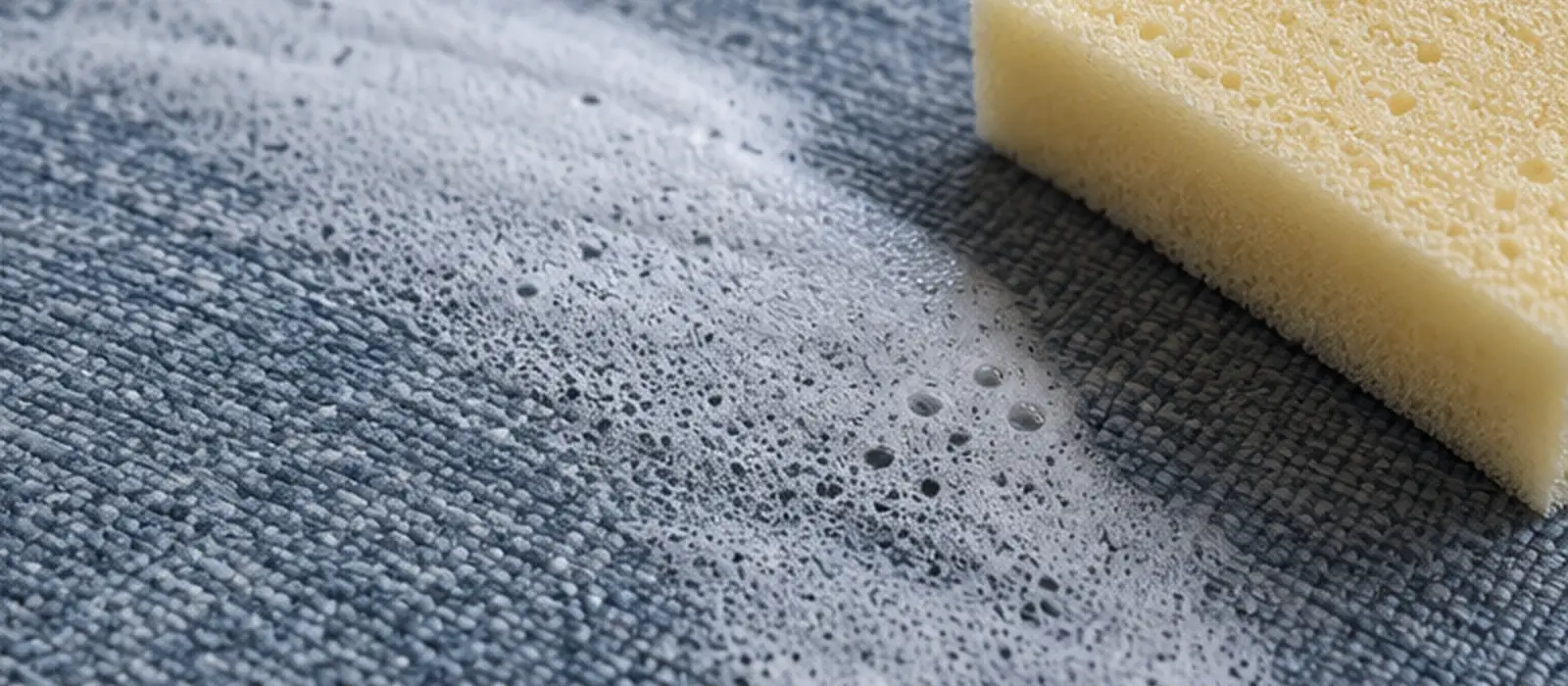
Four actions combine: chemical (the solution), mechanical (agitation, traditionally a hand brush on upholstery), thermal (heat, which raises reaction rate — the trade rule of thumb is that cleaning activity roughly doubles for each 18 °F increase), and extraction (recovery, which is what distinguishes the method from washing).
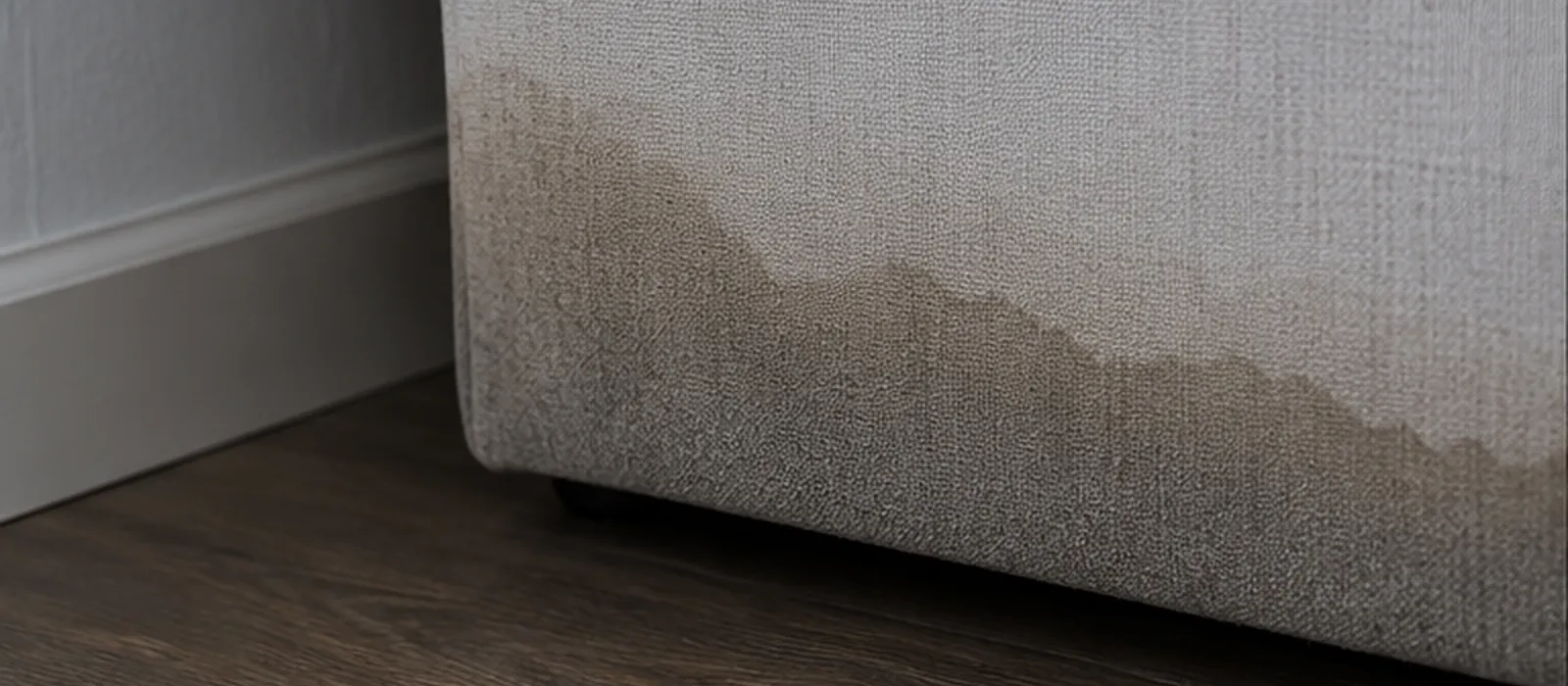
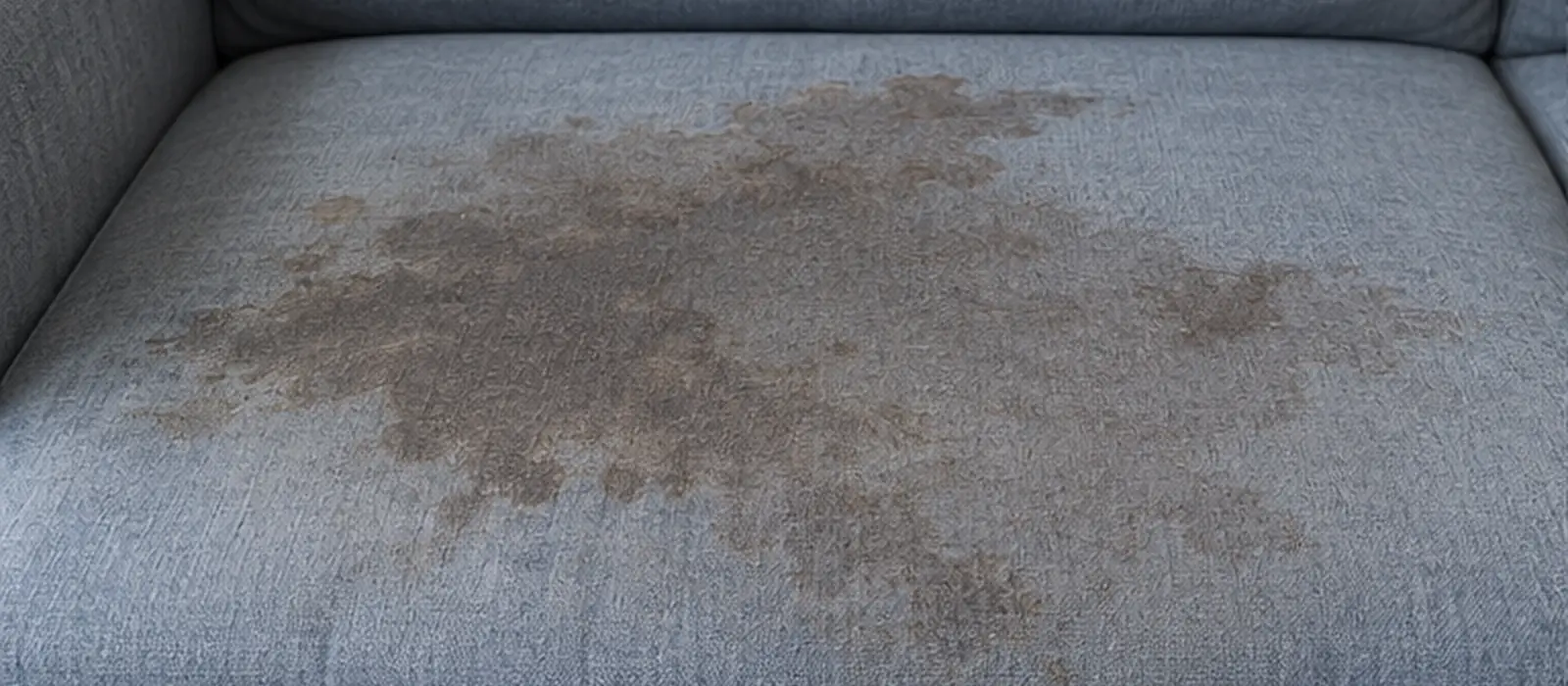
It is the deepest of the common methods and the most widely used professionally. Its cost is moisture: carpets commonly need eight to ten hours or more to dry, and upholstery holds water in foam and frame where no vacuum reaches. That residual moisture is the origin of browning, wicking and musty odour.
The same equipment is used after burst pipes, radiator leaks and flooding — there the job is water removal against the clock rather than cleaning.
Under-extraction is the defining weakness of hired and consumer machines: the injection side is easy, the recovery side is where capability is needed.