Dwell time
Also called: dwell, contact time
The period a cleaning product is left in contact with soil before removal. Part of the treatment rather than a delay before it, and part of any valid colourfastness test.
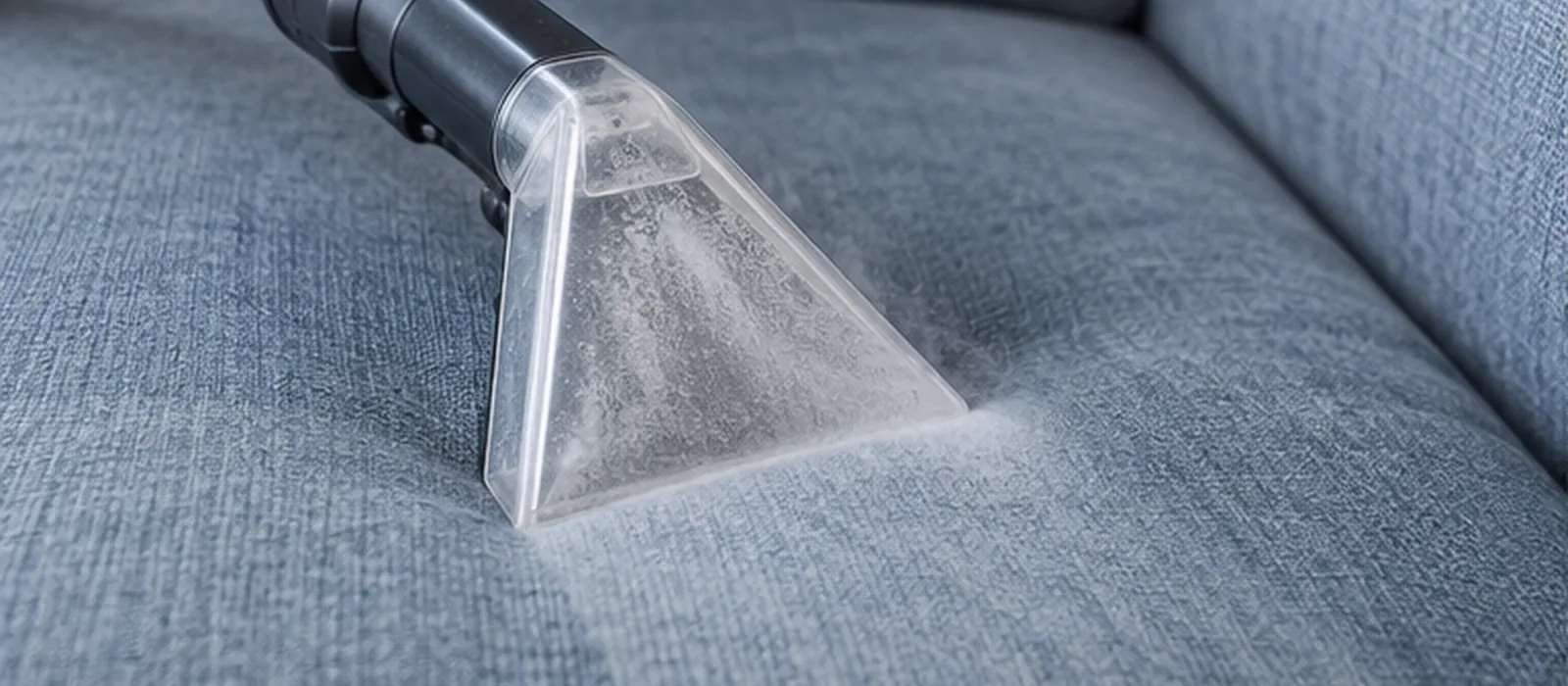
Dwell time is the interval during which a cleaning product is left in contact with the soil before it is extracted, blotted or vacuumed away.
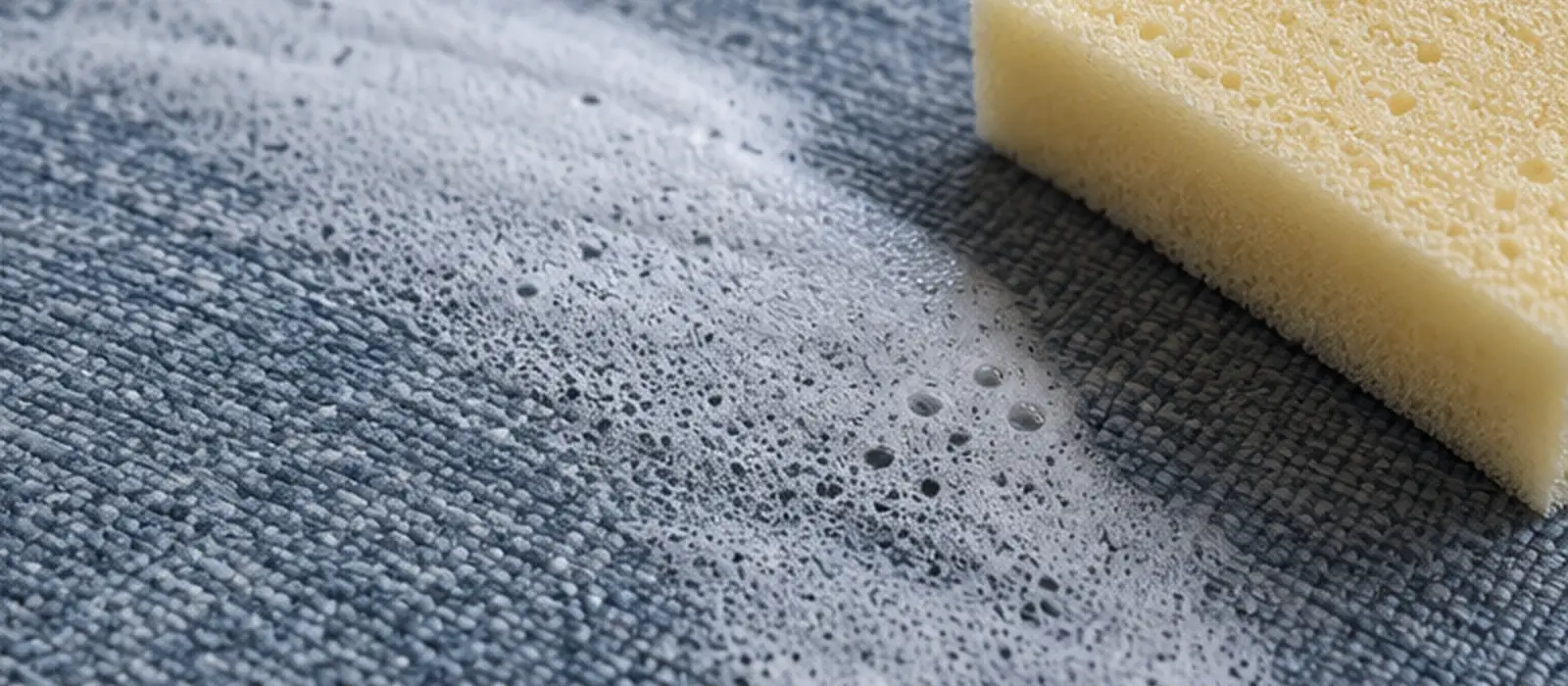
It is working time, not waiting time. Surfactants need it to surround and lift soil; enzymes need it to digest their substrate; encapsulation polymers need it to crystallise. Removing a product early removes soil that is still attached to the fibre, which is why an impatient clean underperforms a patient one using the same chemistry.
The limits run in both directions:
- Too short and the chemistry has not acted. The visible result is a clean that looks adequate while damp and disappointing once dry.
- Too long and the product dries in place, leaving residue that attracts new soil — and, on cellulosic fabrics, a prolonged period of alkaline contact, which is one of the conditions that produces browning.
Typical figures vary by system. Encapsulation is commonly allowed ten to fifteen minutes to dry and crystallise before vacuuming. Preprays before extraction dwell for a shorter period, long enough to act but not to dry.
Dwell time is also part of colourfastness testing. A test that lets a product sit for three seconds has not tested a treatment that will leave it for five minutes.