Cellulosic browning
Also called: browning, yellowing
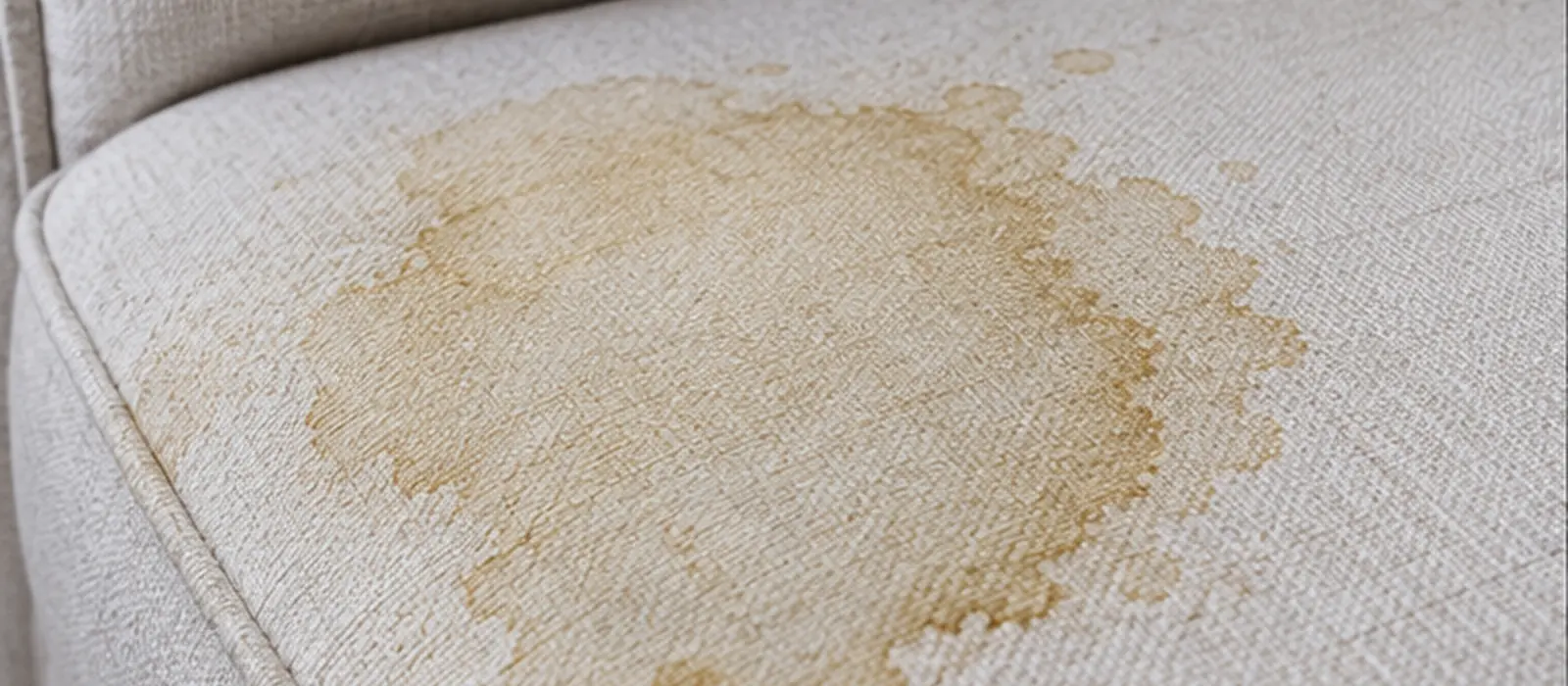
Yellow-brown discolouration appearing after cleaning, caused by lignin dissolving out of cellulosic fibres and wicking to the surface as the item dries.
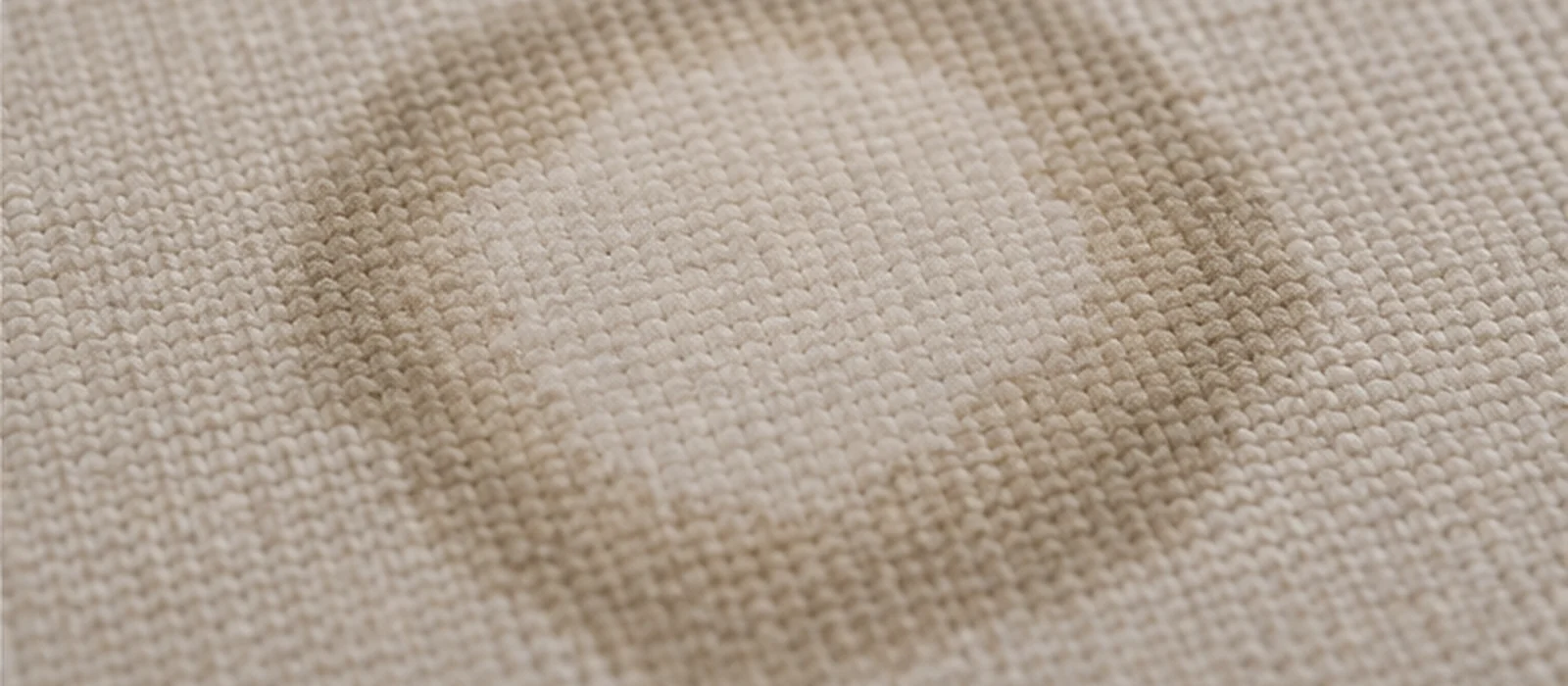
Cellulosic browning is a yellow-brown discolouration that appears after cleaning, typically a day or two later, on fabrics containing cellulosic fibre.
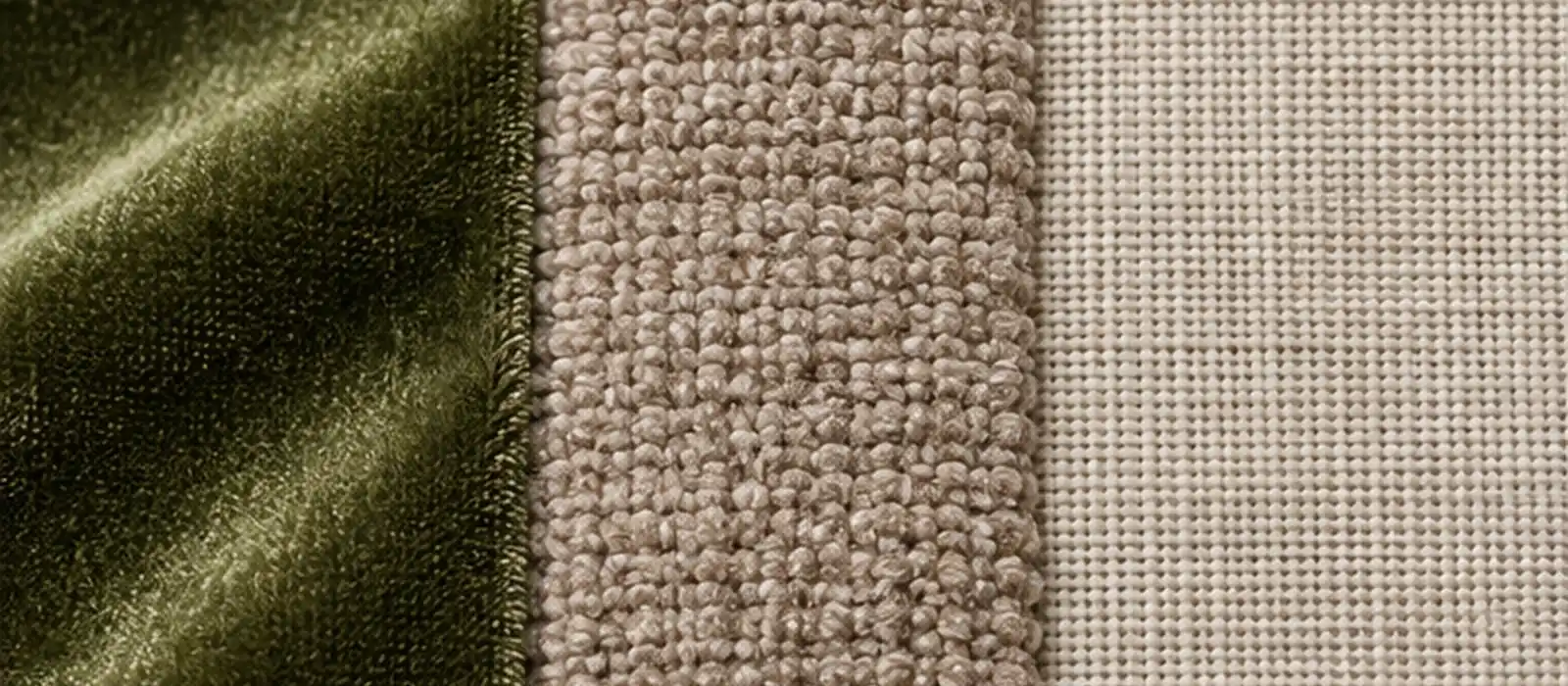
The mechanism is lignin, a naturally occurring gum present in cotton, linen, jute and other plant-derived fibres. Normally it is locked in place and invisible. Dissolved — particularly by an alkaline cleaning solution — it wicks to the face of the fibre by capillary action and deposits there as the item dries. The colour was always in the fabric; the cleaning brought it to the surface.
Four conditions contribute:
- Cellulosic material present. Often a jute backing, so browning can reach the face from a layer the cleaner never touched.
- Over-wetting.
- Slow drying.
- High or buffered alkaline pH.
Only the first is fixed. The other three are choices, which makes browning a process fault rather than bad luck.
Prevention, as published: leave the fabric as dry as possible, use additional dry vacuum strokes to pull out excess moisture, use a neutral or acidic prespray rather than a strongly alkaline one, rinse with an acid rinse, and dry quickly.
Unlike most permanent-looking damage, browning is treatable — purpose-made browning treatments work by acidifying and reducing the deposited material. What does not work is re-cleaning the same way, which simply reproduces the conditions that caused it.