Wool upholstery, and why bleach is never an option
Wool resists soiling better than almost anything else, and it is destroyed by the products people reach for in a hurry. What the fibre tolerates, and what it does not.
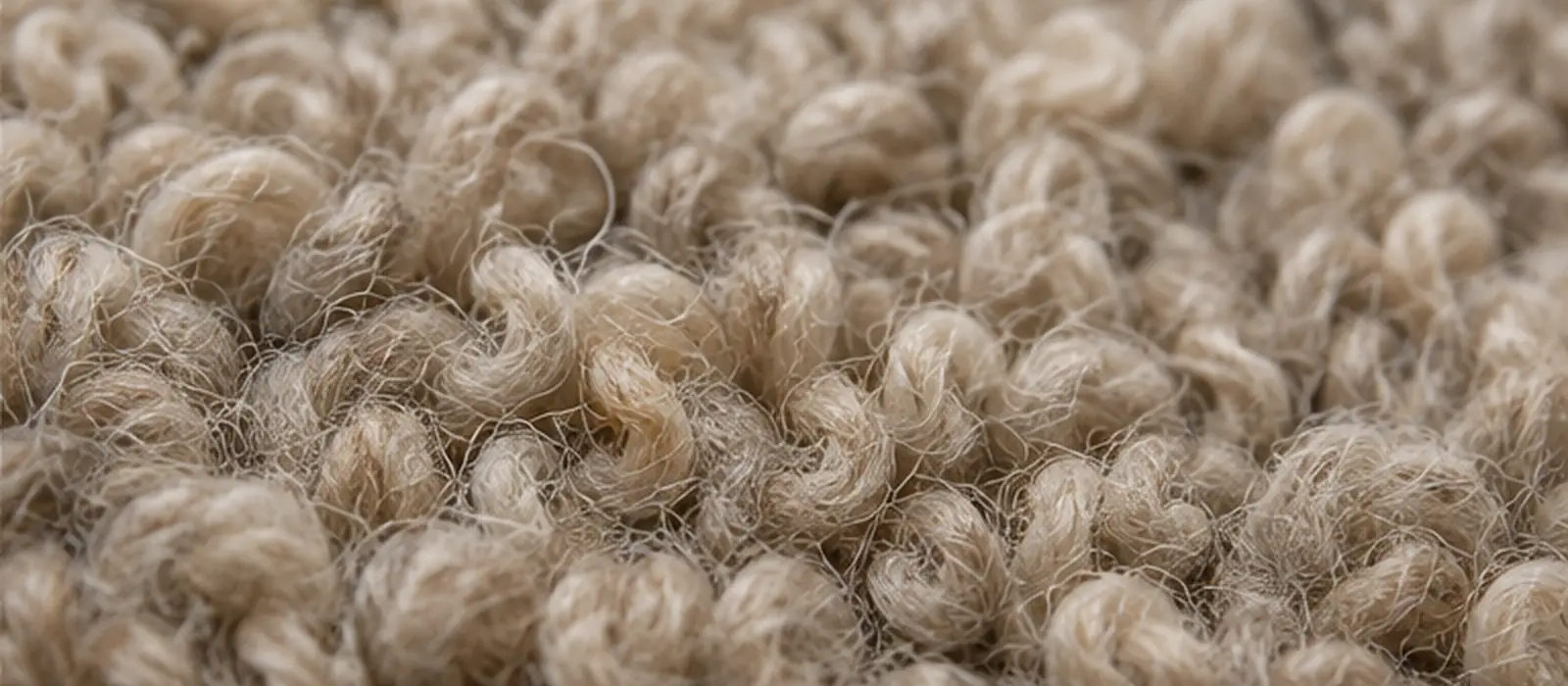
Wool is the best-behaved upholstery fibre in normal use and among the least forgiving under careless treatment. Both facts come from the same structure.
Why wool stays clean
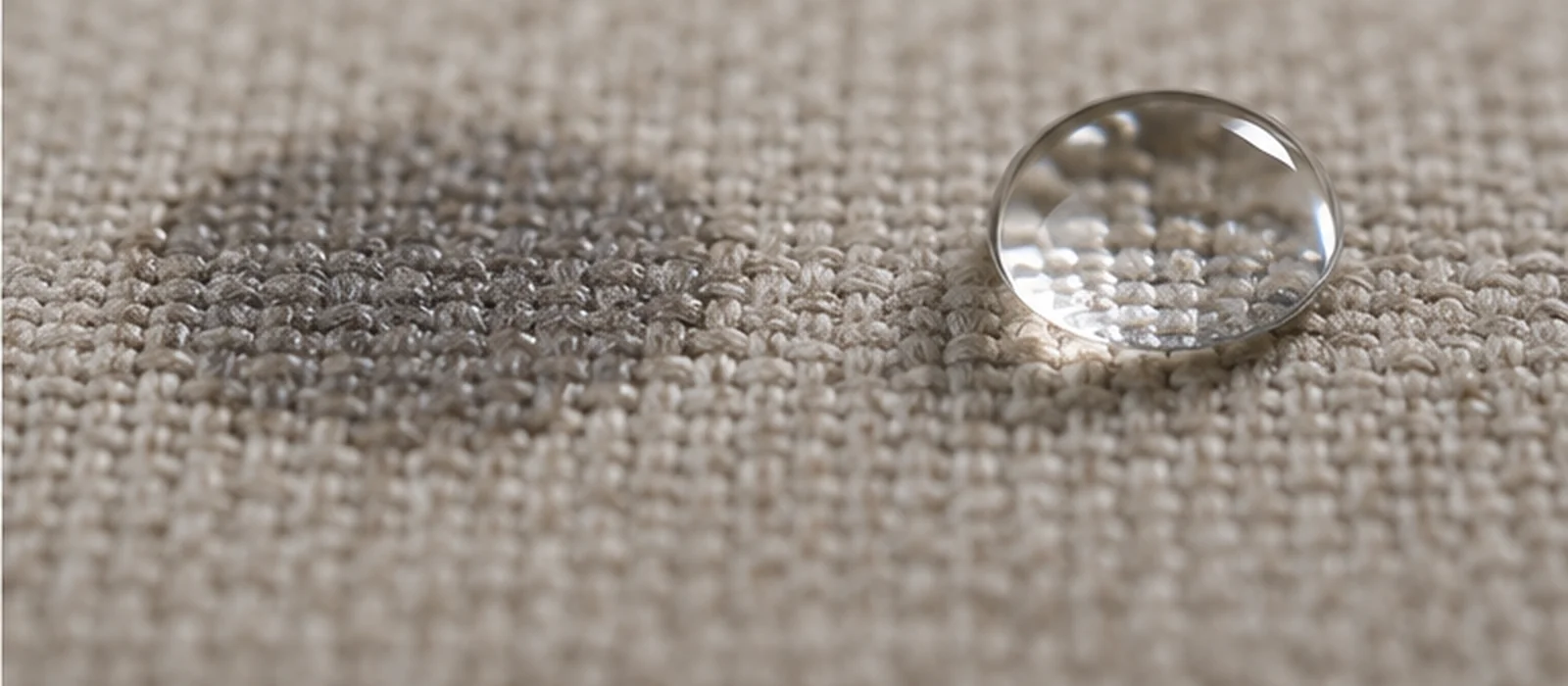
The wool fibre is covered by a scaled outer cuticle and epicuticle. That surface sheds liquid while still allowing moisture vapour through, so a spill sits on the surface for a period rather than being drawn straight into the fibre core. Staining is largely prevented if a spill is lifted promptly.
Wool is also naturally soil-resistant, odour-resistant and crease-resistant, which is why wool furnishings need less intervention than the equivalent in cotton. In practice the fibre gives you a window, and most wool upholstery damage happens because that window was used to fetch the wrong product rather than a cloth.
Blotting is the whole technique
The published guidance on treating spills on wool is consistent and short:
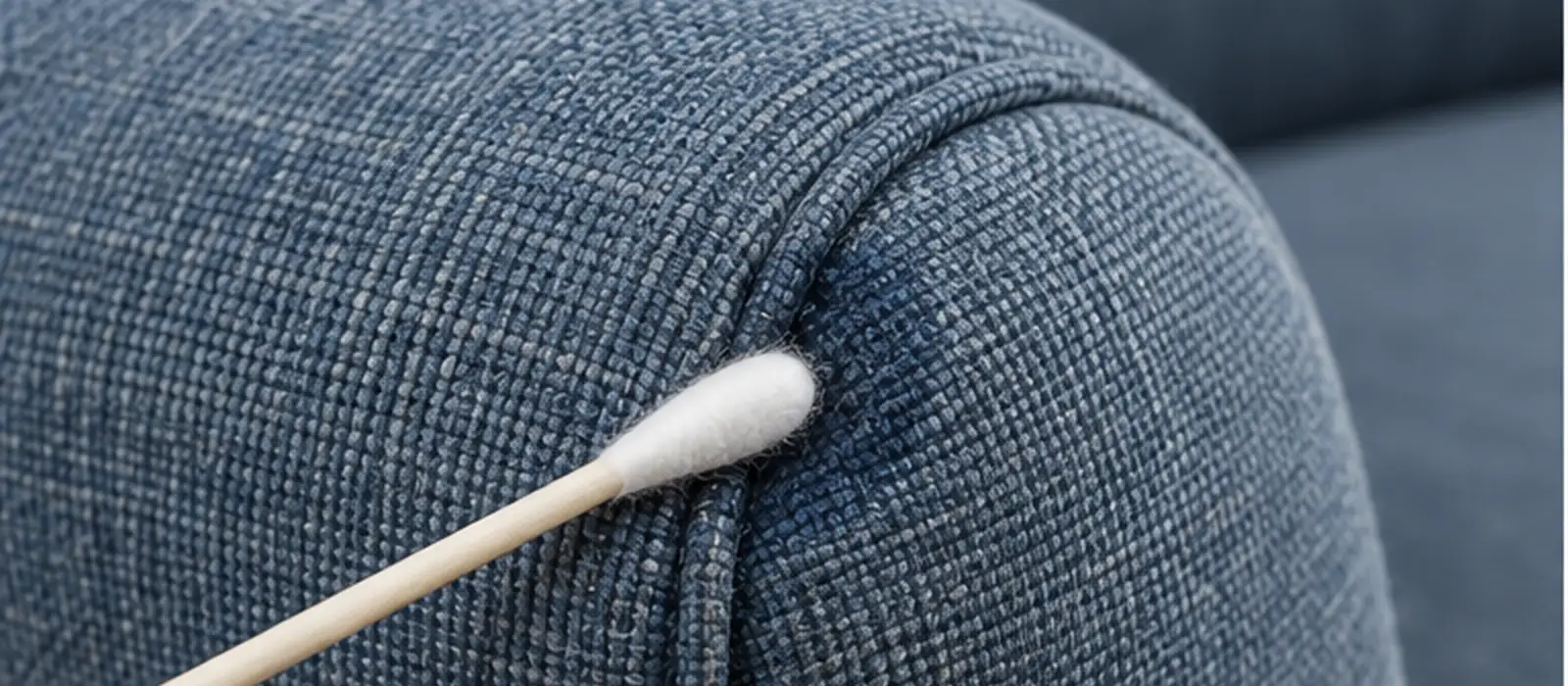
- mop excess liquid with white absorbent tissue or a clean cloth
- scoop solids with a spoon rather than pressing them in
- work inwards from the edge of the mark, so it does not spread outward
- use small amounts of cleaning liquid at a time, blotting between applications
Working from the edge inwards is the detail people get backwards. Starting in the middle and rubbing outward makes a small defined mark into a large diffuse one, and a diffuse mark on a seat panel is much harder to resolve than a concentrated one.
Bleach: not chlorine, not oxygen, not ever
This is the single hardest rule in wool care, and it is worth stating without hedging: never use bleach on wool — neither chlorine nor oxygen based.
The reason is that wool is a protein. Bleach attacks the protein structure itself, so the damage is not a colour change that might be corrected but destruction of the fibre. The result is yellowing, harshness and loss of strength, and there is no remedy.
The same reasoning extends further than most people expect:
Avoid biological detergents. “Bio” products contain protease enzymes, which exist to digest protein soils. Wool is a protein soil as far as the enzyme is concerned. An enzyme product left to dwell on wool digests the fibre.
Avoid heavy-duty detergents and anything containing bleach as a component, which includes a good many general-purpose household sprays.
Avoid high alkalinity. Wool prefers neutral to slightly acidic conditions. Strongly alkaline products swell and damage the fibre and dull the colour.
This rules out most of the cupboard: household bleach, oxygen stain removers, biological laundry liquid, and the majority of multi-surface sprays.
Heat, agitation and felting
Wool’s scales interlock irreversibly under the combination of moisture, heat and mechanical action. That is felting, and it is what happens to a jumper in a hot wash.
On upholstery the same mechanism appears as a hardened, matted, slightly shrunken patch where someone scrubbed a wet mark vigorously. Blot; do not scrub. Keep the water cool. Keep the mechanical action to the minimum that lifts the soil.
Products formulated for the fibre
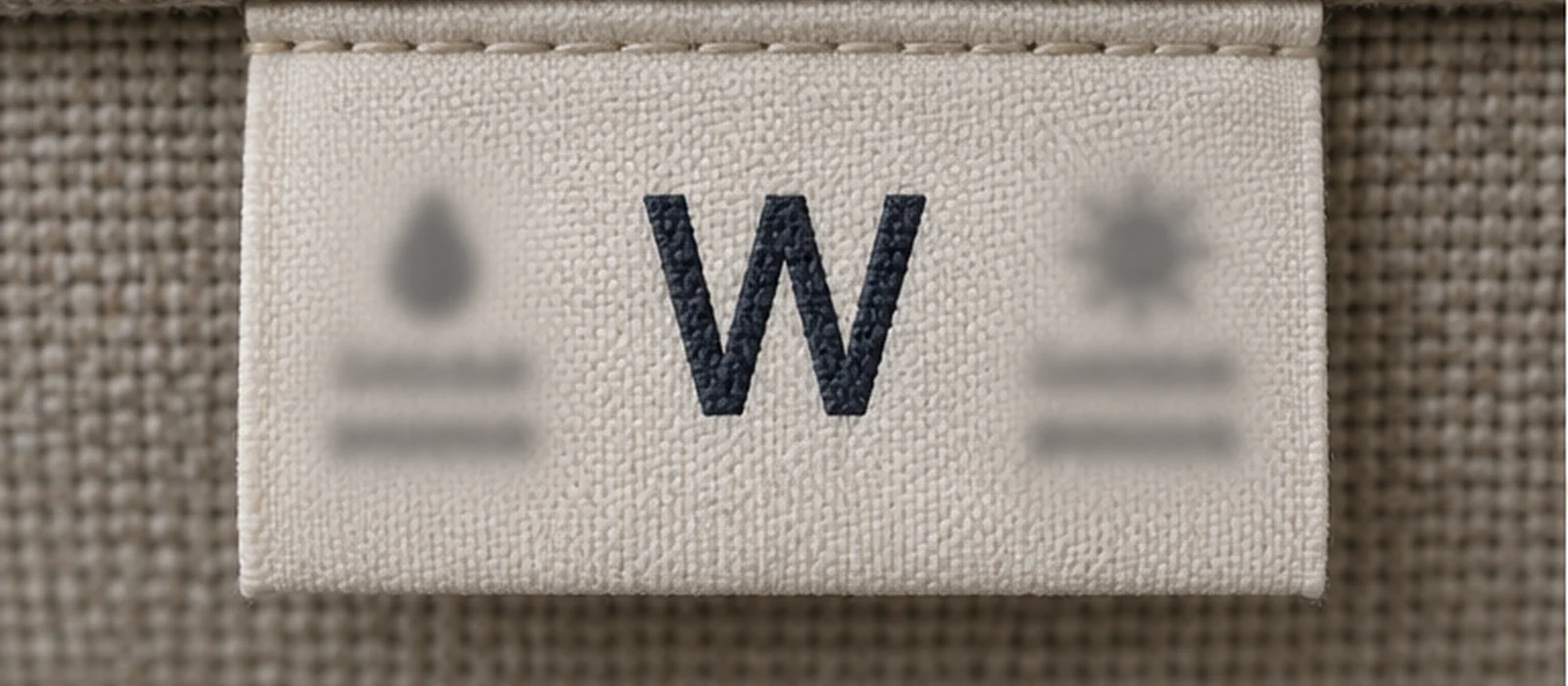
Because so many general-purpose products are actively wrong for wool, a certification scheme exists specifically to identify those that are not. The WoolSafe mark, established in 1991, covers shampoos and spray-extraction and bonnet chemicals for carpets and upholstery; products meeting the requirements are certified and re-evaluated annually.
For a householder the value is simply that it removes a guess. A product carrying the mark has been assessed against the fibre rather than assumed to be safe because it is gentle on hands.
The upshot
Wool needs less cleaning than most fibres and tolerates fewer products. Prompt blotting with water and a neutral, wool-appropriate product handles most domestic incidents. Reaching past that — for bleach, for a biological product, for hot water and pressure — is where wool upholstery is lost.