When a professional is needed, and when one is not
A plain division between what a household can reasonably handle and what it cannot, plus what a competent professional actually does that a hired machine does not.
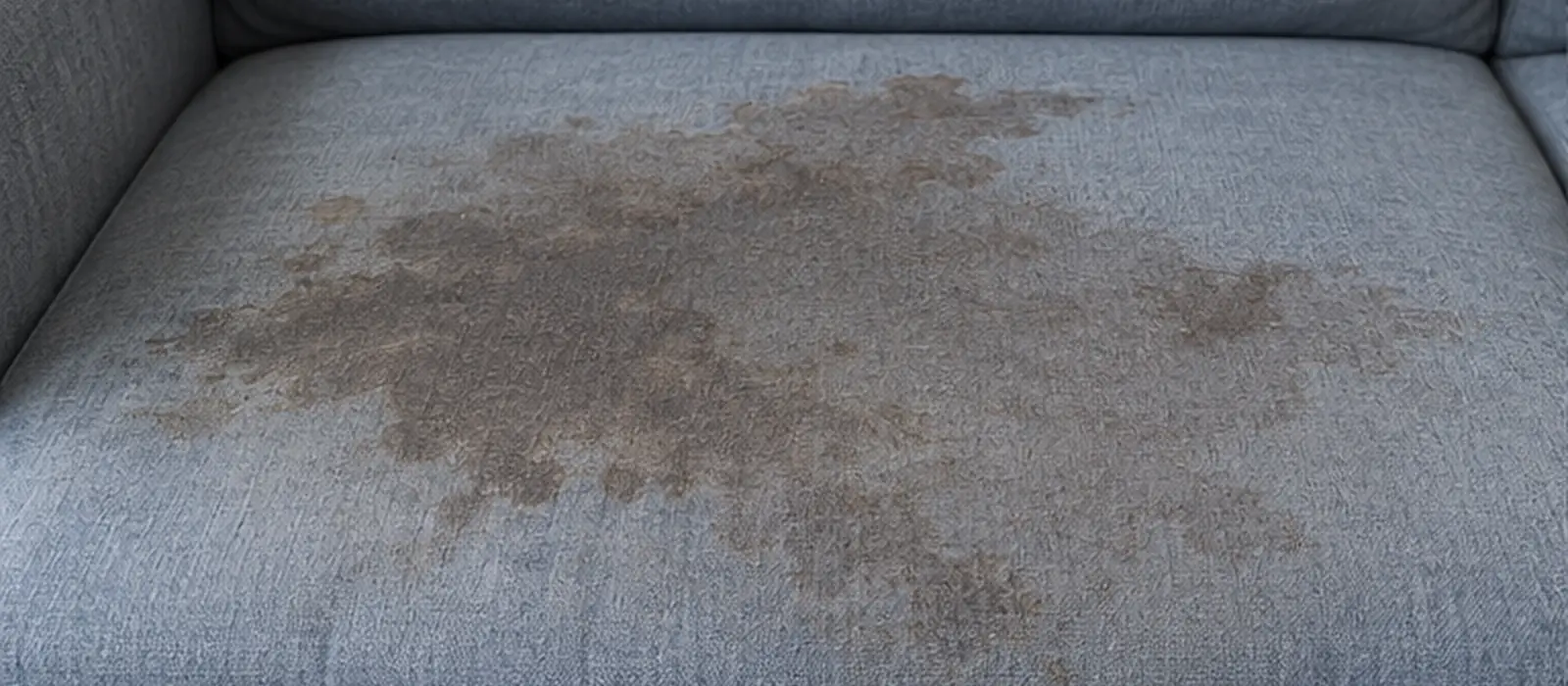
Plenty of cleaning advice resolves into “call a professional”, which is unhelpful when it covers everything. This page tries to draw the line in a specific place.
What a household can reasonably handle
- Routine vacuuming and pile grooming. Always. This is the highest-value maintenance there is and it carries no risk.
- Prompt blotting of fresh spills. The single most effective intervention available, and it needs no products at all.
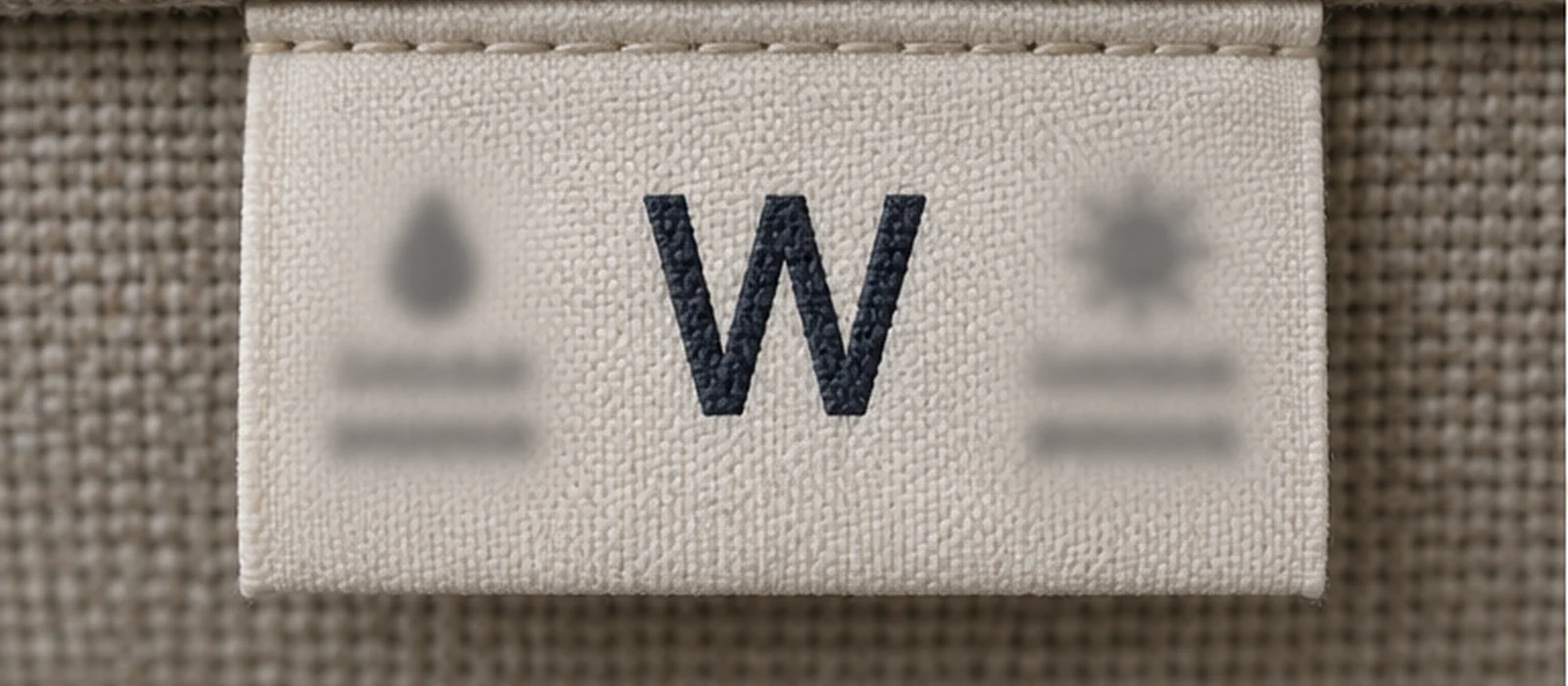
- Small spots on W or WS coded, identified, colourfast fabric, with a product matched to the stain group, tested first, applied lightly, blotted, and dried quickly.
- Maintenance cleaning of durable synthetic carpet with a hired machine, using minimal detergent and generous dry extraction passes.
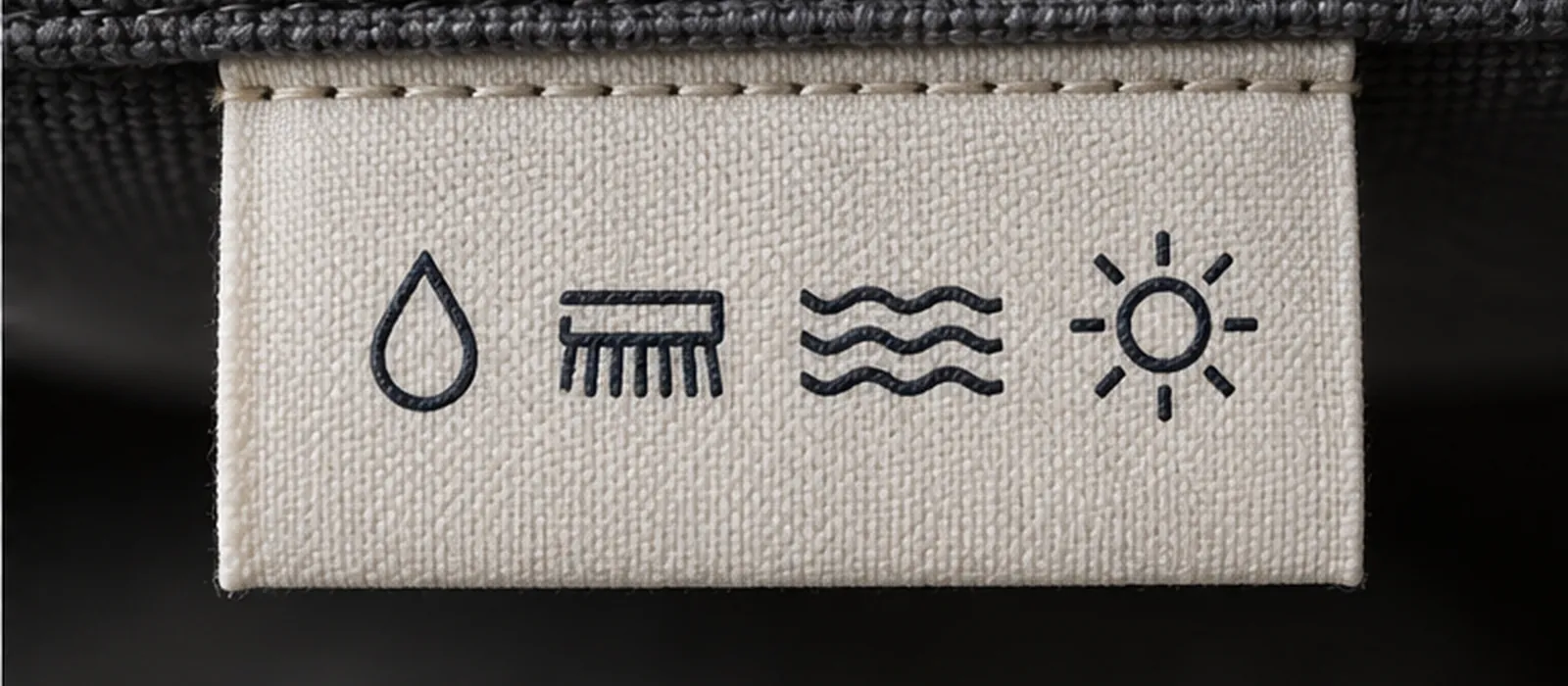
- Washing loose covers where the care label expressly permits it — at the stated temperature, reshaped while damp, and accepting that some shrinkage is normal.
What should not be attempted at home
- Anything coded S or X. The prohibition is the point of the code.
- Any fabric that fails a colourfastness test. Dye migration has no repair.
- Velvet, chenille and other pile fabrics, wet. The damage is mechanical and permanent.
- Aniline leather. It absorbs instantly and household products strip the finish.
- Silk, and antique or valuable textiles. No margin, and no second attempt.
- Rugs of value. These need controlled off-site cleaning.
- Dye stains, and unidentified chemical spills. The chemistry that removes them removes the fabric’s colour too.
- Anything that has soaked through into the filling, and anything involving mould inside the piece.
- A whole suite that has never been cleaned in fifteen years. Not because it is delicate, but because the moisture and chemistry required are beyond domestic control.
What a competent professional actually brings
Not, mostly, a bigger machine — though the extraction capability is genuinely different.
Identification. Fibre, construction and style identification is the opening section of the professional upholstery standard, ahead of methods and equipment. Knowing what the item is, including what the backing and filling are, is the step that determines everything after it.
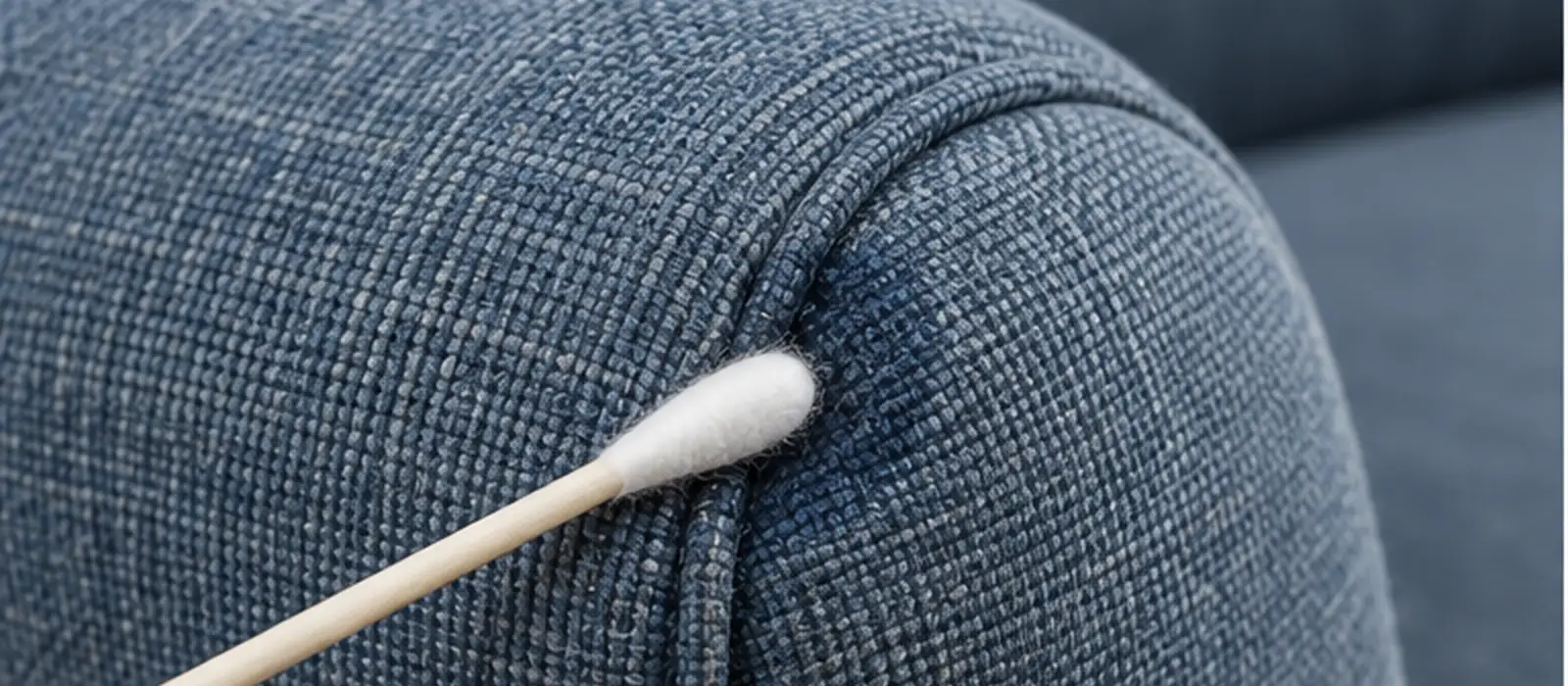
Pre-cleaning inspection. Documenting existing damage, testing colourfastness on each colour, finding the pre-existing wear that will become visible once soil is removed. This protects the customer as much as the cleaner.
Multiple chemistries, and the judgement to choose. Acid and alkaline products, solvent and aqueous systems, enzyme products, specialist spotters — and the ability to switch when the first approach is wrong. That flexibility is what handles the awkward cases, like a tannin spill on a solvent-only fabric.
Moisture control. Enough extraction to leave the item nearly dry, plus air movement to finish it. Under-extraction is the defining weakness of domestic equipment, and it causes most of the damage attributed to wet cleaning.
Knowing when to decline. A cleaner who tells you a piece cannot safely be wet cleaned, or is not worth saving, is giving you the most valuable thing on this list.
Choosing one
The trade is not statutorily licensed in the UK, so credentials do some work.
The National Carpet Cleaners Association, founded in 1968, is the UK trade body covering carpets, hard flooring, upholstery, curtains and other soft furnishings. Members complete the NCCA course or an equivalent, pass written assessment, hold insurance, and work to a code of practice. Members are trained to test fabrics and select products and technique accordingly.
WoolSafe certification indicates products and cleaners assessed specifically against wool, which matters because wool is the fibre where the wrong product does irreversible damage.
The professional standard for the work itself is ANSI/IICRC S300, currently in its 2025 second edition, which sets out fibre and construction identification, cleaning principles, equipment, pre- and post-cleaning inspection, and methods and systems.
Beyond credentials, the useful signal is diagnostic: someone who asks what the fabric is, looks for the label, tests before starting, and tells you what they cannot do is working from the same logic as this entire site. Someone who quotes a method before looking at the item is not.
The underlying test
The question is not how bad the mark is. It is how much the item can lose.
Where a failed attempt costs a slightly-less-clean patch, attempt it. Where a failed attempt costs the sofa, do not — and note that the distinction is decided by the fabric, not by how careful you intend to be.