Water or solvent: what the code is actually deciding
Why a single letter separates two incompatible chemistries, what each one dissolves, and the specific damage that follows from using the wrong one.
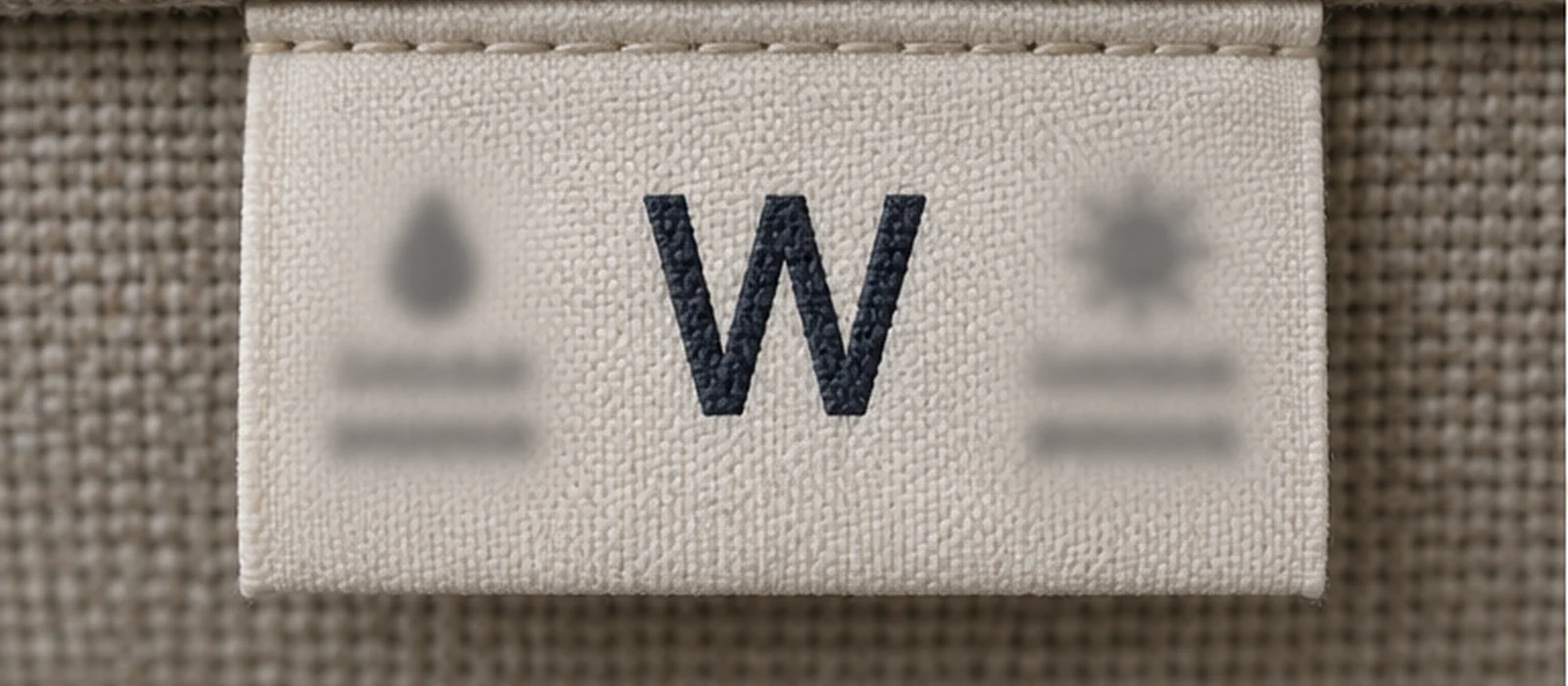
“Water or solvent” sounds like a preference. It is not. The two are different chemistries that dissolve different things and damage different fabrics, and the code exists because a fabric that tolerates one may be destroyed by the other.
What each one actually dissolves
The governing principle is that like dissolves like. Water is a polar solvent, so it takes up polar soils: sugars, salts, most food residues, water-soluble dyes, sweat, and the general grey film that settles out of household air. Dry-cleaning solvents are non-polar, so they take up non-polar soils: oils, greases, waxes, tar and body oils.
This is why neither is universally better. A greasy head-rest mark on the top of a sofa back is barely touched by water and lifts readily in solvent. A spilt cup of tea is the reverse. Pretending one product handles everything is the root of a lot of domestic damage.
pH is the second axis. Alkaline products work on grease and protein soils; acidic products work on mineral deposits and tannin marks. Using the wrong pH does not simply fail — it can set the stain, or attack the fibre.
Why water is the dangerous option on an S fabric
An S code is usually there for one of three reasons, and each produces a different failure.
Shrinkage. Many S-coded fabrics contain rayon, viscose or another regenerated cellulosic. These fibres lose a large fraction of their strength when wet and shrink irreversibly. A cover that fitted before cleaning will not fit afterwards.
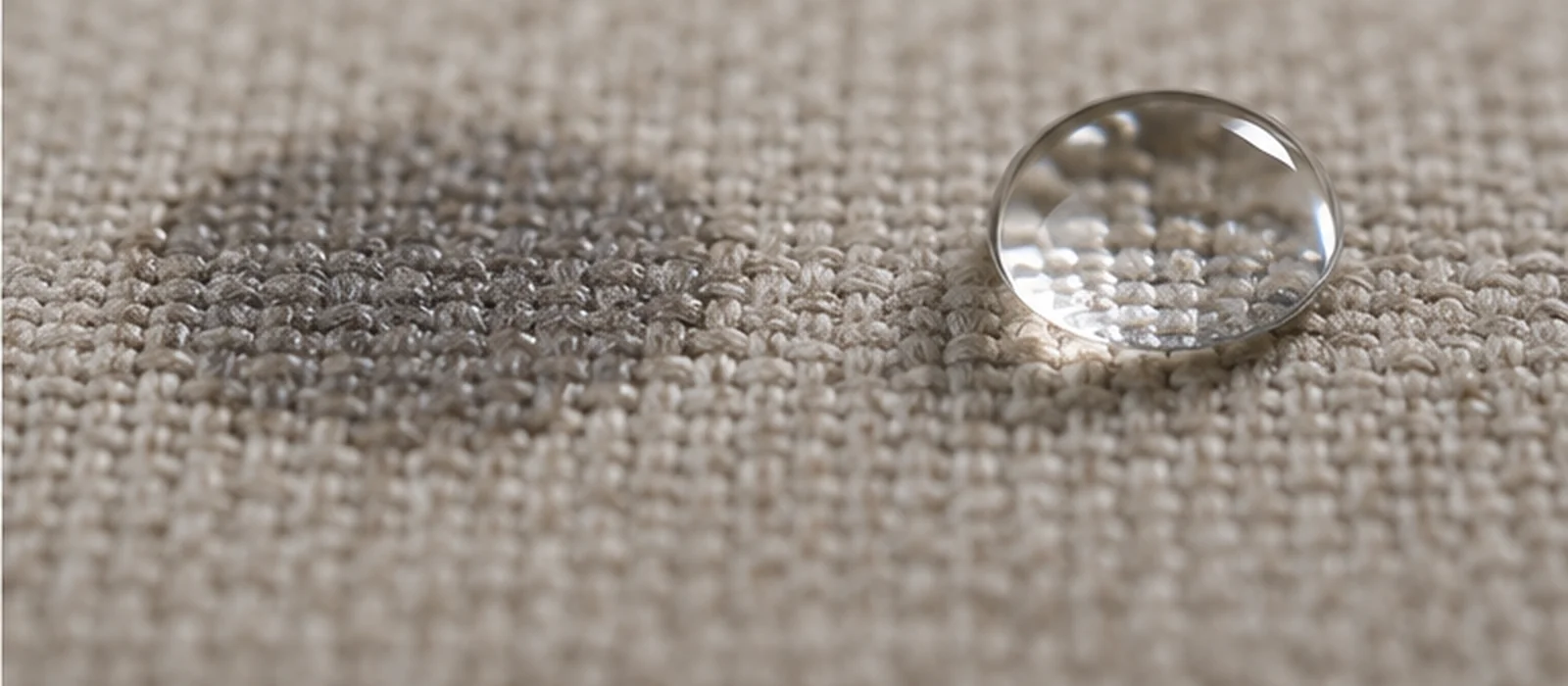
Water rings. When a damp area dries, dissolved material migrates outward with the moisture and deposits at the edge of the wetted zone. The result is a hard-edged ring that is far more visible than the original mark. The ring is not dirt; it is redeposited soil and dissolved finish sitting where the water stopped.
Browning. Cellulosic fibres — cotton, linen, jute — contain lignin. Wet the fabric heavily, especially with an alkaline product, and dissolved lignin travels to the face of the fibre as the piece dries and shows as a yellow-brown discolouration. Slow drying makes it worse, because it gives the migration more time.
All three are moisture-driven, and all three are made worse by using more water rather than less. This is the single most counter-intuitive fact in fabric care: on a marginal fabric, a wetter clean is a worse clean.
Why solvent is not a universal safe option
Solvent has its own limits. It does very little to water-soluble soils, so a solvent-only approach on a tea or juice mark simply spreads it. It can attack certain finishes, adhesives and foam backings, which is why solvent on an X-coded fabric is not permitted either. And solvent products carry ventilation and flammability requirements that a home user is far less equipped to manage than a professional is.
The practical shape of the rule
The code tells you which chemistry the fibre survives. The soil tells you which chemistry will actually work. When those two disagree — a greasy mark on a W-only fabric, a tea spill on an S-only fabric — you have reached the limit of what a domestic attempt should try, and the honest answer is that the piece needs someone with both chemistries and the training to switch between them safely.