Velvet, chenille and linen: three fabrics with three separate problems
Pile fabrics fail mechanically rather than chemically, and linen fails by browning and shrinking. Why these three need different handling from a flat synthetic weave.
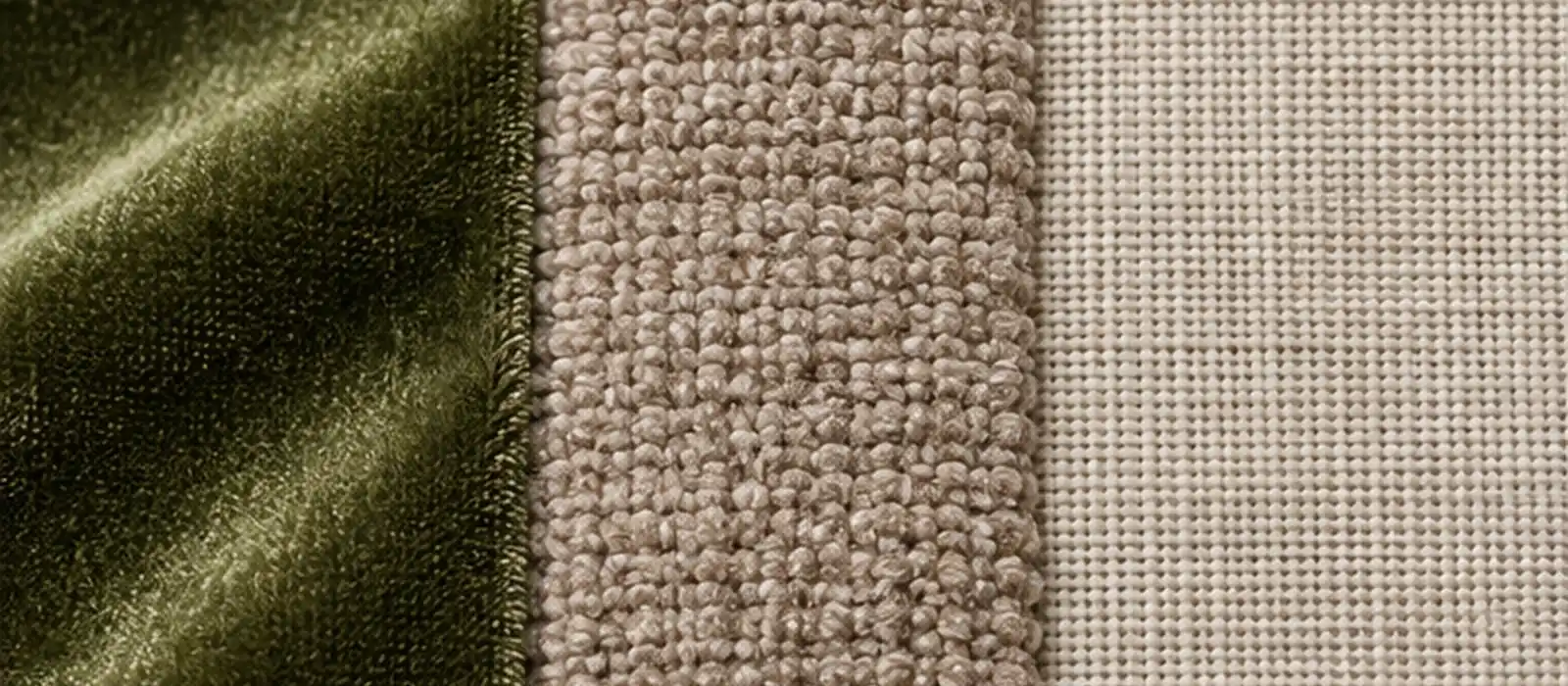
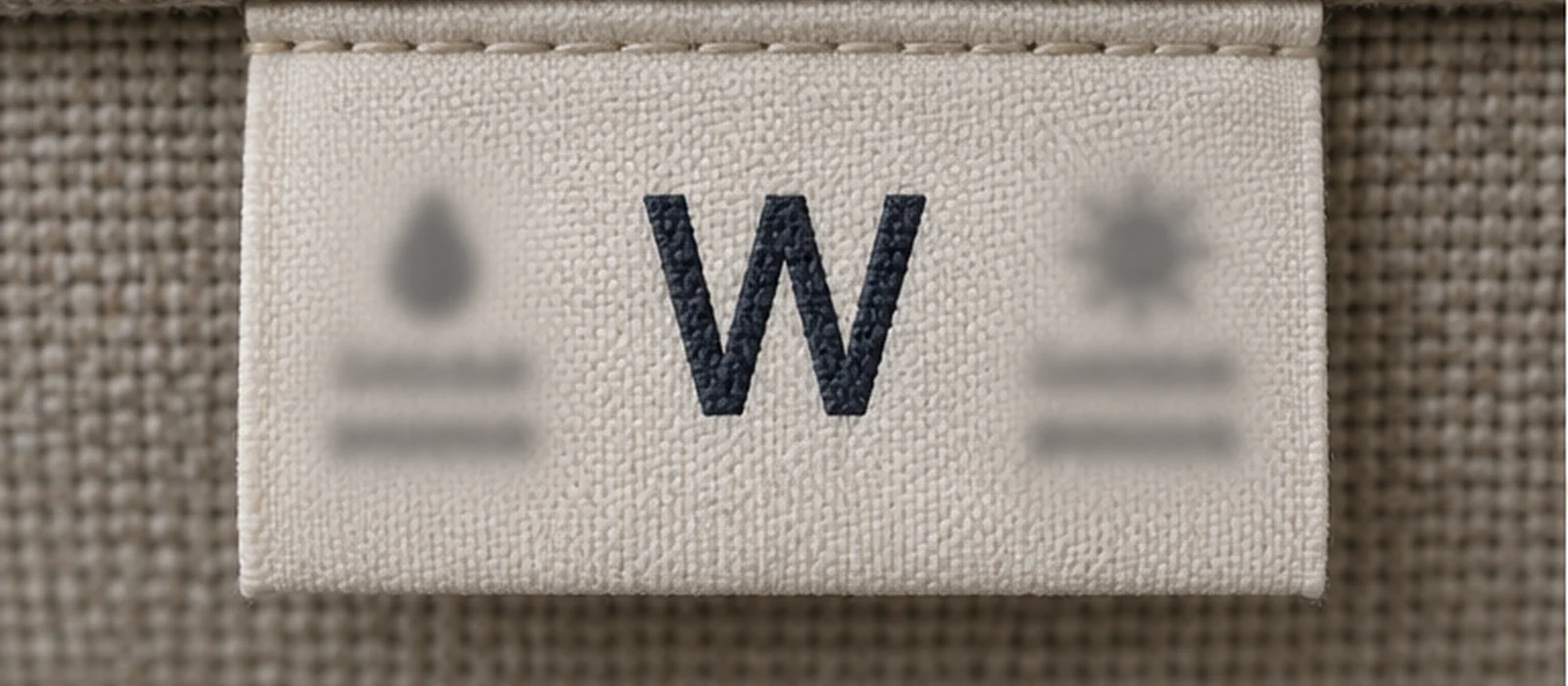
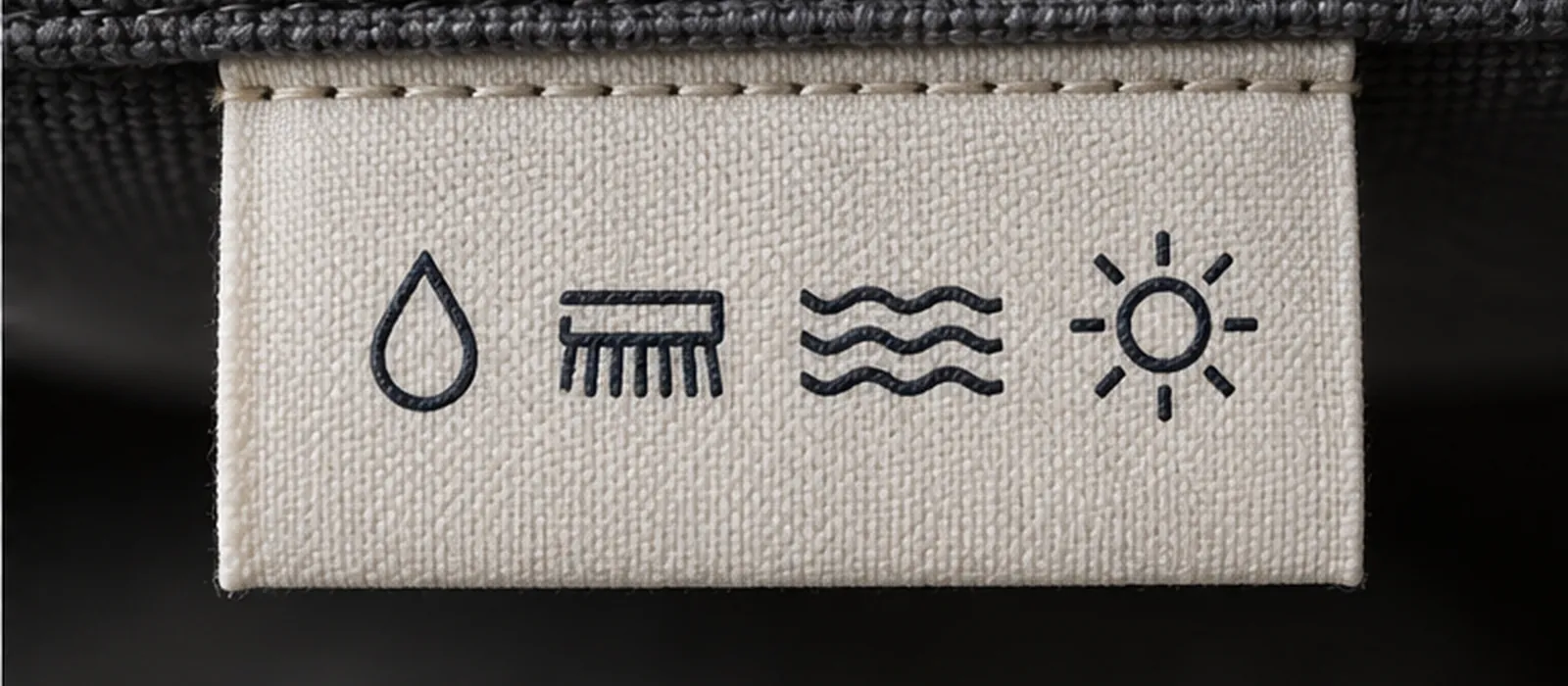
A W code says the fibre tolerates water. It does not say the fabric will look the same afterwards. Velvet, chenille and linen are the three coverings where that distinction bites hardest, and each fails in its own way.
Velvet: the damage is optical, not chemical
Velvet is a cut pile — short fibres standing upright from a backing. Its appearance depends entirely on those fibres standing up, because the colour you see is light reflected off the tips.
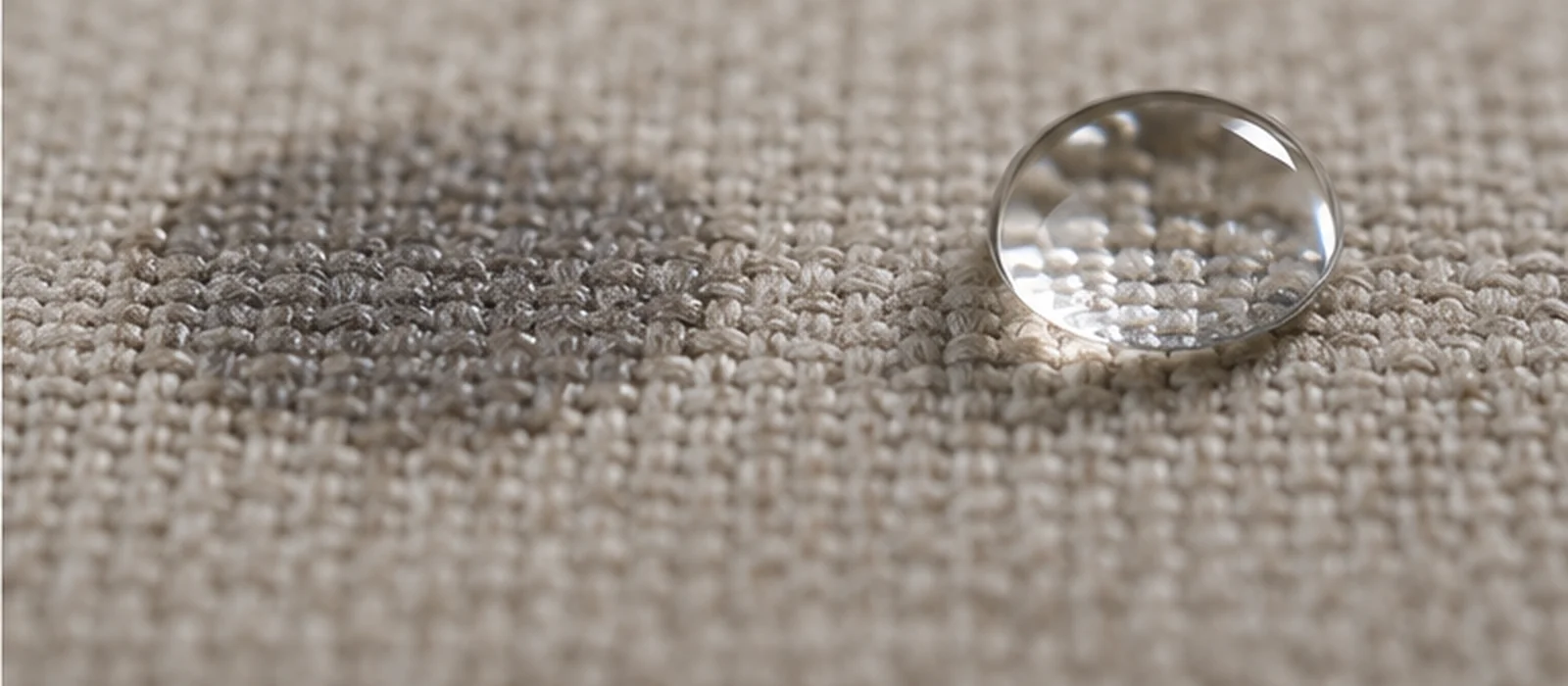
Pile distortion is what happens when they stop standing up. Fibres pressed flat during drying reflect light differently from upright ones, so the flattened patch reads as a pale, washed-out shadow. It looks exactly like a stain, and it is not one: there is nothing there to remove.
This is why water is dangerous on velvet even when the fibre is water-safe. When velvet gets wet, the upright fibres clump together and dry flat, and the mark that results is a permanent change in how that area reflects light rather than a residue.
Heat and over-wetting are the two accelerants. Domestic steam cleaners deliver a great deal of both, which is why they shrink backings, distort pile and leave watermarks on precisely the fabrics people most want to rescue.
The routine care is mechanical rather than chemical: brush the pile in the direction of the nap with a soft brush, regularly, to keep the fibres separated and lying consistently. Where wet work has flattened an area, professionals use pile-lifting tools and tension brushes to bring the nap back — a different kind of intervention from cleaning.
Chenille: never rub it
Chenille is a tufted construction, woven from a caterpillar-like yarn with fibres projecting around a core. Those projecting fibres are what give it the soft handle, and they are also loosely held.
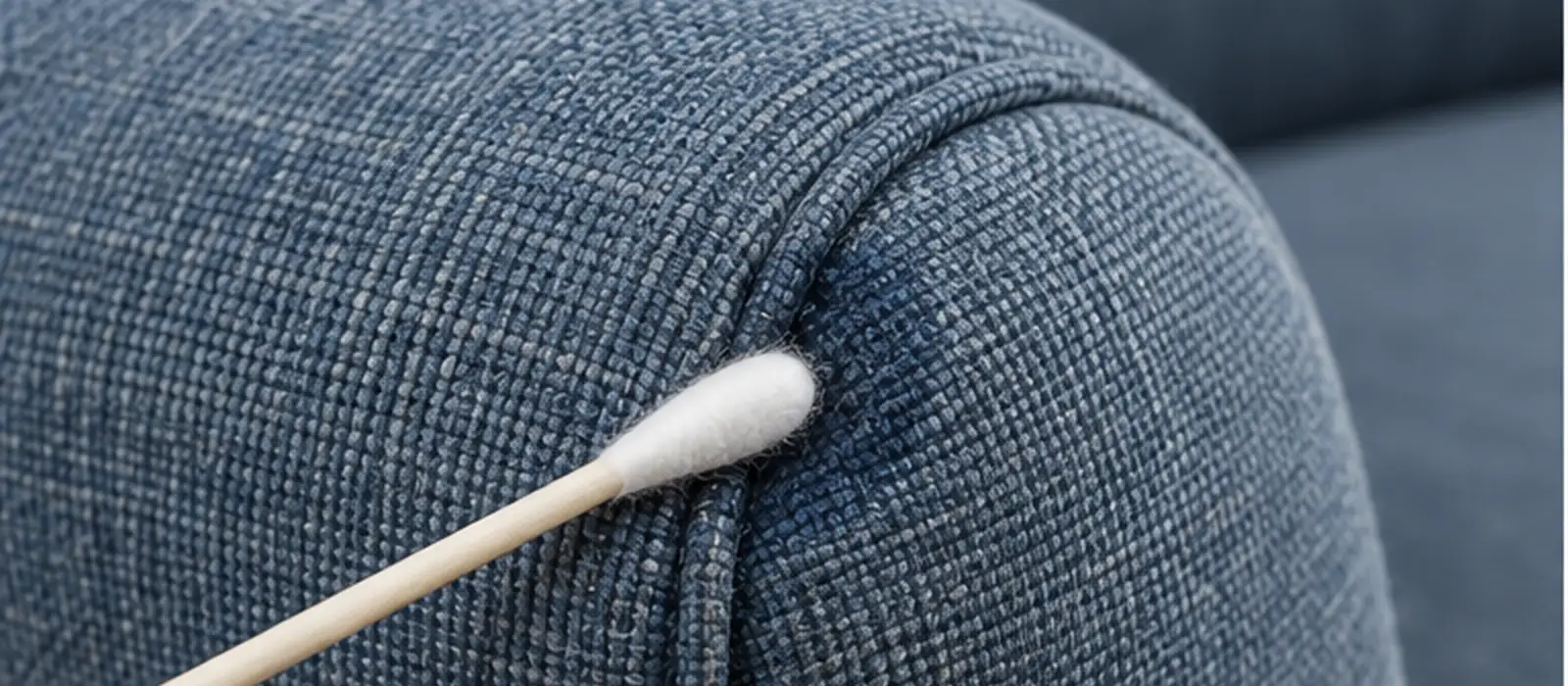
The rule is therefore blunt: do not rub or scrub chenille. Mechanical action pulls the pile out of alignment or out of the yarn altogether, and the result is a permanently bald or shiny patch. Blot, and let the product do the work that the brush would otherwise do.
Chenille also crushes like velvet, for the same reason and with the same result.
Linen: browning and shrinkage
Linen is a different problem. It is a cellulosic fibre, and cellulosics contain lignin. Wet linen heavily — particularly with an alkaline product — and dissolved lignin migrates to the surface as the fabric dries, producing a yellow-brown discolouration. This is why a white or cream linen sofa can come out of a well-intentioned cleaning noticeably yellower than it went in.
Shrinkage is the second issue, and it is significant enough that fabric houses quantify it: allowance of up to around 5% is commonly cited for washable linen covers. That is not a rounding error on a fitted cover — it is the difference between a cover that goes back on and one that does not. Where covers are washed, a cool wash with a mild detergent, then reshaping and stretching while damp, is the standard advice, and some fabric suppliers recommend dry cleaning by an upholstery and curtain specialist as the safer route.
Linen also creases sharply and permanently in a way that reads as damage but is simply what the fibre does.
What the three have in common
All three are fabrics where the safest domestic intervention is the least invasive one: vacuuming, prompt blotting of spills, and mechanical grooming for the pile fabrics. All three punish enthusiasm — more water, more heat, more scrubbing — with damage that cleaning cannot reverse.
And all three are where the manufacturer’s own care guidance genuinely matters, because velvets in particular vary enormously in fibre content. A cotton velvet, a viscose velvet and a polyester velvet look similar and behave completely differently in water.