The upholstery cleaning codes: W, S, WS and X
The single letter on the underside tag decides which cleaning method a fabric will survive. What each of the four codes permits, and what it quietly forbids.
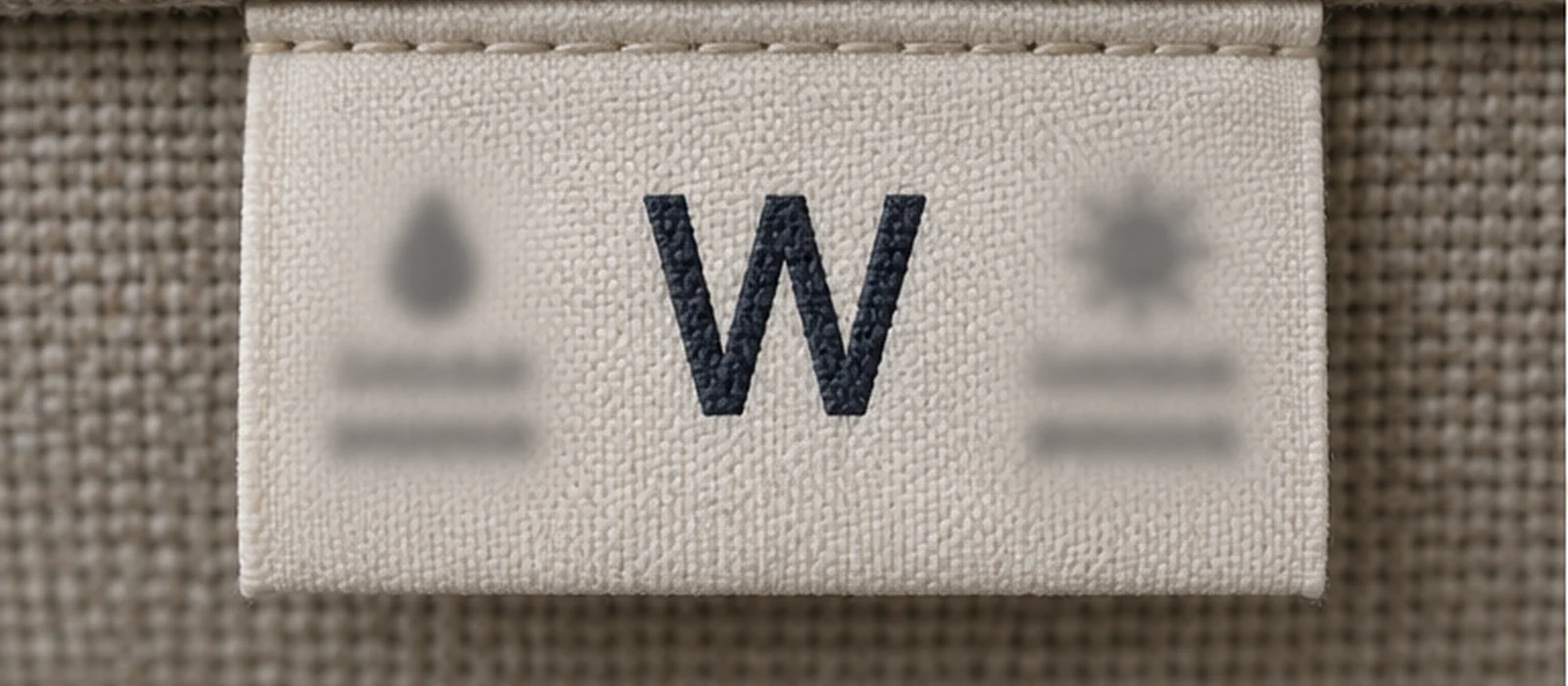
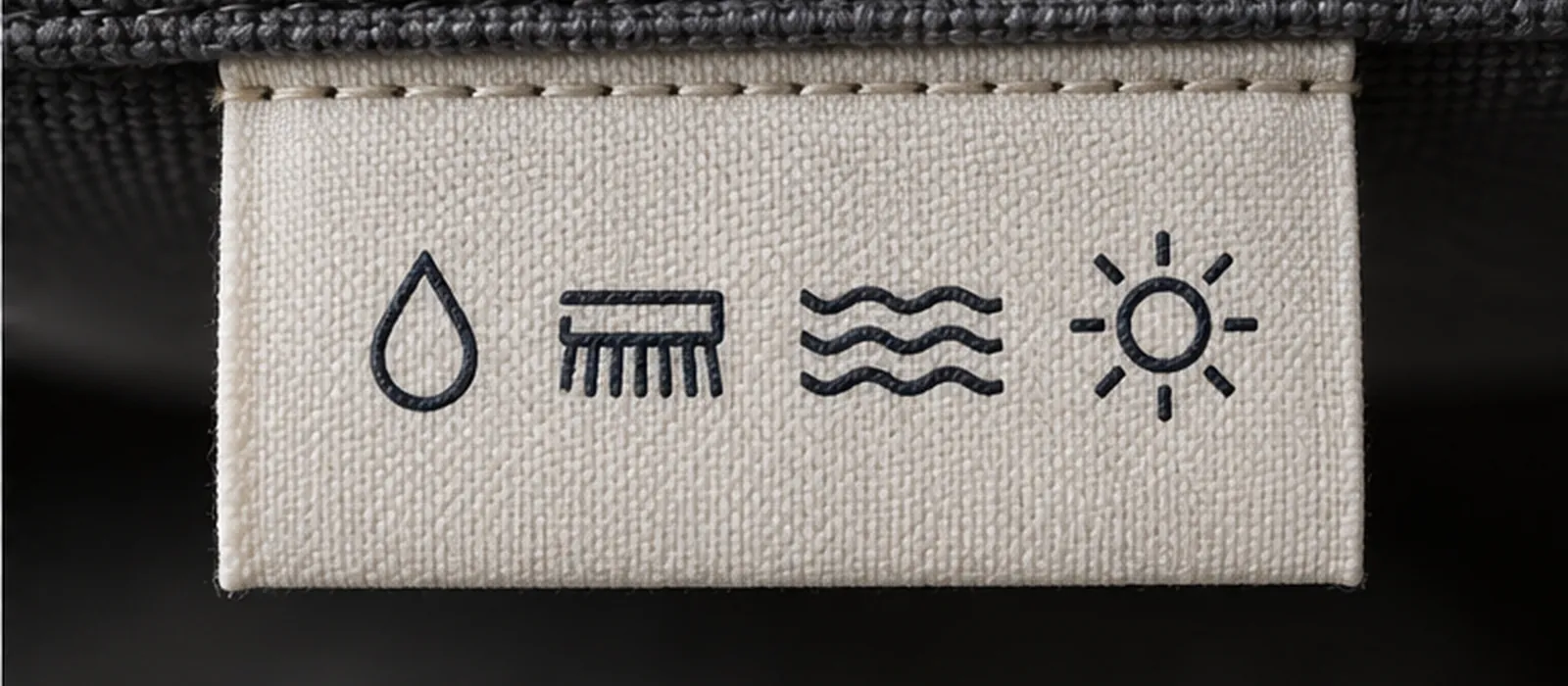
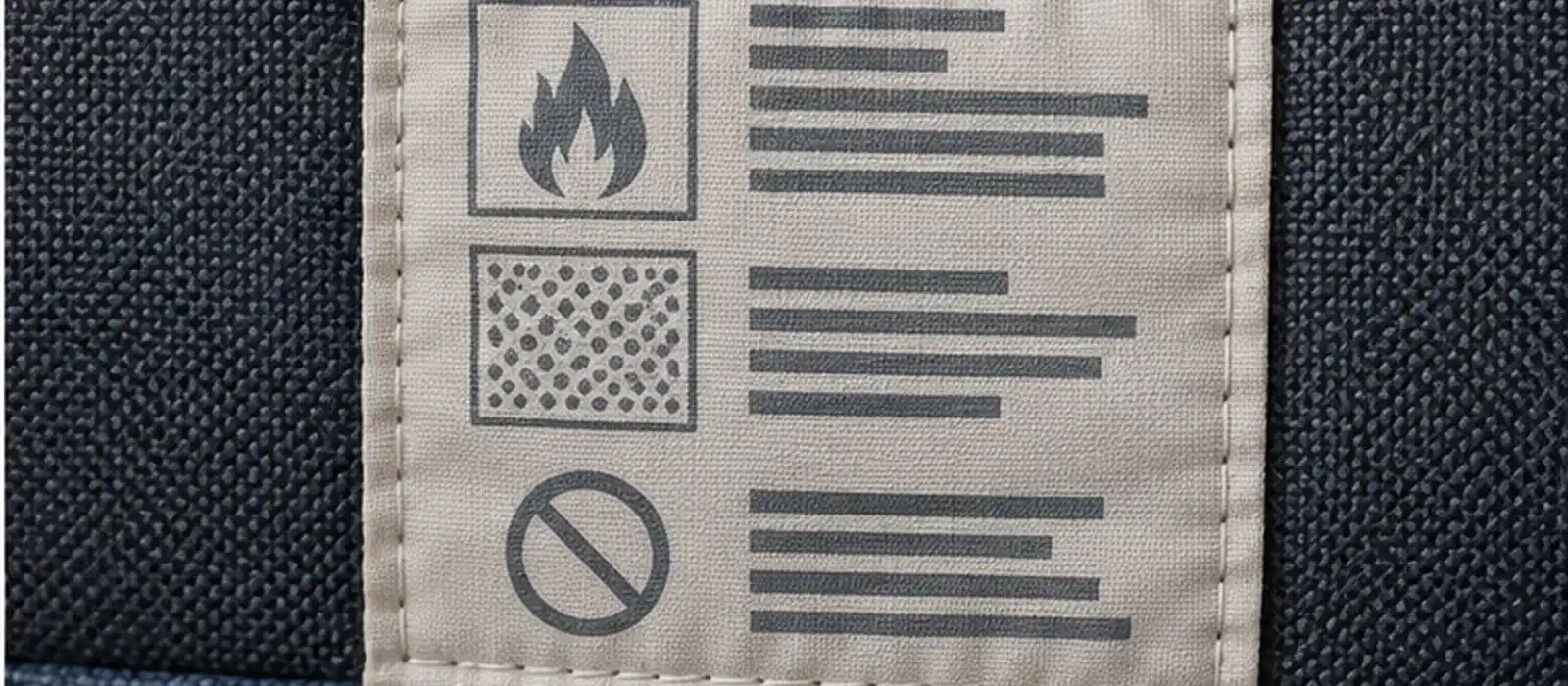
Somewhere on a piece of upholstered furniture — under a seat cushion, on the underside of the frame, sewn into a cushion cover seam — there is usually a small tag carrying a single letter. That letter is the fabric’s cleanability code, and it is the most useful piece of information anyone will ever give you about the covering.
It is not a cleaning instruction. It is a statement about what class of cleaning agent the fabric was tested against and found to tolerate. Everything else — how much you use, how wet it gets, how you agitate it — sits downstream of that.
The four codes
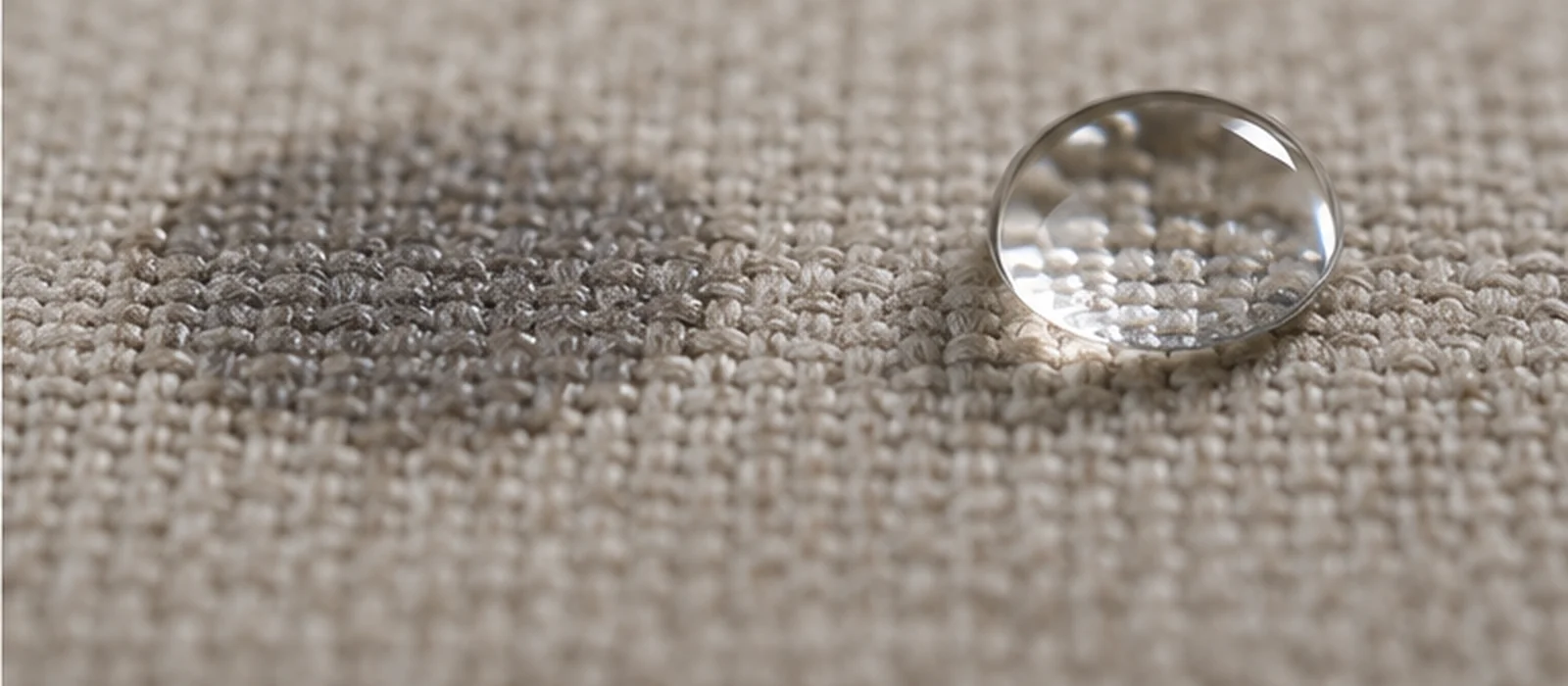
W — water-based cleaning. The fabric tolerates water-based cleaning agents. This is the common code on durable synthetics: polyester, nylon, acrylic, and a good many cotton and linen blends. W does not mean “washable”, and it certainly does not mean “soak it”. It means the solvent may be water.
S — solvent only. The fabric must be cleaned with a water-free, solvent-based product. Water on an S-coded fabric is not a mild error; it is the specific failure mode the code exists to prevent, and it produces browning, water rings and shrinkage.
WS (or W/S) — either. Water-based products and dry-cleaning solvents are both permitted. In practice this is the most forgiving group, and it covers a large share of modern upholstery. Spot cleaning with a mild detergent foam or a mild solvent are both on the table.
X — neither. Vacuum or light brushing only. No water, no solvent, no home spot treatment at all. X is not a warning about aggressive cleaning; it is a statement that the fabric has no safe wet cleaning route in the home.
What the code does not tell you
Three limits are worth being blunt about.
The code describes the face fabric, not the construction. A W-coded velvet can still be ruined by water because the damage is pile distortion, not chemical. The code says the fibre tolerates water; it says nothing about what happens to a cut pile when it dries flat.
The code says nothing about the filling, the backing or the frame. Over-wetting a W-coded cover pushes moisture into foam and timber that will hold it for days. That is a separate problem from fibre compatibility and it causes separate damage.
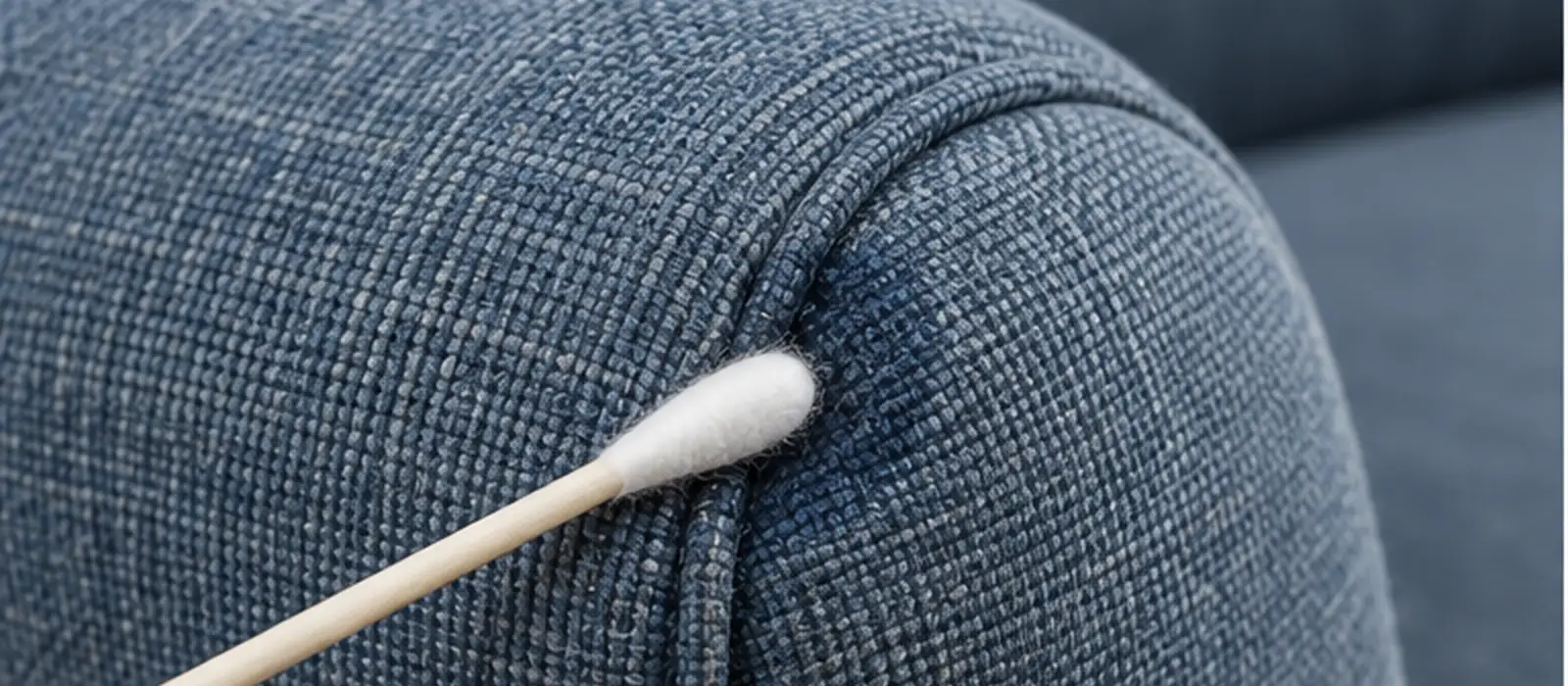
And the code says nothing about colourfastness. Dyes bleed independently of whether the fibre tolerates the solvent. Testing an inconspicuous area is a distinct step, not something the letter covers.
When there is no tag
Second-hand furniture, reupholstered pieces and anything old enough to predate consistent labelling frequently have no code at all. Loose covers sold separately from the furniture are another common gap.
The absence of a tag is not permission to guess. In the absence of a code the working assumption is the most restrictive one that the fibre plausibly supports, which usually means treating the piece as S or X until the fibre has been identified some other way. Removing a mark you can live with is rarely worth converting it into damage you cannot.
Where the codes come from
The letter codes are an upholstery-trade convention rather than a piece of legislation, and they are applied by fabric mills and furniture makers. The professional standard governing how upholstery is cleaned — fibre and construction identification, pre-cleaning inspection, and the selection of method — is ANSI/IICRC S300, which sets out the systems and procedures professional cleaners are expected to follow rather than teaching a technique.
That distinction matters when the code and the fabric disagree. The code is the starting constraint. Identification of what is actually in front of you is what confirms or overrides it.