Party-season seating for a games room: floor cushions and bean bags that survive guests
Floor cushions and bean bags are the seating of choice for a games room in party season. Covers, fillings, zips and care labels, and how to choose pieces that can take spills and be cleaned after the guests leave.
Floor cushions and bean bags are the easiest seating to add to a games room. They fold away, they move around the room, and they let several people sit at a low table without a fight over the best chair. They also take a lot of punishment in party season, with crisps, drinks and the occasional dropped game piece. The difference between a bean bag that lasts and one that smells by January usually comes down to the cover, the filling and whether the cover comes off.
Choose the cover fabric for the way it will be used
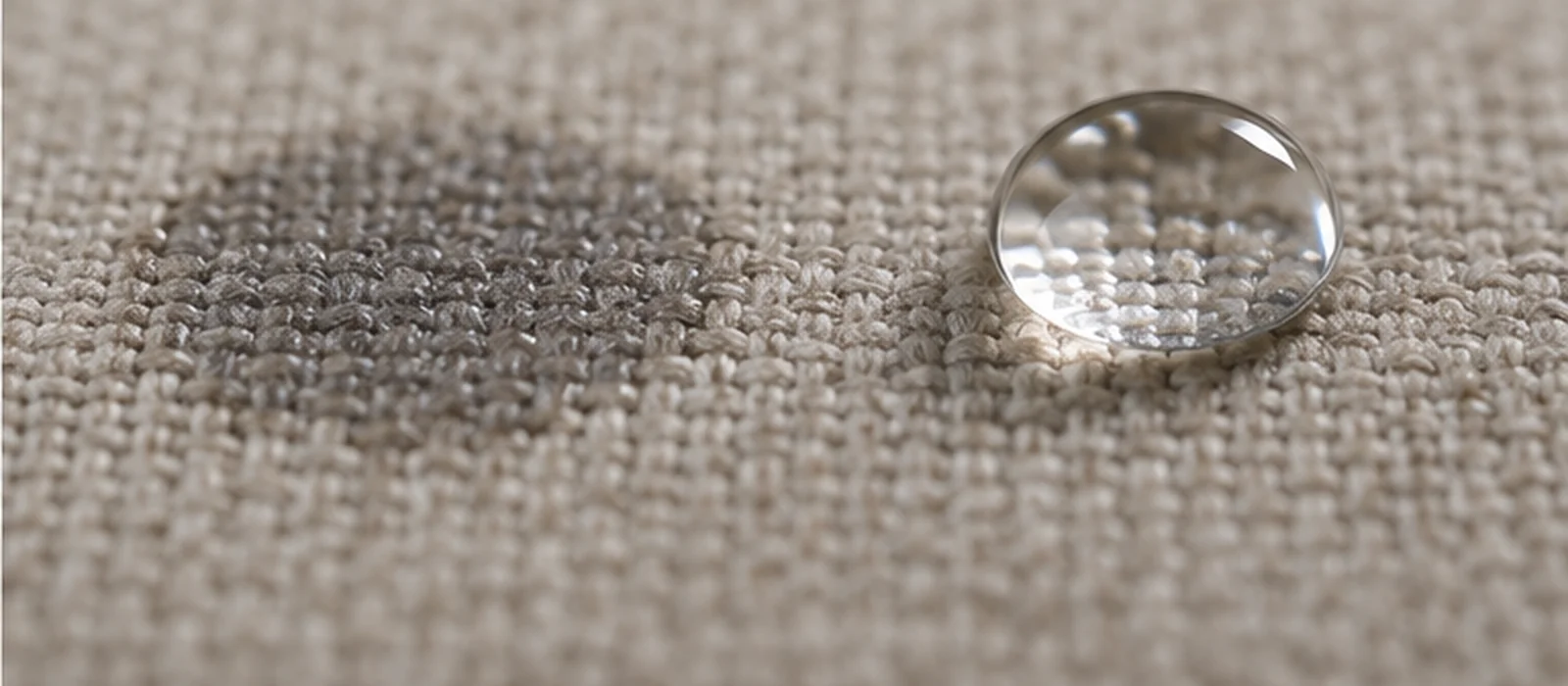
The cover does most of the work. Heavy cotton canvas or a tightly woven polyester is hard-wearing and copes with everyday crumbs well. It also tends to be easier to wash, though check the care label before you put it in a machine. A wipe-clean polyurethane or coated fabric is quick to sponge after a spill, but it can crack with age and will not breathe, so it is less comfortable for long sessions.
Velvet and chenille look good in a games room, but they hold on to dust and pick up stains in the pile. They are best for a quiet corner rather than a seat that will take a whole group. Avoid thin, loosely woven fabrics for anything that will be used by several people in an evening, because they tear and soak up liquid quickly.
Filling matters as much as the cover
Bean bags are usually filled with polystyrene beads, foam or a mix of the two. Beads give a soft, shapeable seat, but they are hard to clean and can escape through a damaged seam. If a bead filling gets wet, it takes a long time to dry and can develop a musty smell. Foam-filled cushions are easier to deal with, but they are heavier and can compress over time.
For a shared games room, a removable inner liner is worth the extra cost. It lets you wash or replace the filling separately from the cover, and it means a single spill does not commit the whole piece to a long drying session.
Zips, seams and removable covers
Check the zip before you buy. A good heavy-duty zip, with a flap that covers the teeth, will stop small hands and crumbs getting into the filling. Look at the seams too. Double-stitched seams at the corners and handles take the strain of people dragging a bean bag across a room, while single stitching tends to split first.
A removable cover is the single most useful feature for party season. Look for one that unzips fully so the cover can be taken off and washed without wrestling the filling. Ask whether replacement covers are sold separately, because a spare cover means the piece can keep looking fresh while the first one is in the wash.
Read the care label before the party
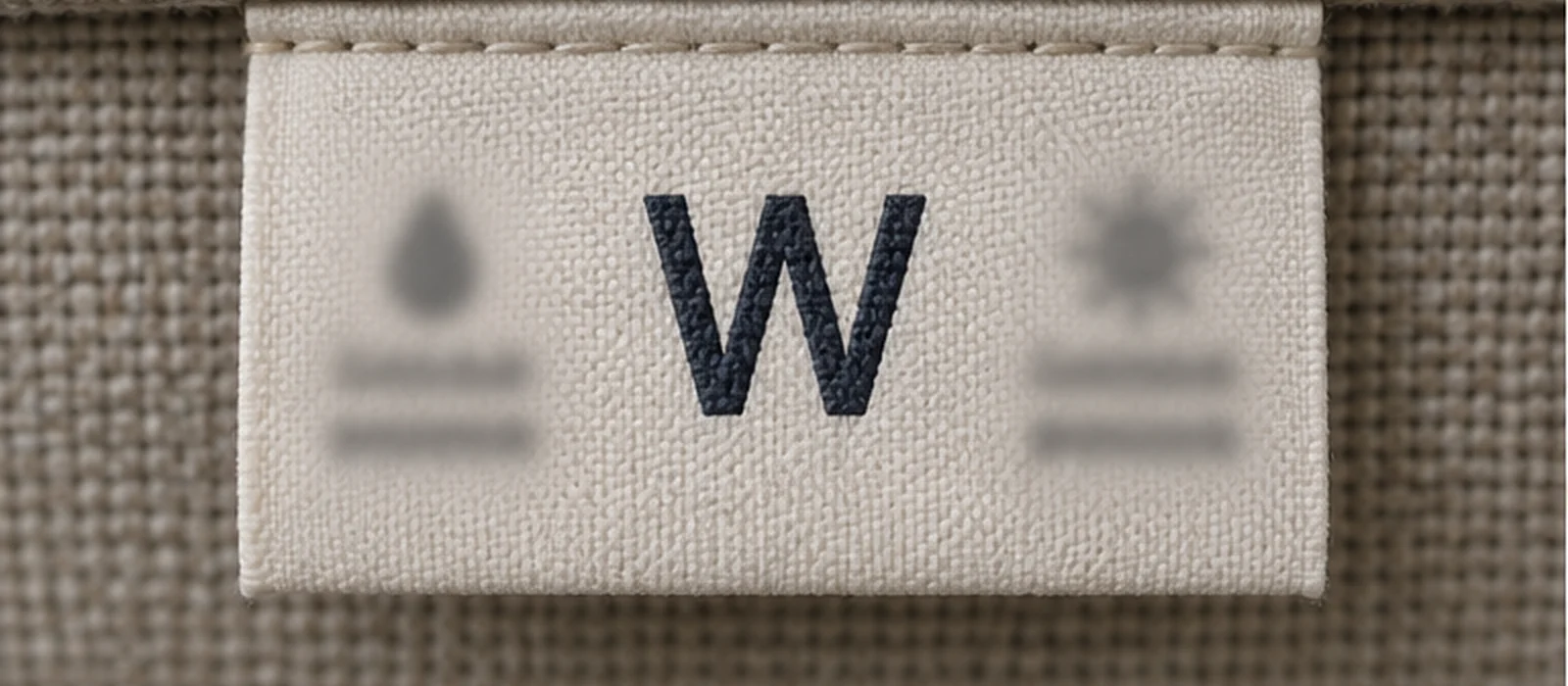
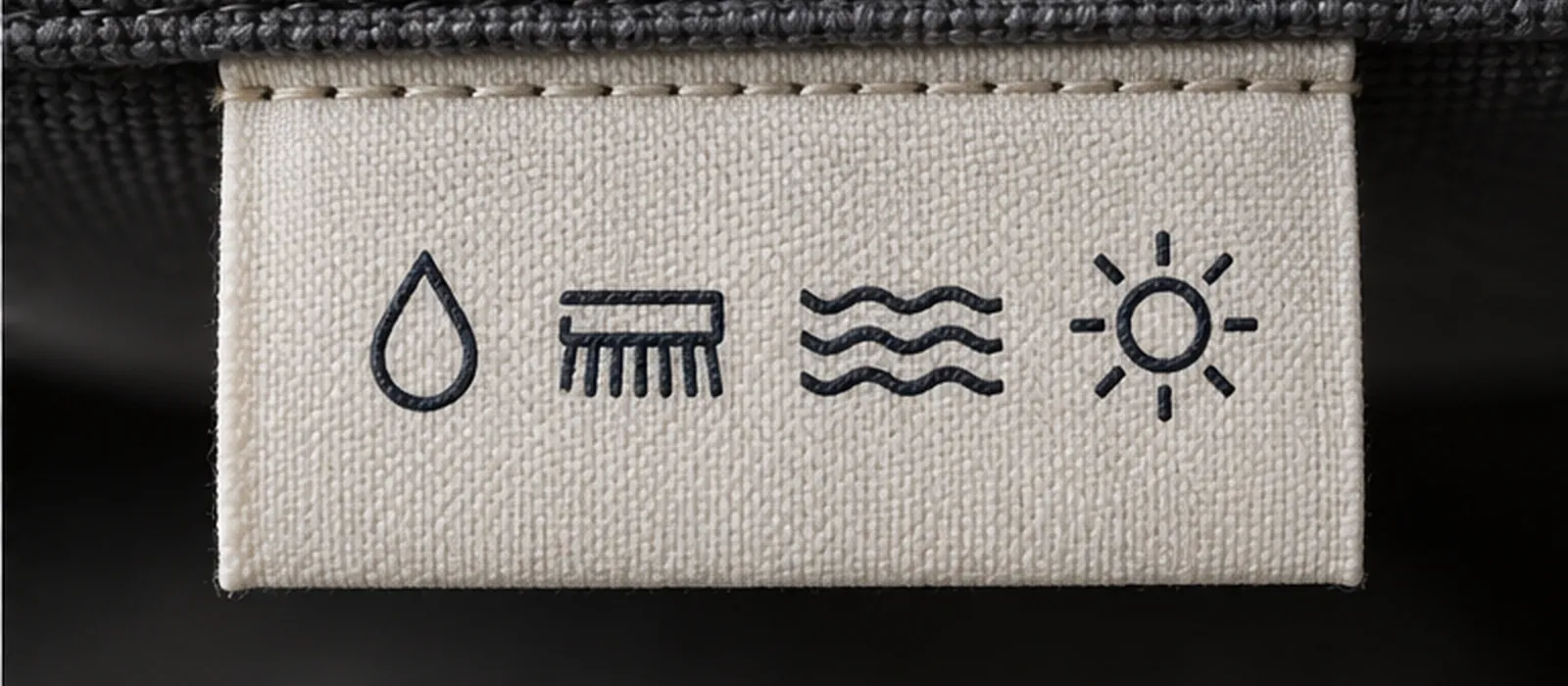
Every piece of upholstery should have a care label, and the symbols on it tell you what the maker considers safe. A label that says the cover can be washed at a set temperature is a clear instruction. A label that says dry clean only, or the symbol for no water, is a warning that you need to treat spills differently. Our guide to care labels and symbols explains what each code means in practice.
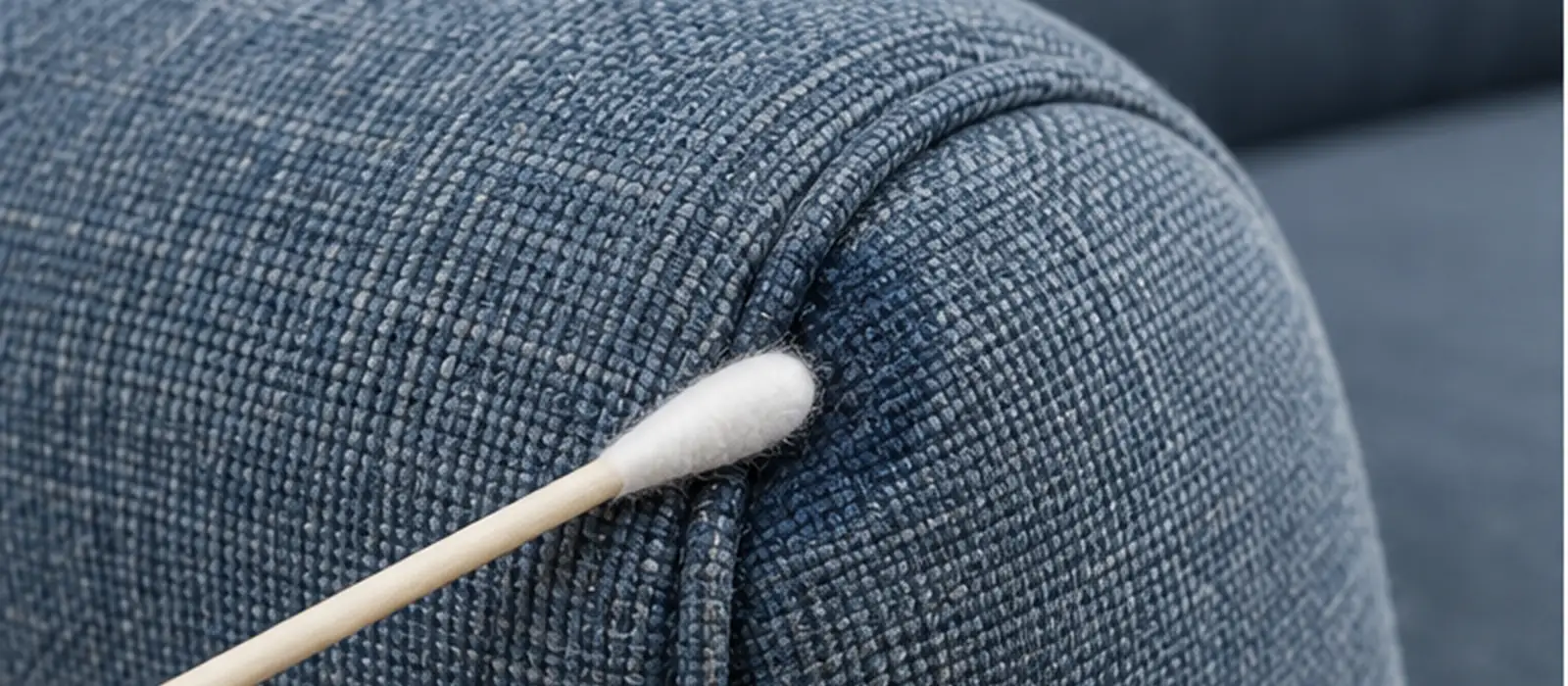
Before the first party, spot test the cover in a hidden area with a little cold water. If the colour lifts onto a white cloth, you know the fabric is not colourfast, and that changes the way you should treat a red wine or fruit juice spill.
Keep the seat clean between games
Set up a simple routine. Shake or brush out the crumbs after each session, and check the seams where food tends to collect. Keep a small bottle of cold water and a stack of white cloths near the games table, so spills can be blotted within minutes rather than hours. Our after a games night guide covers the stains you are most likely to meet, including red wine, crisp grease and felt-tip marks.
Do not put a damp bean bag back in use. Allow it to dry fully, ideally in a warm, ventilated room, before you pile people onto it again. Trapped moisture in the filling is the most common cause of a bad smell that will not go away.
When to replace rather than repair
Some damage is not worth fixing. A split seam can be sewn, and a zip can be replaced, but a cover that has lost its colour, a filling that has clumped into lumps, or a liner that has torn all mean the piece is near the end of its life. Replacing a worn cover or filling is often cheaper than buying a new bean bag, and it keeps the piece you already have.
If the seating is valuable, or has been soaked through with a sugary drink, it may be worth asking a professional upholsterer or cleaner to look at it. Our guide to when a professional is needed sets out the signs to watch for.
Key points
- Choose hard-wearing cover fabric for shared seating, and be wary of velvet and thin weaves in a busy room.
- Bead fillings are soft but hard to dry; foam fillings are easier to manage but heavier.
- A full-length removable cover and a removable inner liner make cleaning far simpler.
- Check the zip, the flap over the teeth and the corner stitching before you buy.
- Read the care label and spot test the fabric before the first party.
- Dry the piece fully after any spill before it is used again.