Over-wetting, wicking and cellulosic browning
Why a cream sofa comes out of a clean yellower than it went in, what wicking is, and why the conditions that cause browning are all under the cleaner's control.
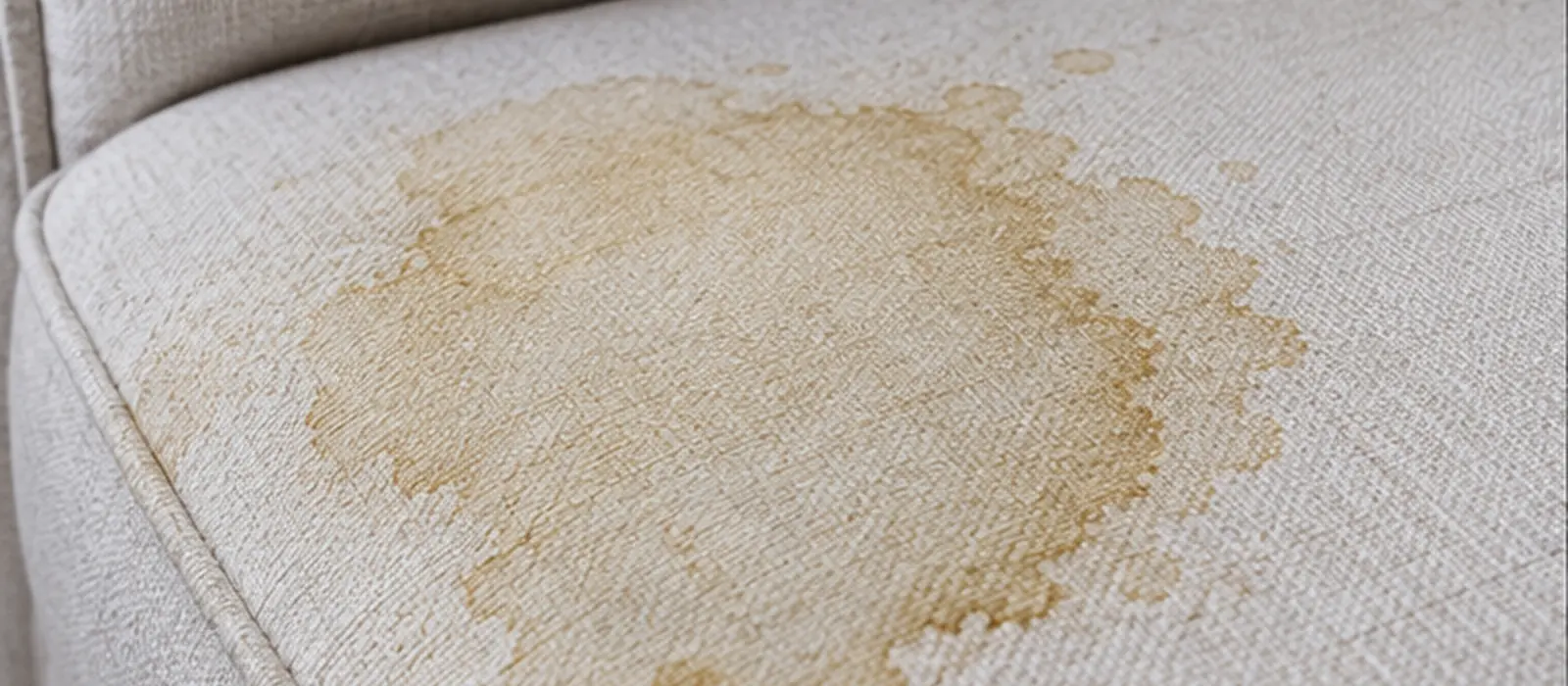
A pale sofa is cleaned. It looks fine while damp. Two days later it is a distinctly yellower colour than it was, or carries brown shadows that were not there before. Nothing was spilt on it in the interim.
This is cellulosic browning, and it is one of the few cleaning faults that is caused entirely by the cleaning.
What browning is
Cellulosic fibres — cotton, linen, jute, viscose — contain lignin, a naturally occurring gum. Lignin is normally locked in place and invisible.
Dissolve it, and it moves. Dissolved lignin travels to the face of the fibre by capillary action and deposits there as the fabric dries, showing as a yellow-brown discolouration. The colour was always in the fabric; cleaning brought it to the surface.
Jute is a particular offender because it is a common backing material, so browning can arrive at the face of a fabric from a component the person cleaning never touched.
The four conditions
The contributing factors are consistently listed as over-wetting, slow drying, high alkalinity, and the presence of cellulosic material.
Only the last is fixed. The other three are decisions:
- Over-wetting puts more solvent in the fabric, dissolving more lignin and carrying it further.
- Slow drying extends the period during which migration happens. A piece that dries in two hours browns far less than the same piece drying over two days.
- High alkalinity is what dissolves the lignin in the first place. Strongly alkaline prespray, left to dwell, on a cellulosic fabric, is close to a recipe.
Which is why browning is best understood as a process fault rather than bad luck.
Wicking is the mechanism, not a separate fault
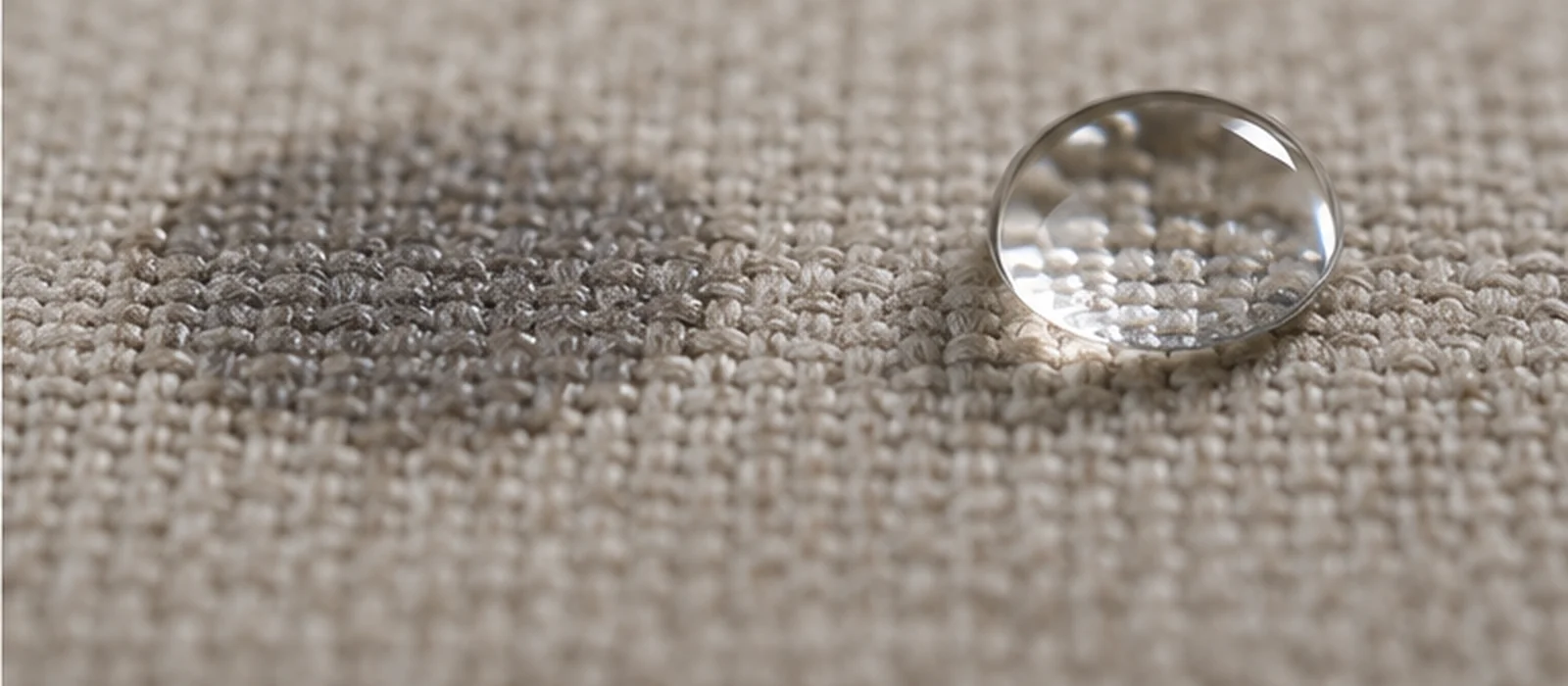
Wicking is the upward flow of moisture along fibre surfaces during drying. It is ordinary physics — capillary action — and it is what carries dissolved material from deep in a fabric back to the visible face.
It explains two things that otherwise look unrelated. It explains browning, as above. And it explains the old spot that reappears: a mark cleaned out of the face fabric while its residue remained in the filling comes back when the drying moisture carries that residue up again.
In both cases, the harder you try — the more you wet the area to re-treat it — the more thoroughly you supply the mechanism that is causing the problem.
Prevention
The published preventative guidance is consistent and short:
- Leave the fabric as dry as possible. Do not over-wet.
- Use additional dry vacuum strokes to pull excess moisture out mechanically before drying begins.
- Use a neutral or acidic prespray rather than a strongly alkaline one on cellulosics.
- Rinse with an acid rinse, which leaves the fibre at a pH where lignin is less mobile.
- Dry fast. Airflow across the surface, windows open, the room warm but not steamy.
The acid rinse deserves emphasis because it explains a common professional practice that looks like fussiness. Finishing at a slightly acidic pH is not about the shine; it is about leaving the fabric in a chemical state where the browning mechanism is suppressed and where alkaline residue is not left behind to attract soil.
If it has already happened
Browning is treatable, which distinguishes it from most permanent damage. Purpose-made browning treatments exist and work by acidifying and reducing the deposited material. This is one of the cases where the professional route is genuinely worth it, because the treatment is a chemistry problem and the fabric has already demonstrated that it responds badly to enthusiasm.
What does not work is cleaning it again the same way. That reproduces exactly the conditions that caused it, and the second round is usually worse than the first.