Low-moisture cleaning: encapsulation and bonnet systems
Two systems that clean with a fraction of the water extraction uses. How encapsulation chemistry crystallises soil for later vacuuming, what bonnet cleaning does, and where each stops working.
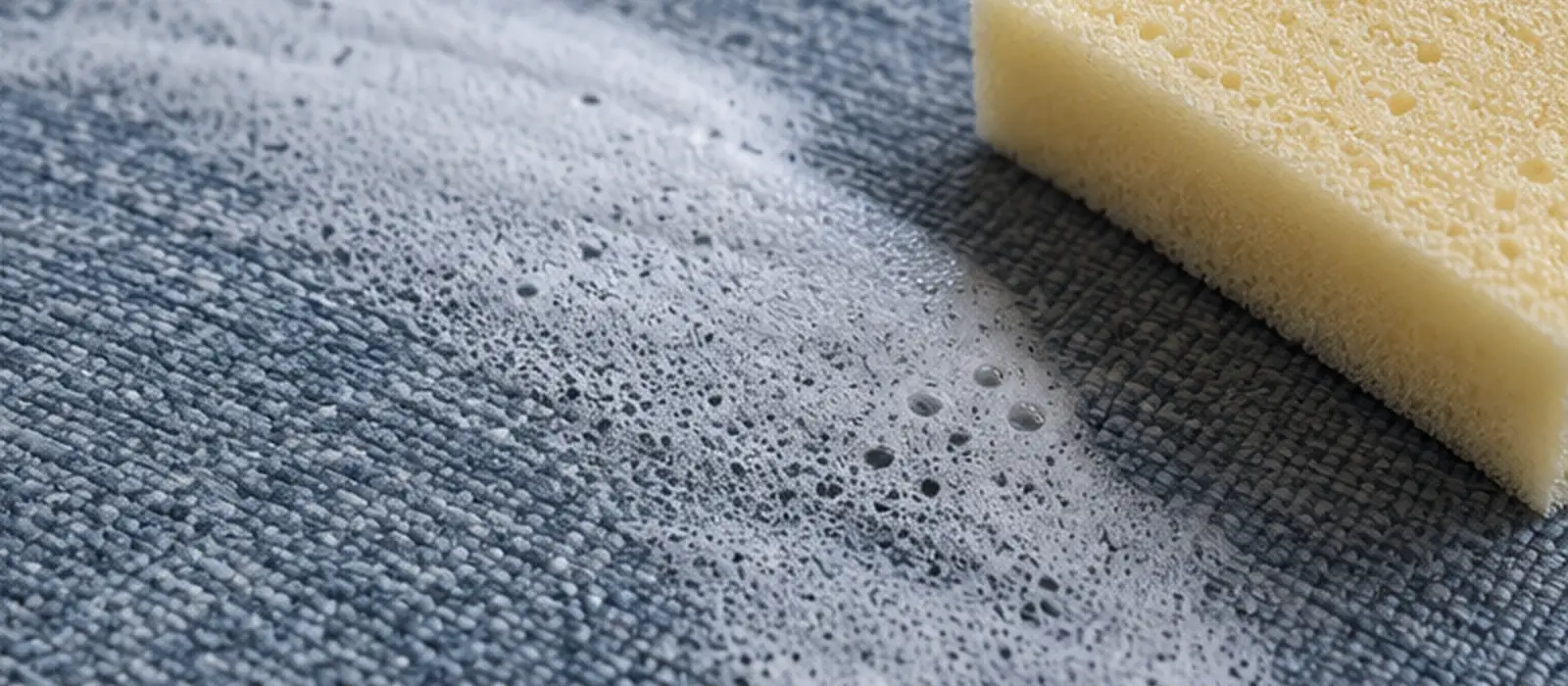
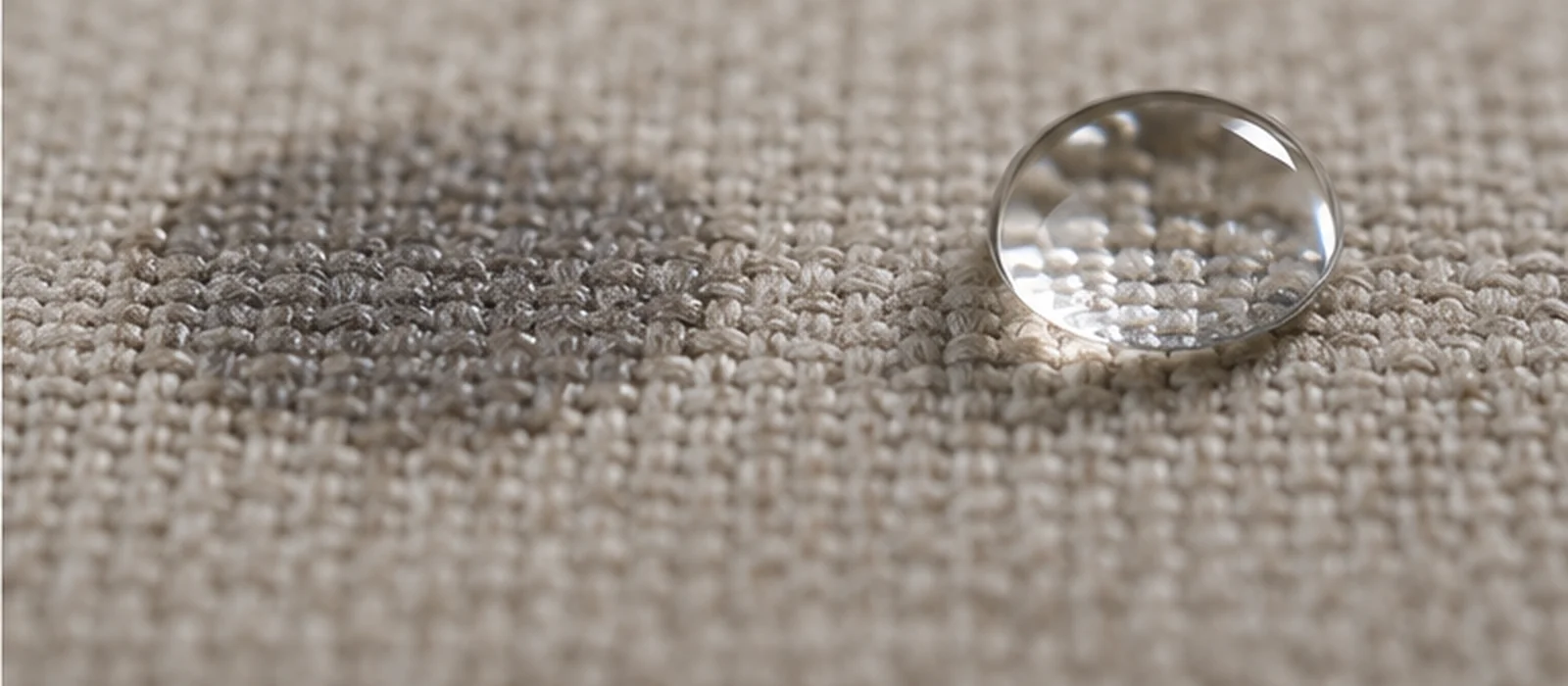
Low-moisture cleaning — also called very low moisture, dry cleaning or encapsulation cleaning depending on who is describing it — exists because the moisture in hot-water extraction is a liability as well as an asset. These systems accept less cleaning depth in exchange for a fraction of the water and drying times measured in tens of minutes rather than hours.
Two distinct systems get bundled under the label, and they are not the same thing.
Encapsulation
The chemistry is the interesting part. An encapsulating solution containing crystallising polymers is sprayed onto the fibres. A machine with counter-rotating or oscillating brushes agitates it in, loosening soil from the fibre.
Then, instead of being rinsed out, the solution is left to dry. As it dries the polymers crystallise around each soil particle, encasing it in a brittle crystal shell. The detergents that did the loosening are encapsulated too — which is the clever part, because it means the surfactant residue that would normally attract new soil is locked up rather than left active.
Once crystallisation is complete, the whole lot — soil and spent chemistry together — is brittle, non-sticky, and removable by ordinary vacuuming.
The practical shape of the process is: pre-vacuum, apply, agitate, allow ten to fifteen minutes to dry, then vacuum. The soil leaves in the vacuum bag on the follow-up pass, which means the job is not actually finished when the operator leaves.
Where it works: regular maintenance cleaning, light to moderate soiling, commercial settings where a floor cannot be out of use, and any situation where drying time is the binding constraint.
Where it stops: heavy, greasy or deeply embedded soil. Encapsulation loosens and traps what it can reach; it does not flush. On a badly neglected item it will improve the surface and leave the reservoir underneath.
Bonnet cleaning
Bonnet cleaning uses a rotary machine fitted with an absorbent pad — the bonnet. Cleaning solution is applied to the surface and to the pad, and the machine is run across the area. Soil transfers from the surface into the pad, and pads are changed as they load up.
It is a surface method by design: it cleans the top of the pile and the tips of the fibres. Drying is fast, and it works on low-profile carpet and on hard floors.
The criticism levelled at it in the trade is worth repeating honestly: used with plain detergent and a worn pad, bonnet cleaning removes relatively little soil and can push some of it further down, so the surface looks better while the reservoir grows. Used with encapsulation chemistry and clean pads, it becomes a genuine cleaning method rather than a buff. The distinction is the chemistry and the discipline, not the machine.
Why upholstery favours low moisture more than carpet does
A carpet sits on a floor and can be dried with air movers. A sofa is a sealed box of foam and timber with fabric stretched over it, and moisture that gets inside has nowhere to go.
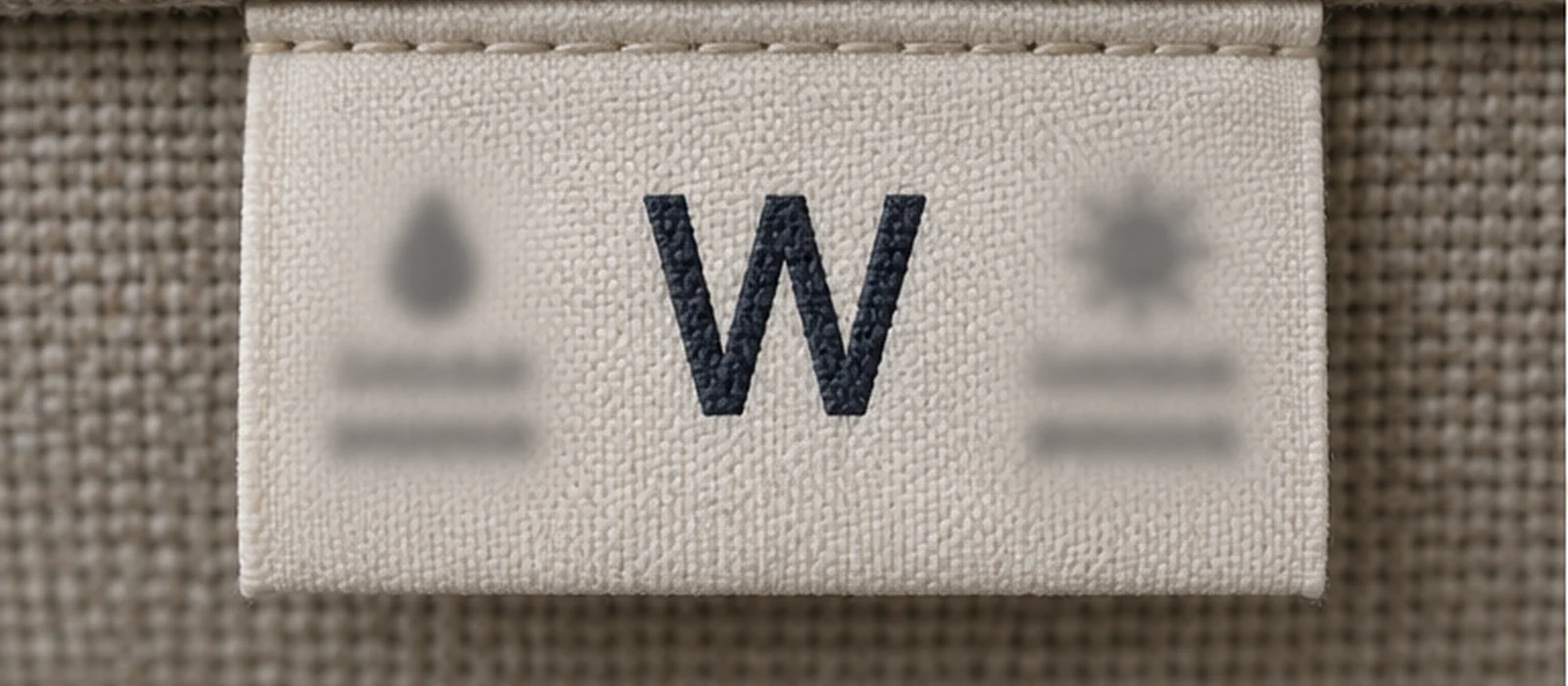
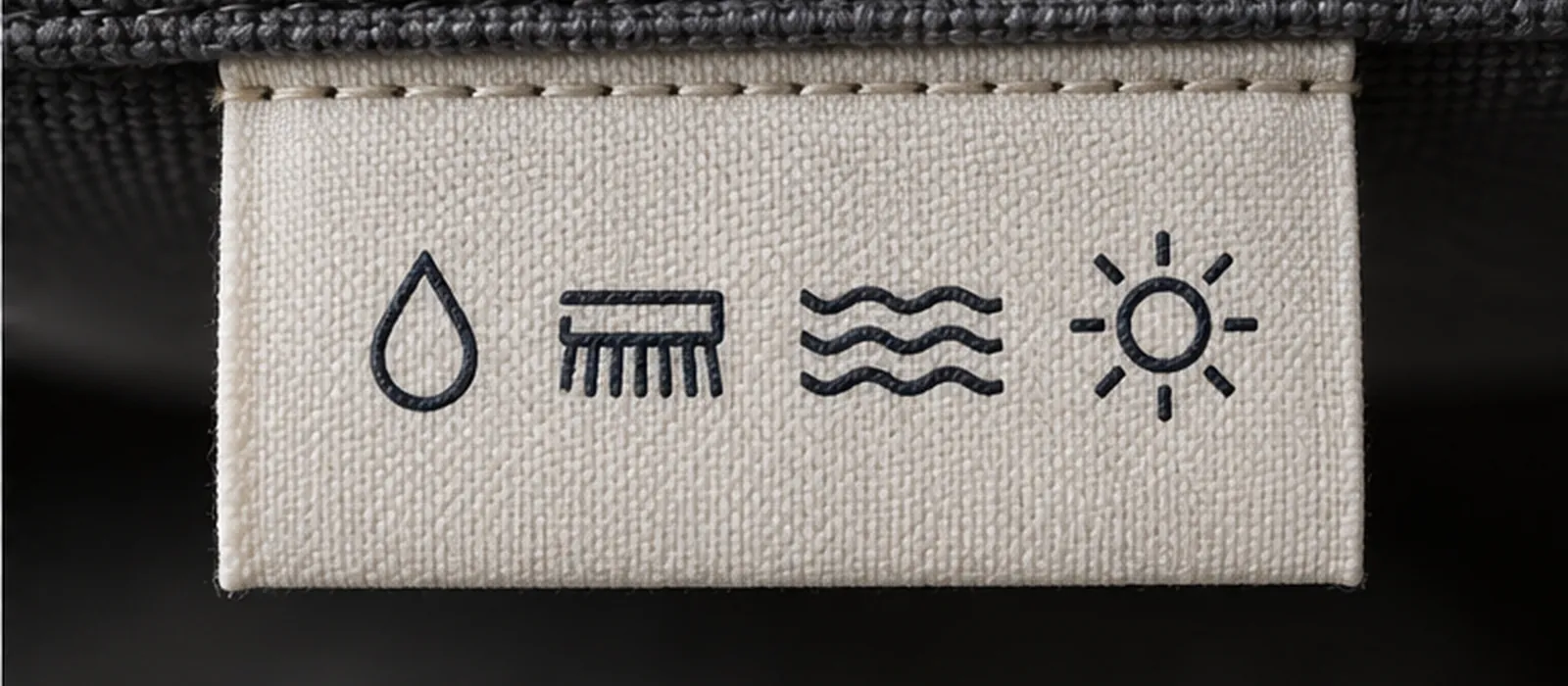
That asymmetry means the low-moisture case is stronger on upholstery than on carpet. For delicate fabrics and lightly soiled pieces it is frequently the right method outright — not a compromise. It is also the only realistic route on many S-coded and marginal fabrics, where the water in extraction is the specific thing the code is warning about.
What it does not fix
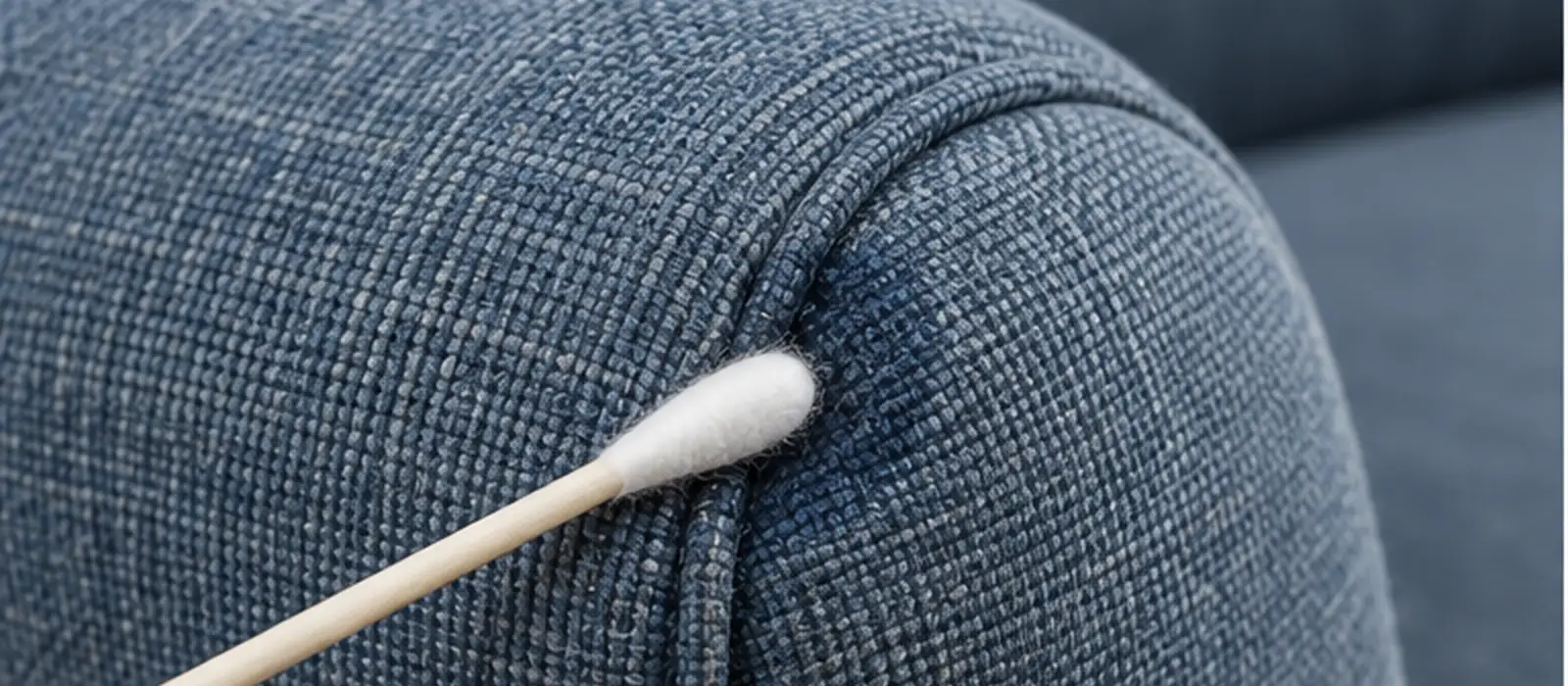
Low moisture is not a way of cleaning something that should not be cleaned. It reduces the moisture risk; it does not remove the chemistry risk. An encapsulation product still has a pH, still needs a colourfastness test, and can still bleed a dye or damage a finish.
Nor does it substitute for identification. The method changes how much water is involved. What the fabric is remains the thing that decides whether any of it is safe.