Leather cleaning and reconditioning, compared with fabric
Leather is a finished surface rather than a woven one, so it is cleaned in two stages — soil removal, then conditioning. Why aniline and pigmented leather need different handling.
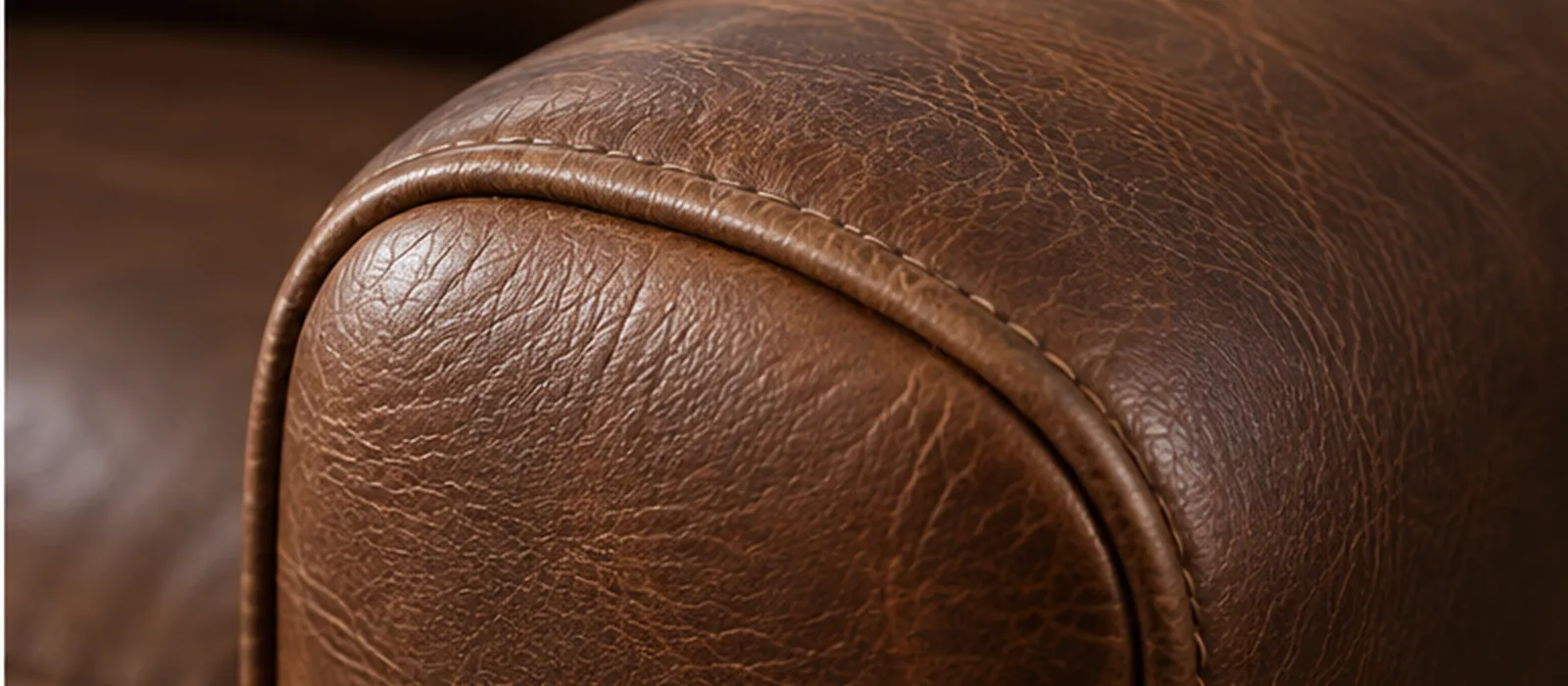
Leather is not a textile and does not behave like one. There is no pile to crush, no weave to shrink and no dye to wick along a fibre. What there is instead is a skin with a finish on it, and the finish is what you are actually looking after.
Two stages, not one
Fabric cleaning is one operation: remove the soil. Leather cleaning is two, and skipping the second is why leather sofas end up dry and cracked.
Stage one — soil removal. Dirt, grease and general grime sit on and in the surface. A cleaning solution appropriate to the leather type is worked in, then lifted off with cloths, leaving the surface free of soil. The grease component matters more here than on fabric, because the heaviest soiling on a leather suite is body oil deposited on head rests, arm tops and seat fronts.
Stage two — conditioning. Once the surface is clean, a conditioning product is applied. This softens the leather, restores some of what cleaning and time have removed, and improves the appearance of fine cracks and surface scratches. It does not repair damage; it plumps and lubricates the surface so the damage reads less sharply.
Cleaning without conditioning leaves the leather stripped. Conditioning without cleaning seals soil under the new layer. The order and the pairing are the point.
The distinction that governs everything: aniline or pigmented
Two broad finish types cover most upholstery leather, and they are close to opposites.
Aniline leather is dyed through and carries no pigmented surface coating. It shows the natural grain, it feels soft and warm, and — because there is no coating — it absorbs liquids and stains very readily. Aniline is the leather that darkens where a hand rests, marks from a drop of water, and takes up a spill within seconds.
Pigmented (or finished) leather carries a surface coating with pigment in it. It is more uniform in appearance, considerably more robust, and much less absorbent. Most family sofas sold as leather are pigmented, and it is the forgiving one.
Semi-aniline sits between the two, with a light protective coat.
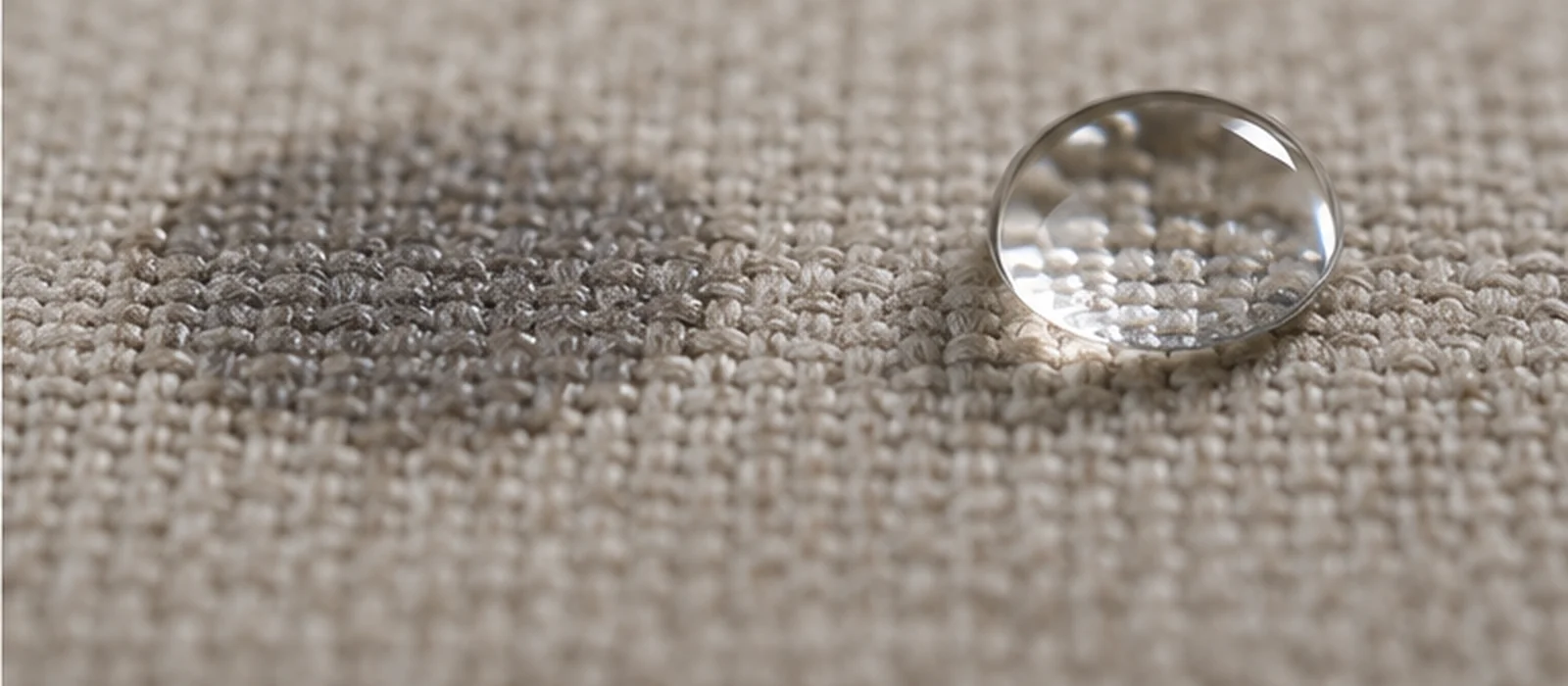
The practical consequence: a product safe on pigmented leather can strip or blotch aniline. Any cleaning decision starts by establishing which you have — and the water-drop test on a hidden area is the quick discriminator. If the drop is absorbed and darkens the leather, it is aniline or semi-aniline. If it beads and sits, it is pigmented.
What not to use
The guidance on aniline is emphatic and worth generalising: never use standard household cleaners, solvents or detergents on it. These strip the finish and the colour, and the damage is permanent.
The common domestic mistakes are consistent:
- Washing-up liquid. Degreasing agents remove the oils the leather needs as readily as the ones you want gone.
- Baby wipes. Widely recommended online, and they contain surfactants and sometimes alcohol that dull and eventually crack the finish.
- Saddle soap and boot products. Formulated for thick, robust hides, not upholstery leather.
- Anything abrasive. Leather has one surface, and it does not grow back.
Prevention counts for more than on fabric
Because aniline absorbs so easily, the published advice puts protection ahead of cleaning: it is more important to keep new marks out than to remove them afterwards. A protection cream creates a barrier that gives spills a window to be blotted rather than absorbed — the same principle as wool’s cuticle, achieved artificially.
The rest is routine. Dust the surface weekly with a soft cloth or brush to stop grit accumulating and abrading the finish. Blot spills immediately, without rubbing. Condition periodically — every three to six months is the common recommendation — to keep the leather supple. And keep leather away from direct sunlight and heat sources, which dry and fade it far faster than use does.
Where leather is easier than fabric
Worth saying plainly, because leather has a reputation for being demanding: for spills, it is much easier. A pigmented leather sofa will shrug off a spilt drink that would be a genuine problem on a linen one, provided the spill is blotted rather than left. The demanding part of leather is not incidents. It is the maintenance nobody does until the arms have gone hard.