Hot-water extraction: what it does mechanically
The deepest of the common cleaning methods, and the one with the most ways to go wrong. How extraction actually removes soil, and what governs whether it helps or harms.
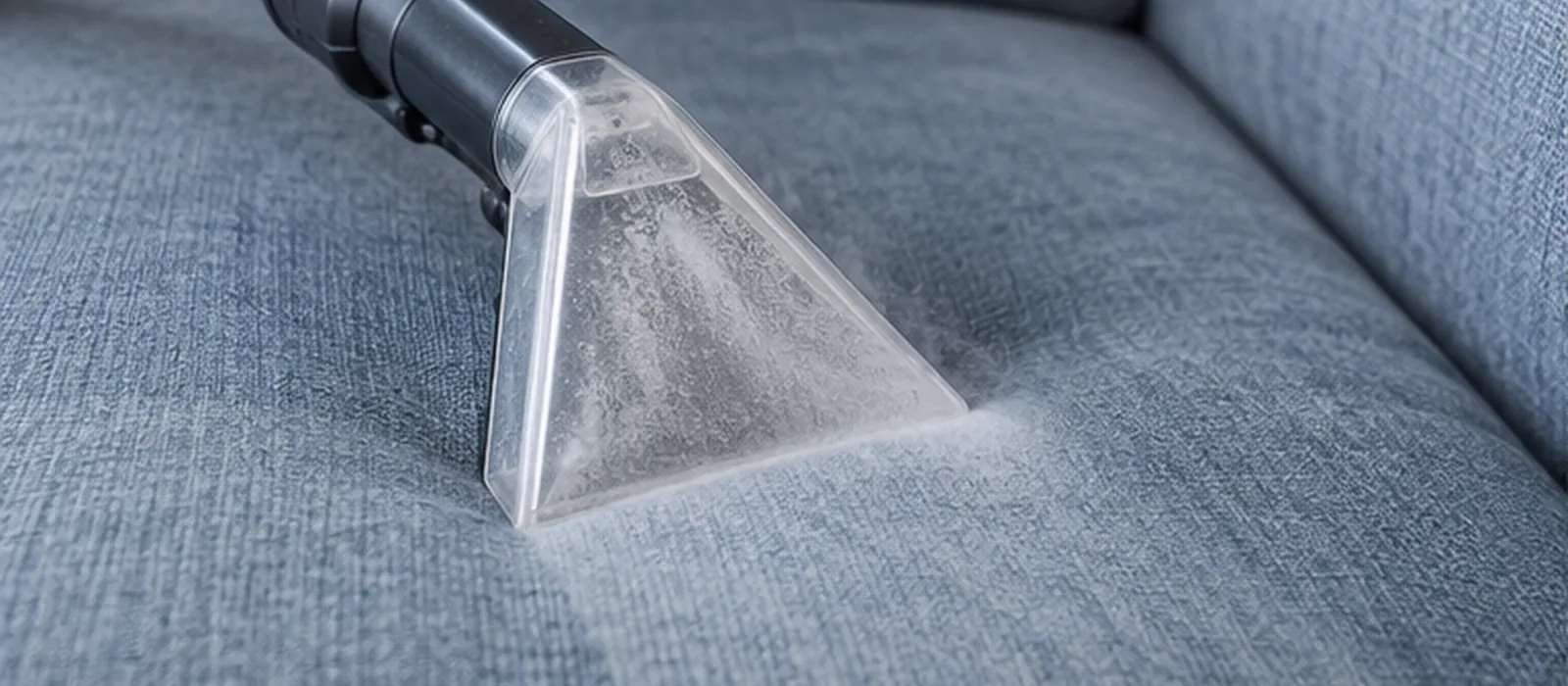
Hot-water extraction is the most widely used professional system for carpets and upholstery, and it is the one people mean when they say “steam cleaning” — inaccurately, since it uses hot water rather than steam.
The mechanism
Four things happen, in order, and each does a distinct job.
Chemical action. A cleaning solution is applied to the fibres and left to dwell. This is not dead time: the dwell period is when the surfactants and any enzymes get into the soil and break its bond with the fibre. Extracting too soon means extracting soil that is still attached.
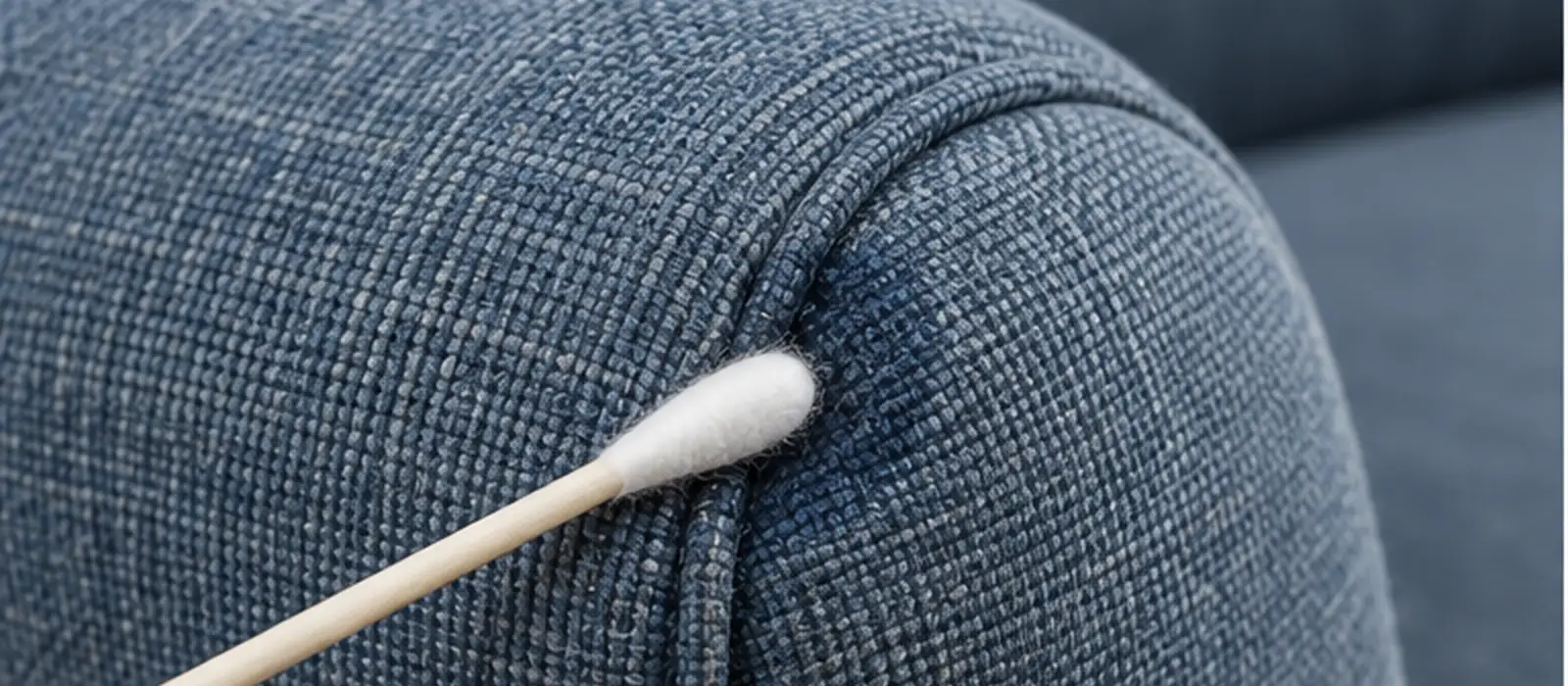
Mechanical action. The solution is worked into the fibres — traditionally with a hand brush on upholstery — to bring the chemistry into contact with soil the spray alone did not reach.
Thermal action. Hot water is injected into the fibres under pressure. Temperature matters because chemical reaction rates rise sharply with it; the rule of thumb quoted in the trade is that cleaning activity roughly doubles for each 18 °F increase, which is why the water is heated rather than merely wet.
Extraction. A vacuum slot immediately behind the jets pulls the water back out, carrying the suspended soil with it. This is the step that distinguishes extraction from washing: the soil leaves the building rather than being redistributed within the fabric.
The method is genuinely the deepest of the common options. It reaches soil that surface methods do not, and it removes rather than encapsulates it.
The trade-off
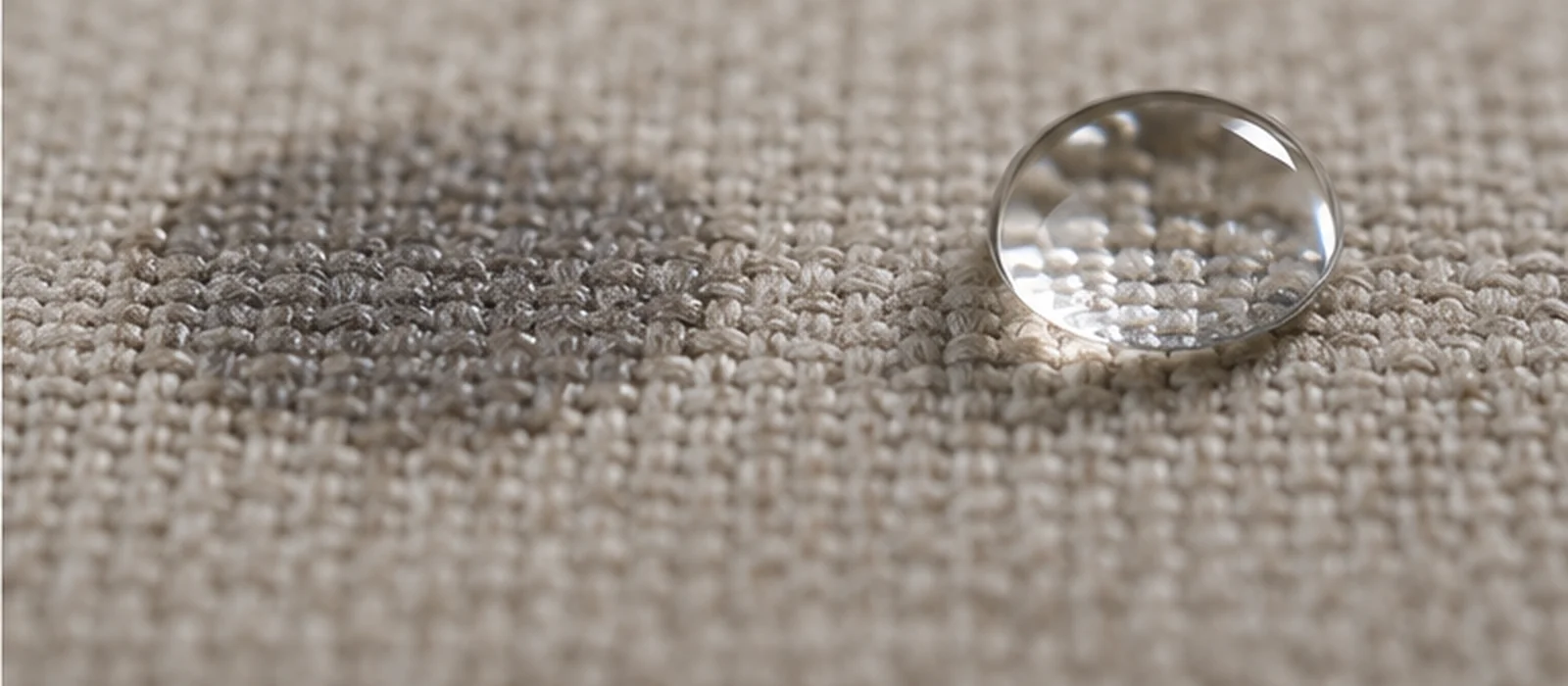
Extraction puts a large volume of water into the item. The extraction stroke removes most of it but never all, and what remains is the source of every problem associated with the method: carpets commonly need eight to ten hours or more to dry, and upholstery holds moisture in foam and frame where no vacuum reaches.
The consequences have their own pages, but in summary: slow drying plus residual moisture is the condition set for browning, for wicking marks reappearing, and for musty odour developing in the filling.
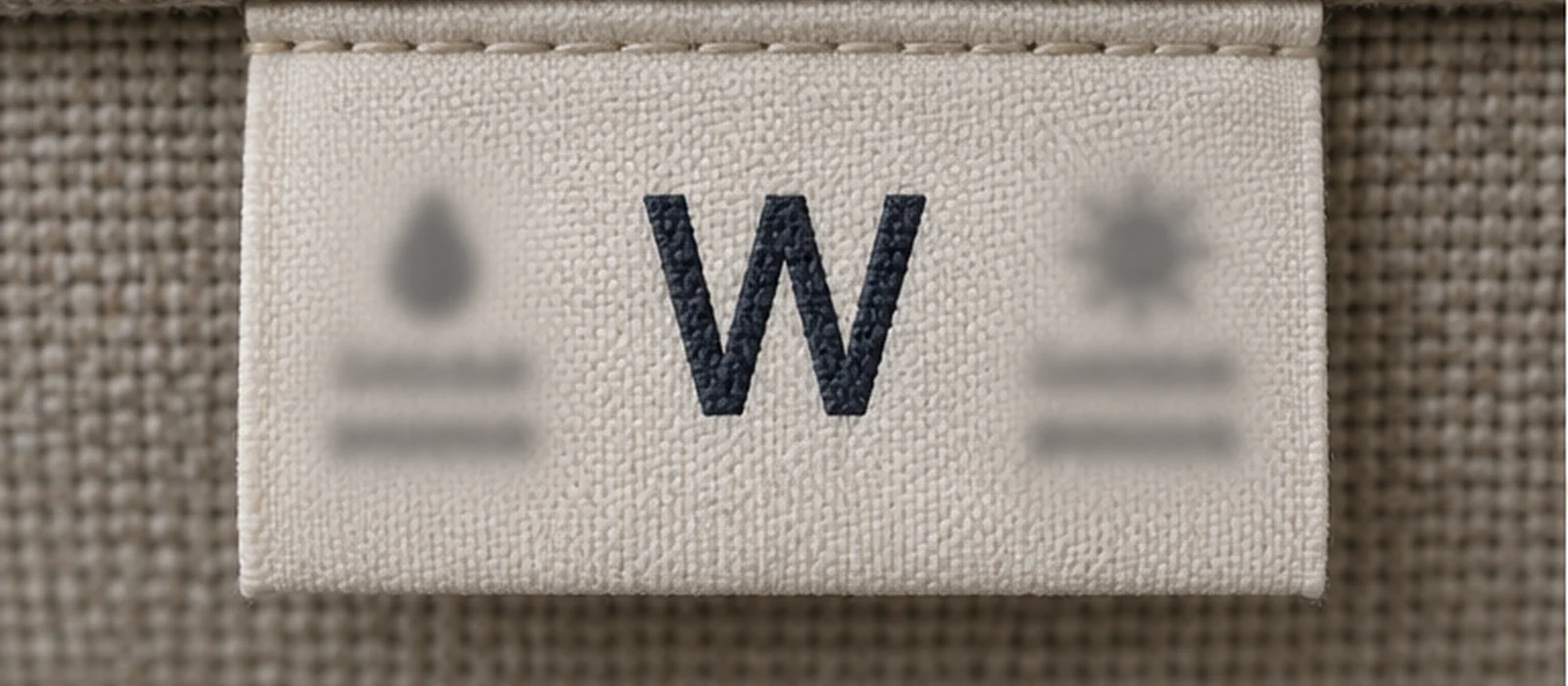
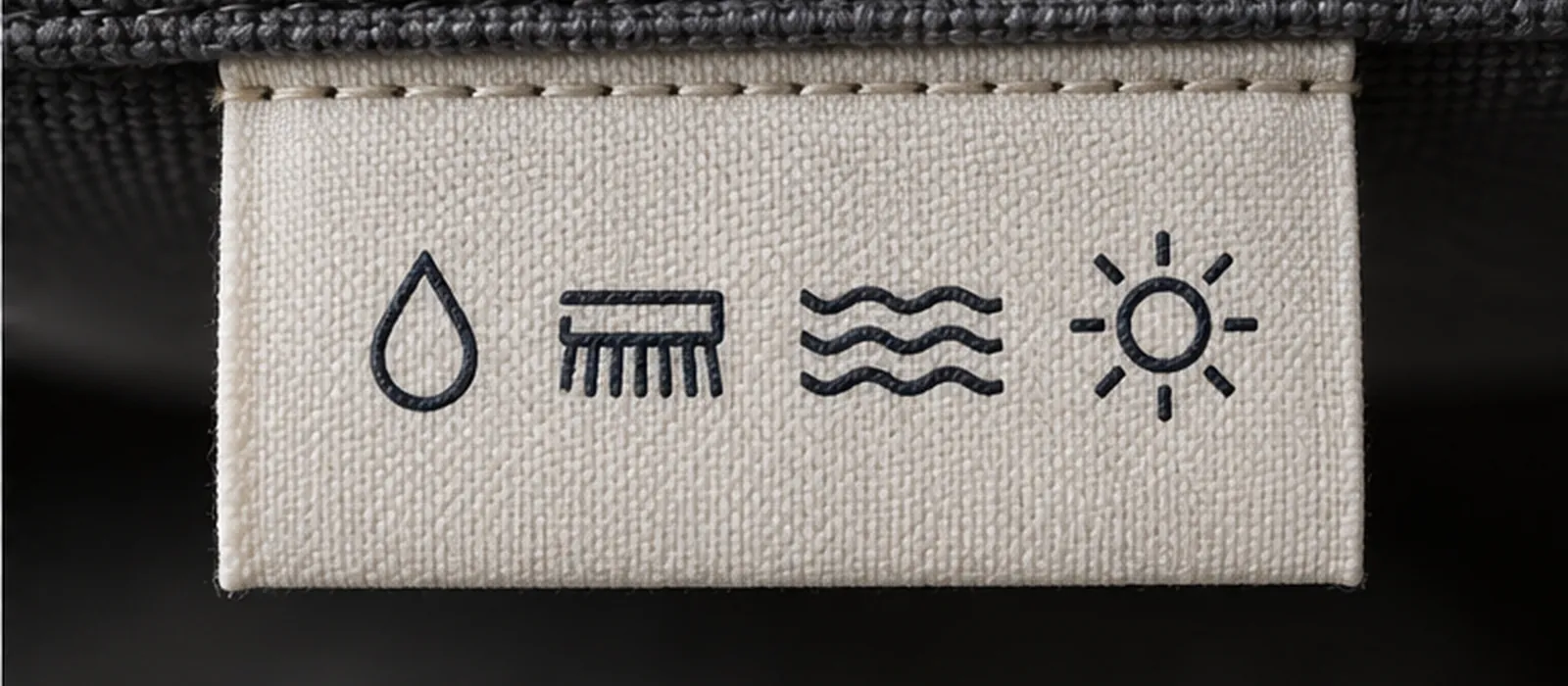
This is why the amount of water is a decision rather than a constant. On a robust W-coded synthetic over a resilient frame, the method’s depth is worth the moisture. On a cellulosic fabric, on anything with a jute component, or on a piece that will not dry quickly, the calculation changes.
Where extraction is the right answer
Heavily soiled items. Where soil has built up over years, surface methods reach the top of the pile and leave the rest. The archived professional practice for this domain described the decision the same way: evaluate the item first, use the low-moisture route for delicate fabrics and light soiling, and reserve the extraction rinse for the heavily soiled work.
Anything requiring a rinse. Where a strong prespray has been used, the residue must be removed or it becomes a soil magnet — and extraction is the only common method that genuinely rinses.
Water damage. After a burst pipe, a radiator leak or a failed central heating system, the extraction machine is used not to clean but to remove standing water from carpet and upholstery as fast as possible. This is a different job from cleaning, with a different priority: moisture removal against the clock, because what follows a soaking is microbial rather than cosmetic.
What governs whether it goes well
- Dry vacuuming first. Most soil in a textile is dry particulate, and wetting it turns removable grit into mud. Vacuuming before any moisture is the highest-value step in the process.
- Correct dwell time. Long enough for the chemistry, not so long it dries in place.
- Enough extraction passes. Additional dry passes with no solution flowing pull out substantially more moisture and are the cheapest insurance against browning.
- pH management. Alkaline prespray, acidic rinse, particularly on cellulosics.
- Drying. Airflow immediately, not overnight.
Why domestic machines struggle
The equipment sold or hired for home use performs the same four steps with much less capability at the one that matters. The jets go in; the vacuum is the weak link. Under-extraction is the default failure mode of a hired machine, and it produces exactly the combination — plenty of water in, not much water out, slow drying — that the method’s risks depend on.