Hired and domestic cleaning machines: what they can and cannot do
A hired extraction machine performs the same steps as a professional one with much less capability at the step that matters. Where that gap shows, and how to work within it.
Machines for hire and consumer extraction machines are widely available, and this page is not an argument that nobody should use one. It is an account of where the capability gap actually sits, because the gap is narrower in some places and much wider in others than the marketing suggests.
The gap is in extraction, not injection
A domestic machine sprays solution and vacuums it back, which is the same sequence as a professional one. Putting water in is easy and cheap. Getting it back out requires vacuum airflow and lift, and that is where the capability difference concentrates.
The consequence is that hired and consumer units are prone to leaving substantially more moisture behind. That is not a cosmetic shortfall. Under-extraction is precisely the condition that produces the three problems the method is otherwise prone to:
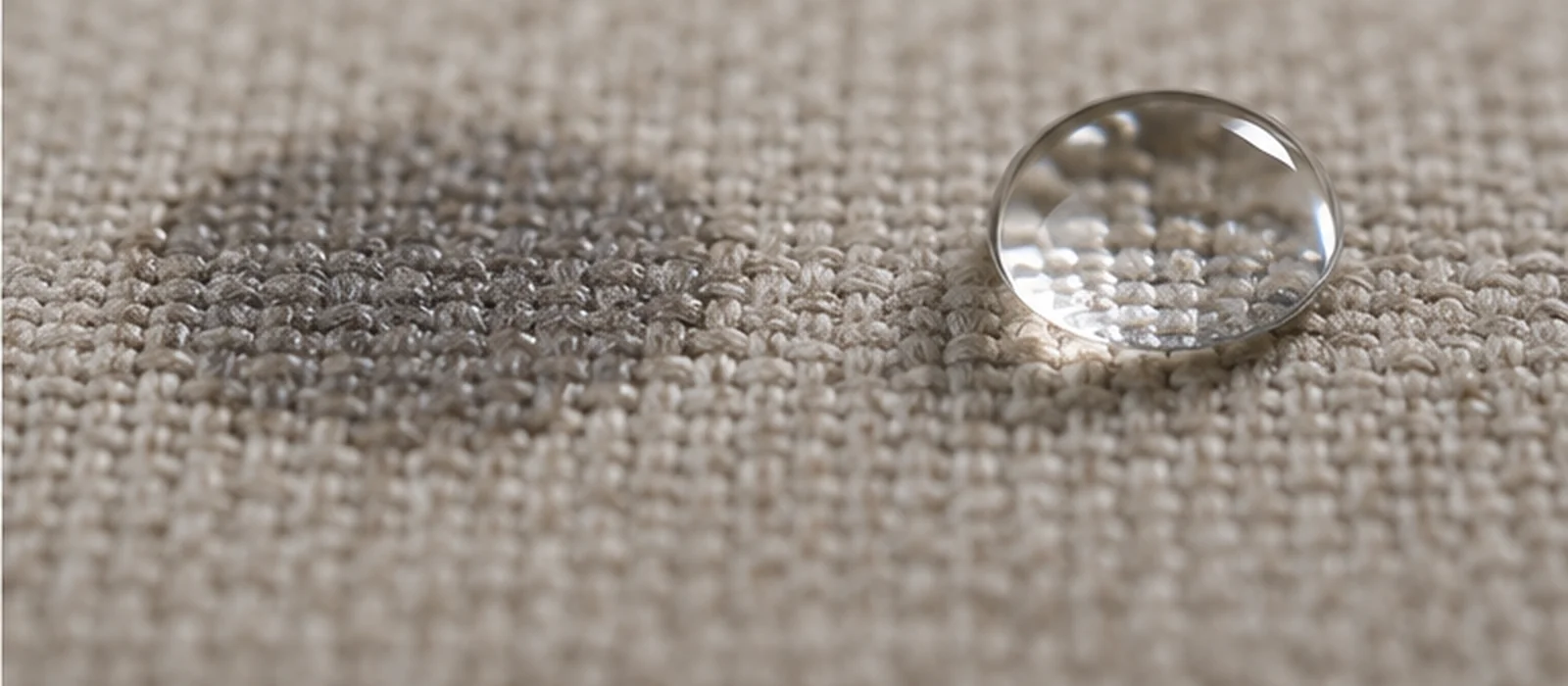
Prolonged drying, with carpets left wet for many hours, and moisture soaking into backing and underlay where no vacuum reaches.
Wicking and browning. Slow drying gives dissolved material time to migrate to the surface. Spots reappear; pale cellulosic fabrics yellow.
Microbial growth. A damp underlay and subfloor is a favourable environment for mould and mildew, and the result is a persistent sour odour that appears days after the clean.
The residue problem
The second issue is rinsing, and it is less obvious than the first.
Detergents work by getting soil to cling to them. That is fine as long as the detergent then leaves. If it does not, the residue keeps doing its job — on new soil. Sticky surfactant residue in a carpet attracts and bonds dust and grit as soon as the floor is walked on again.
This is the mechanism behind the common complaint that a carpet got dirty faster after cleaning than before. It is not imagination and it is not the carpet being “opened up”. It is unrinsed detergent behaving exactly as designed.
Rinsing thoroughly needs both the water volume to flush and the extraction capability to retrieve it — the same capability that is the limiting factor. This is why using less detergent than the bottle suggests is generally better advice than using more with a domestic machine.
Where a hired machine is reasonable
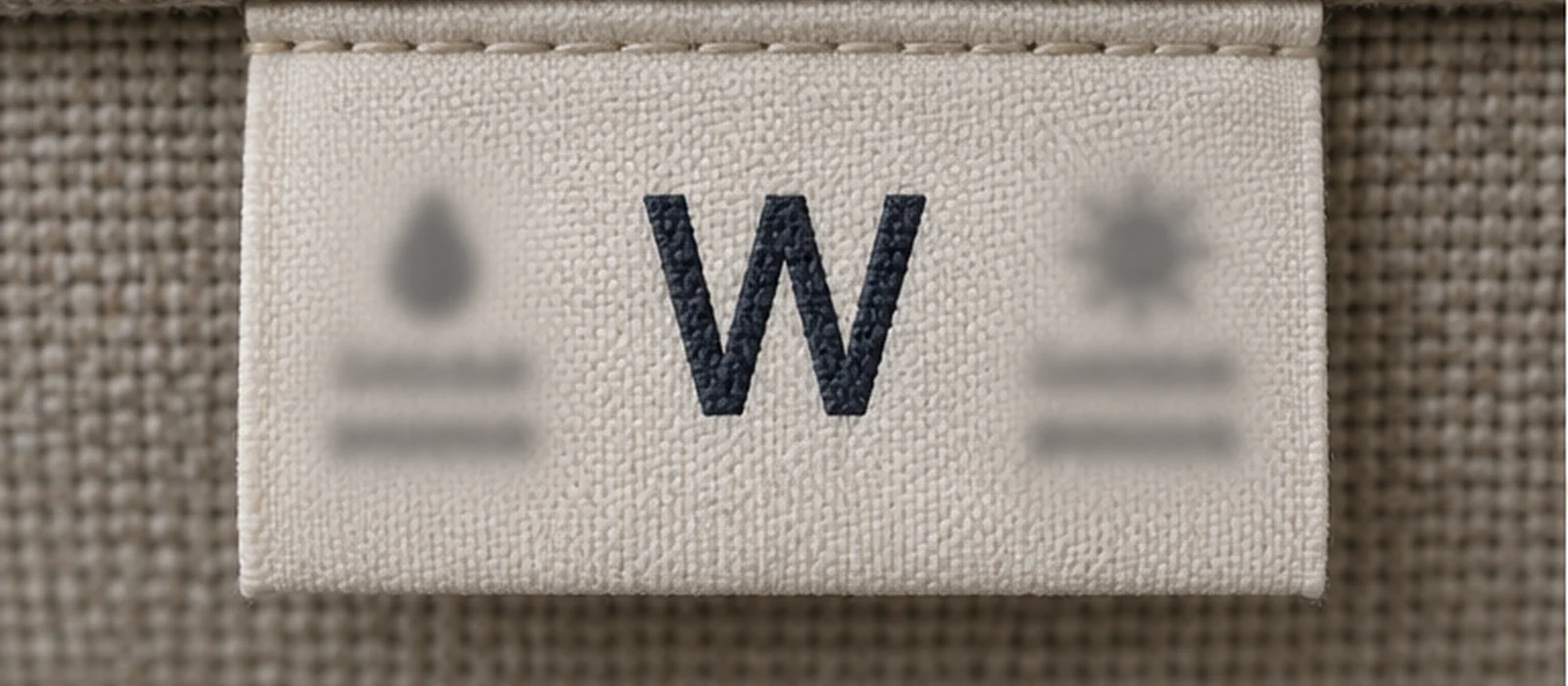
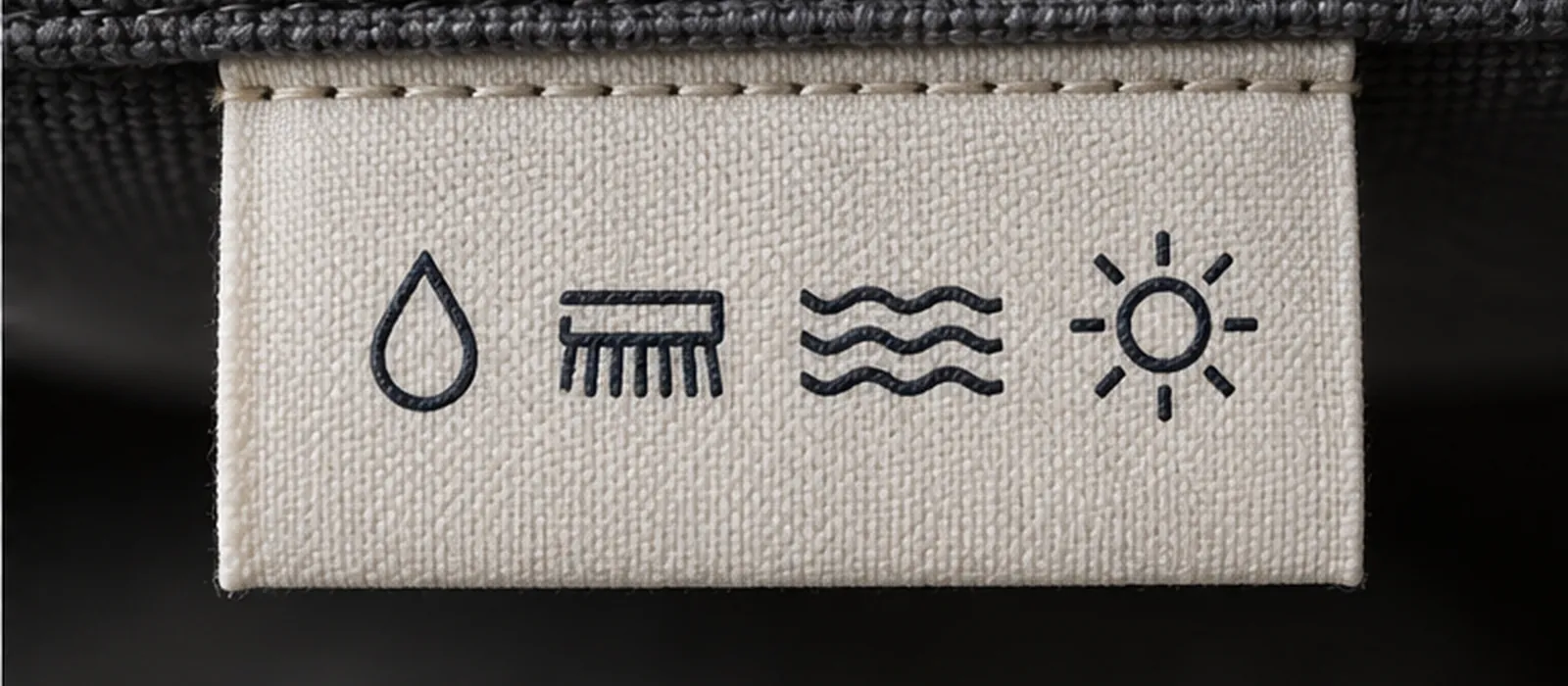
- Robust synthetic carpet, W-coded, in a room that can be ventilated and left alone for a day.
- Routine maintenance rather than rescuing something badly neglected.
- Where you use minimal detergent, do several dry extraction passes with no solution flowing, and set up airflow immediately.
Those conditions are not hard to meet, and within them the result is genuinely useful.
Where it is a bad idea
- Upholstery generally. A sofa cannot be dried the way a floor can. Moisture that reaches the foam stays there. The risk-to-benefit ratio is much worse than on carpet.
- Anything coded S or X, where the water is the specific prohibited thing.
- Wool, and any cellulosic or pale natural fibre, where browning risk is high and drying speed is the control.
- Velvet, chenille and other pile fabrics, where the machine’s brush and moisture cause mechanical damage that no amount of care afterwards reverses.
- Rugs of any value. These need controlled off-site cleaning.
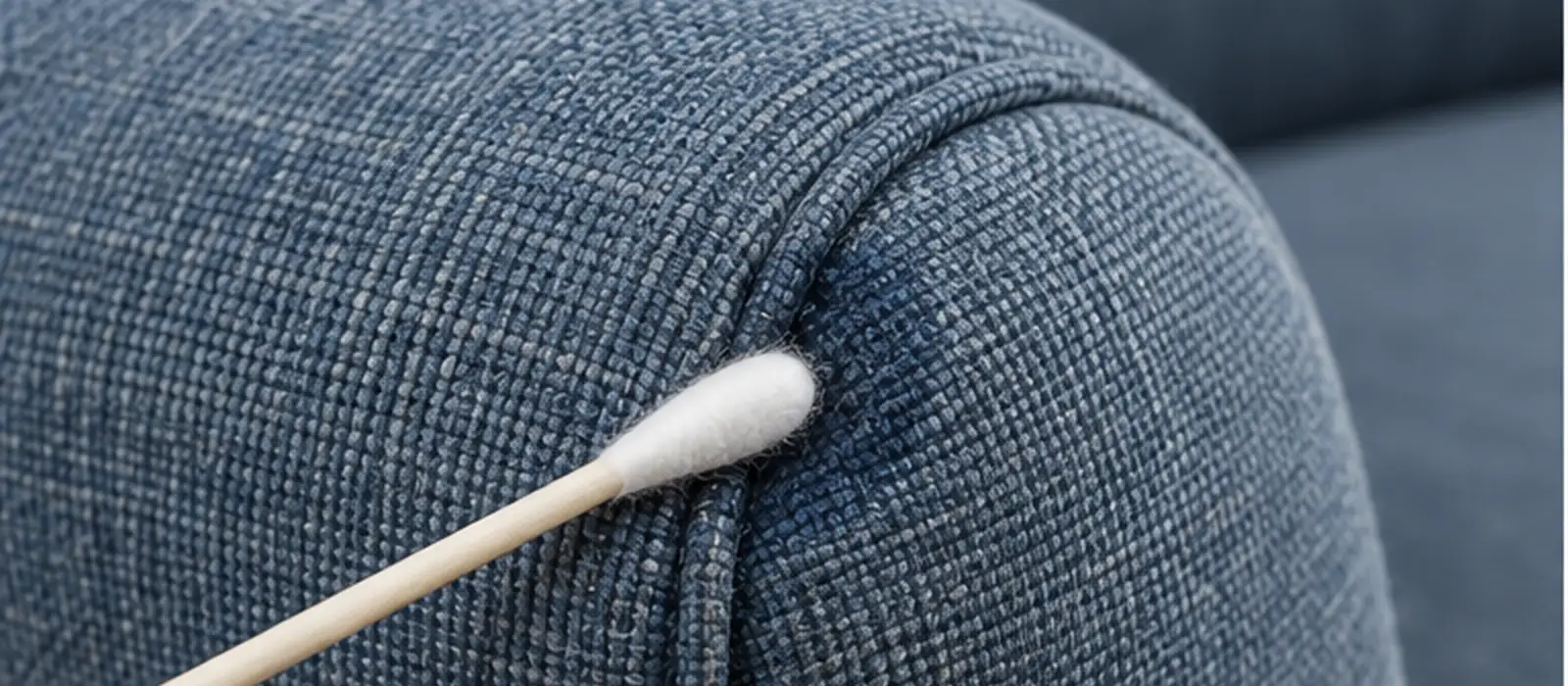
- A fabric that has not been identified or tested.
The honest framing
A hired machine is a reasonable tool for maintenance cleaning of durable carpet by someone prepared to under-use the detergent and over-use the extraction stroke. It is a poor tool for rescuing a badly soiled item, and a bad tool for upholstery.
The failure mode is not that it does nothing. It is that it does the first half of the job well and the second half — retrieval and rinsing — poorly, and the second half is where the damage is prevented.