Dry cleaning upholstery: the solvent route
What solvent cleaning is for, why the S code exists, and why 'dry cleaning' means two different things in the upholstery trade — one solvent-based, one merely low-moisture.
“Dry cleaning” is used loosely in the upholstery trade, and the looseness causes real confusion. It is worth separating the two things it refers to before anything else.
Two meanings
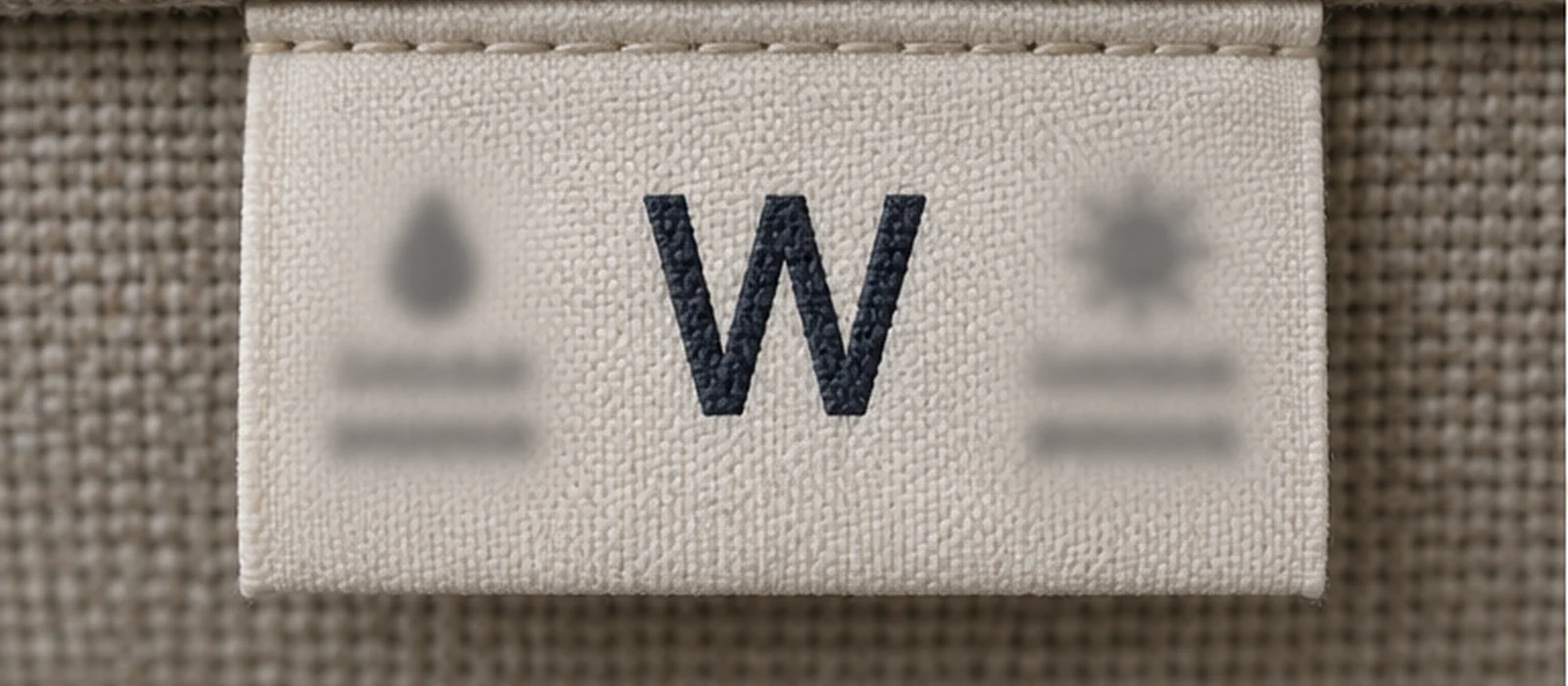
Solvent dry cleaning uses a water-free organic solvent as the cleaning medium. No water is involved at any point. This is the meaning that matters for an S-coded fabric, and it is the meaning the circle symbol on a care label refers to.
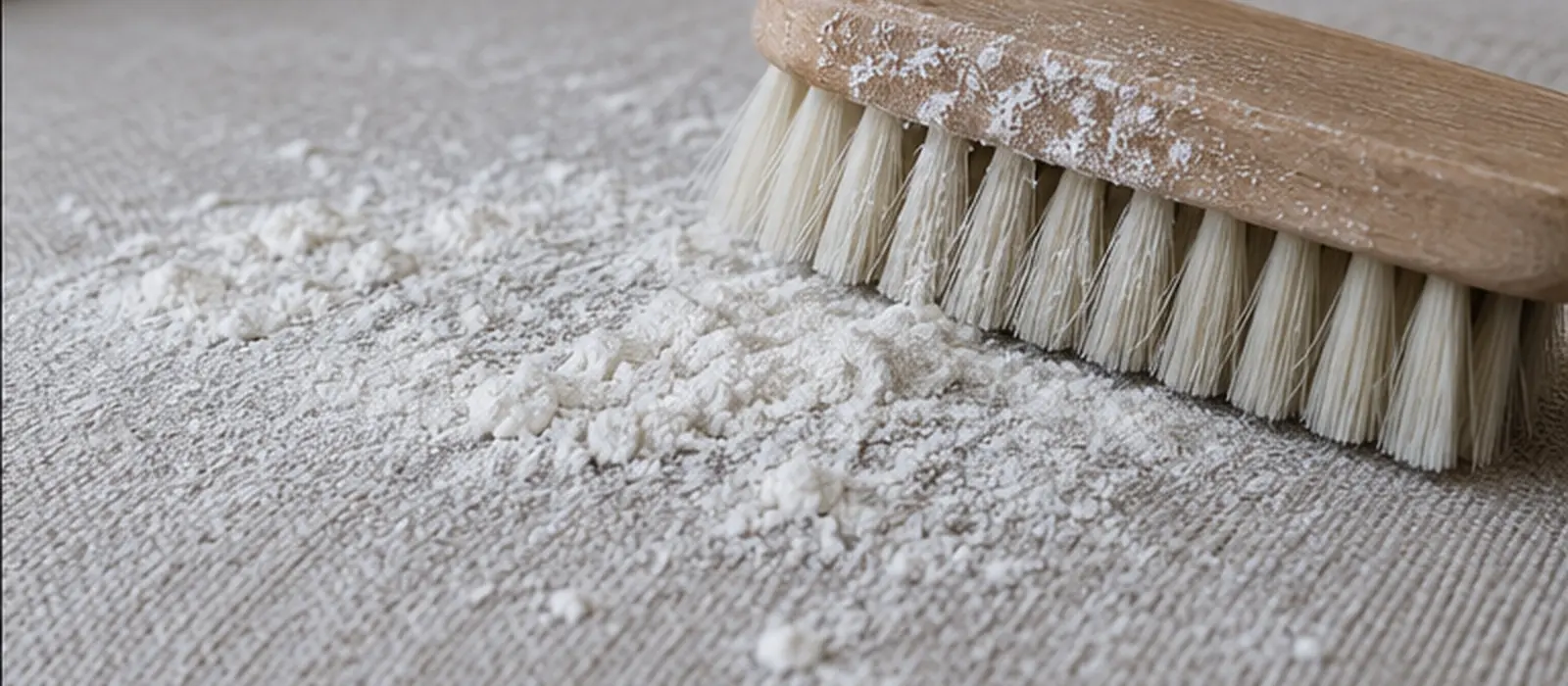
Low-moisture cleaning — encapsulation, bonnet work, dry compound systems — is often described as dry cleaning because it dries quickly and uses little water. It is not water-free. It is water-based cleaning with the water minimised.
The difference is not pedantry. On an S-coded fabric, a low-moisture water-based system is still water-based, and the code exists to forbid exactly that. A householder told their sofa was “dry cleaned” has learned nothing about which of these happened.
What solvent cleaning is for
Solvents are non-polar and dissolve non-polar soils: oils, greases, waxes and body oils. That is their genuine advantage, and it is why a greasy head-rest mark that water barely touches lifts readily in solvent.
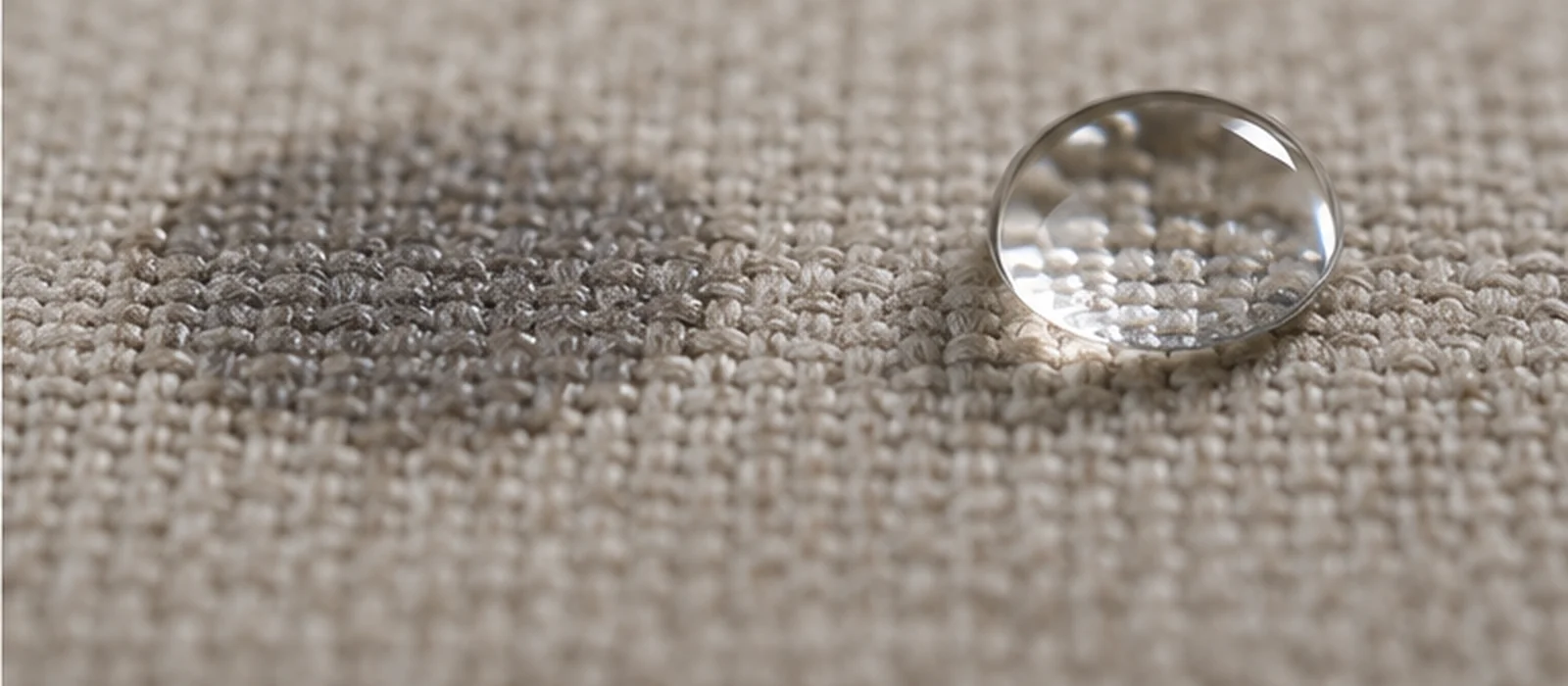
The second reason is fibre protection. Fabrics containing rayon, viscose and other regenerated cellulosics lose much of their strength when wet and shrink irreversibly; water is the hazard, not the chemistry of cleaning. Solvent avoids the hazard entirely. Fabrics prone to water rings and to browning are in the same position.
The archived practice on this domain framed the choice practically: the solvent-free-of-water route for delicate fabrics and lightly soiled items, the extraction rinse for heavier soiling. That is a reasonable summary of where the boundary sits.
What it will not do
Solvent does very little to water-soluble soils. Tea, coffee, wine, fruit juice, sugar residues, salt and perspiration are polar, and the solvent leaves them essentially where they were — or spreads them.
This is the awkward case that recurs throughout fabric care: a tannin spill on an S-coded fabric. The soil wants water; the fabric forbids it. There is no clean domestic answer, and the honest conclusion is that the piece needs someone with both chemistries, the equipment to control moisture precisely, and the training to judge which risk to take.
The letters in the circle
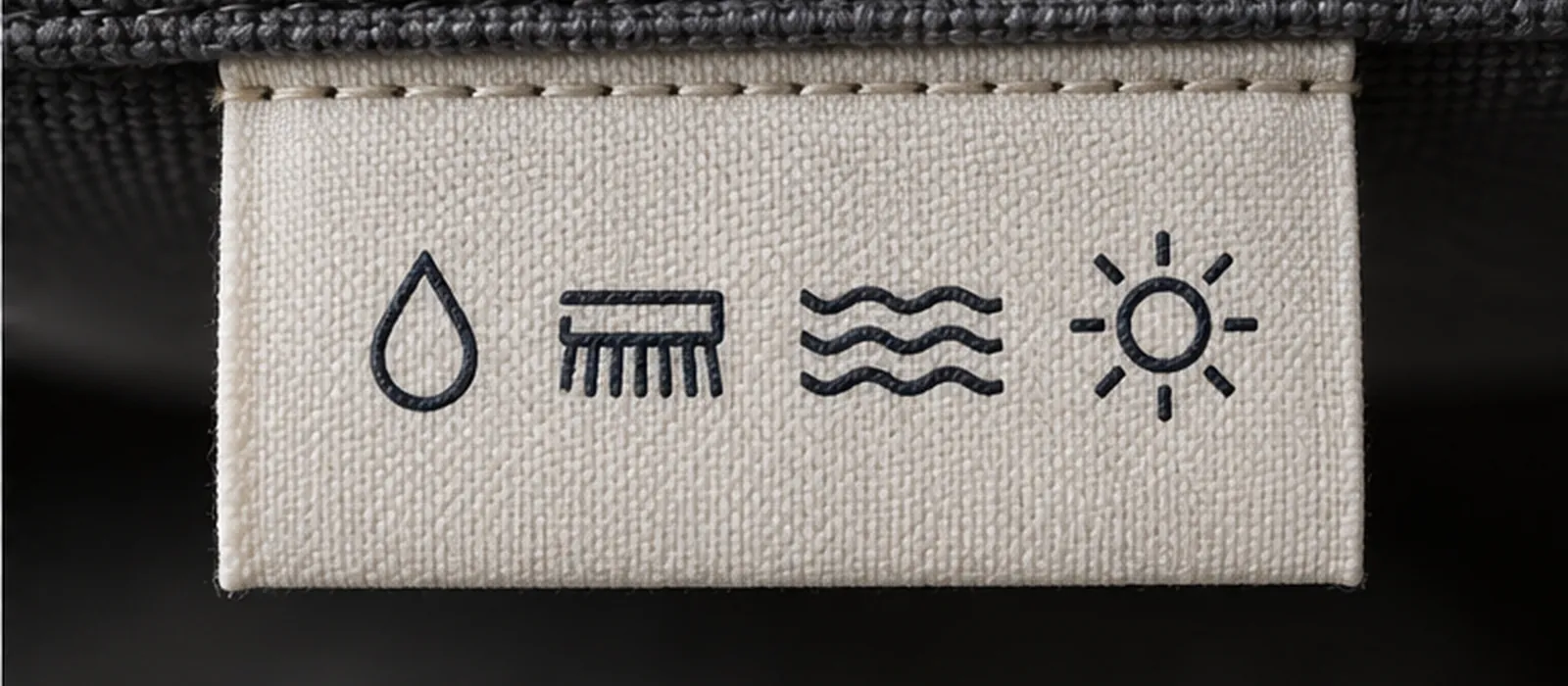
Where a care label carries a circle with a letter inside — commonly P or F — that letter tells a professional cleaner which solvent class the fabric was tested against. Bars beneath the circle call for a reduced-severity process.
These are instructions to a trade, not to a household. There is no domestic equivalent of the equipment, and no way to act on the distinction between solvent classes with products sold for home use. A crossed-out circle means no professional cleaning of that type at all — which, combined with an X code, leaves vacuuming as the only permitted intervention.
Practical constraints at home
Consumer solvent spotters exist and have a legitimate role on small greasy marks on S-coded fabric. They come with conditions that are easy to underrate:
Ventilation. Solvent vapour needs air movement, and an enclosed room with a sofa in it is not a well-ventilated space.
Flammability. Many solvents are flammable, which rules out heat sources and, obviously, smoking.
Backing and adhesive compatibility. Solvent can attack foam backings, latex and the adhesives used in upholstery construction. Damage to the back of a fabric is not visible until the face delaminates or the pile lets go.
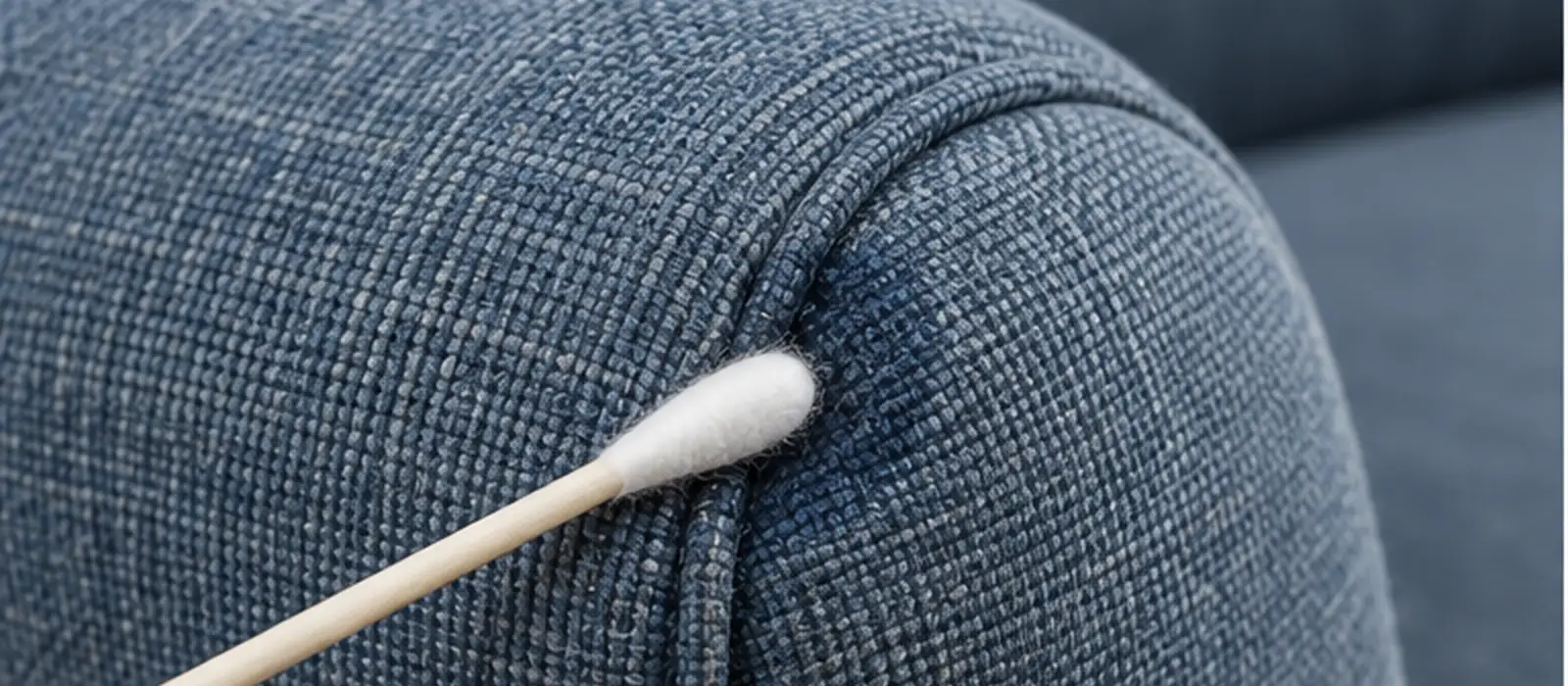
Testing. Solvent needs the same inconspicuous-area test as anything else. It removes dyes as readily as water does, just different ones.
For anything larger than a small spot, those constraints are the argument for the work being done by someone equipped for it rather than in a front room.