The domestic mistakes that cause permanent damage
Five habits account for most irreversibly damaged upholstery: over-wetting, heat on a protein stain, scrubbing pile fabric, bleach on wool, and treating before testing.
Ruined upholstery is rarely the result of exotic errors. Five habits account for most of it, and all five share a structure: a reasonable-sounding instinct, applied to a fabric where it is exactly wrong.
1. Over-wetting
The instinct: more water means more cleaning.
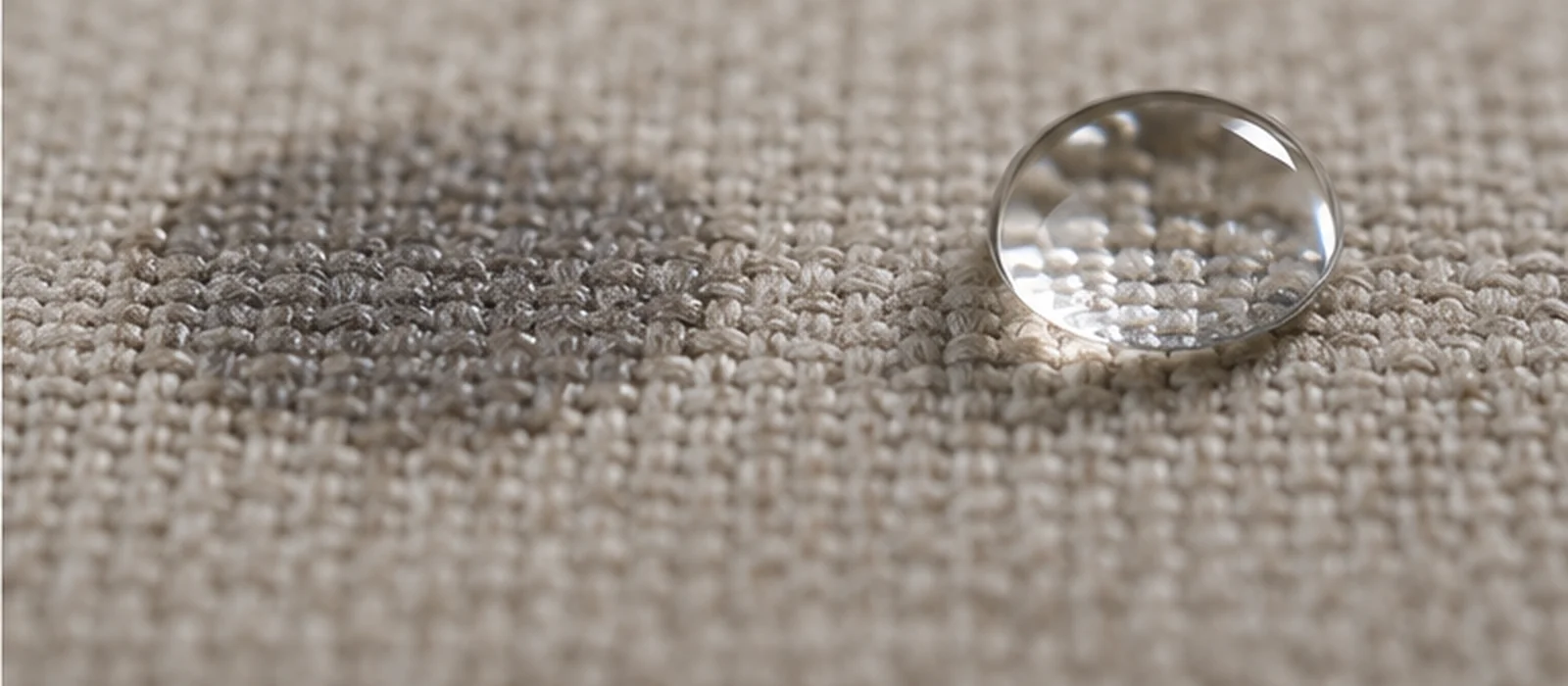
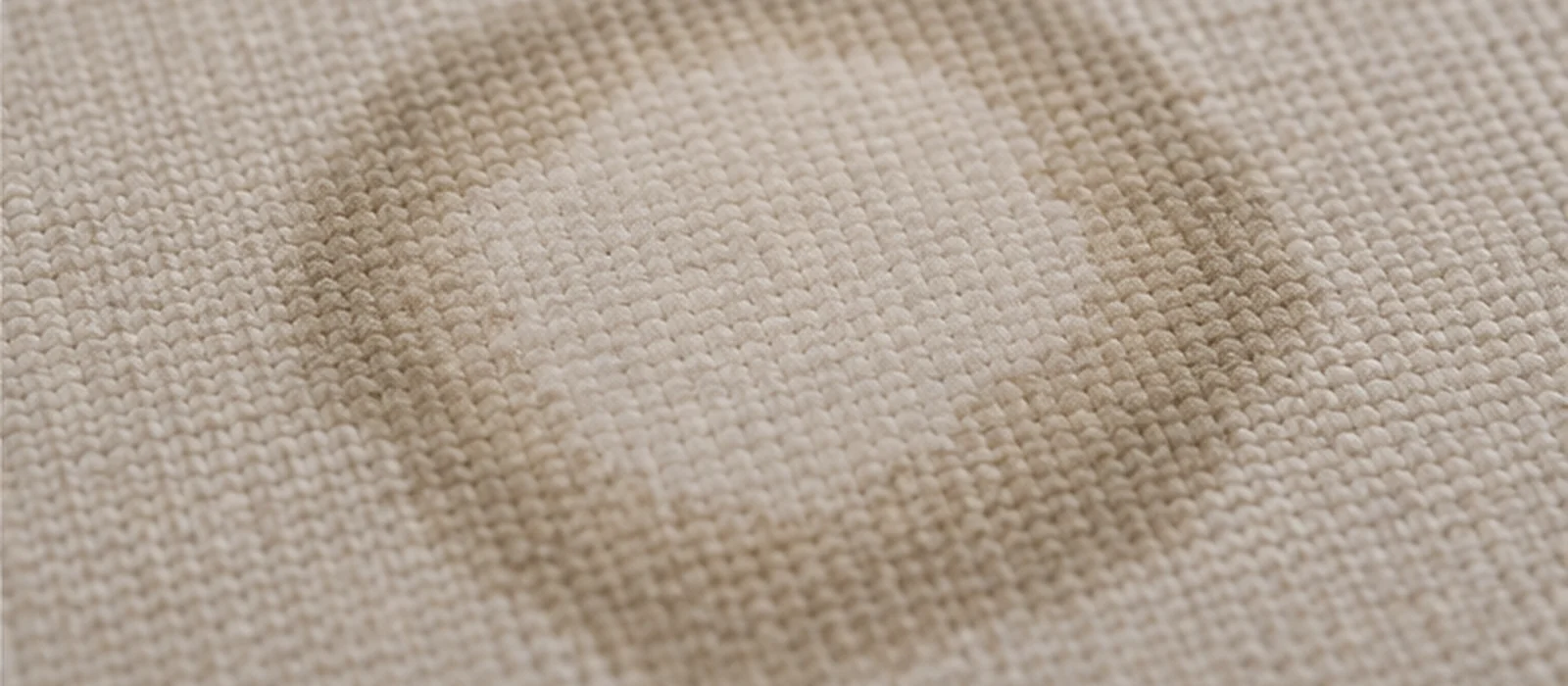
What happens: water goes where it cannot be retrieved — into the foam, the frame, the backing. It stays there for days. On the way out it carries dissolved lignin and soil back to the surface, producing browning and rings. In the meantime the damp interior of a sofa is a better environment for mould than anything else in the house.
Slow drying and over-wetting are two of the standard contributing factors to browning, alongside high alkalinity. All three are things the person cleaning controls.
The correction: the least moisture that will do the job, and the fastest drying you can arrange. On upholstery this generally means several light applications with blotting between, not one saturating one.
2. Heat on a protein stain
The instinct: hot water cleans better.
What happens: heat denatures protein. The molecule unravels and re-tangles into a new permanent shape and bonds itself into the fibre — the same reaction that sets an egg white. Blood, milk and egg treated with hot water are set, not cleaned, and no subsequent treatment undoes it.
The same applies to any heat source: a hairdryer used to speed drying over an untreated protein mark does the same job as hot water.
The correction: cold water on anything that might be protein, and no heat until you are certain the mark has gone.
3. Scrubbing a pile fabric
The instinct: work at it harder and it will come out.
What happens: on velvet, the pile is pushed flat and dries flat, and the area reads as a pale shadow forever — not because anything is there, but because flattened fibres reflect light differently from upright ones. On chenille, the loosely held projecting fibres are pulled out of the yarn, leaving a bald patch. On wool, the combination of moisture, heat and mechanical action felts the fibre into a hardened matted area.
In every case the damage is caused by the effort, not the stain.
The correction: blotting is the technique. Press, hold, lift, repeat on a clean part of the cloth. On pile fabrics, grooming with a soft brush in the direction of the nap is the only mechanical action that helps.
4. Bleach on wool
The instinct: it is a stubborn stain on a light fabric, and bleach removes stains.
What happens: wool is a protein, and bleach attacks the protein structure. This is not a colour change that could be corrected — it is destruction of the fibre, leaving yellowing, harshness and permanent loss of strength. The published guidance is categorical: never use bleach on wool, chlorine or oxygen based.
The trap is that “bleach” is broader than the bottle labelled bleach. Oxygen stain removers, many general-purpose household sprays, and a large share of laundry products contain bleaching agents. Biological detergents cause a related failure by a different route: their protease enzymes digest protein soils, and wool is a protein soil.
The correction: on wool, neutral products, cool water, and nothing containing bleach or enzymes.
5. Treating before testing
The instinct: it is a small mark and a mild product, so a test is a formality.
What happens: dye bleeds. Once colour has migrated, the fabric is a different colour in a different pattern, and there is no repair. Unlike every other failure on this list, colour bleed cannot be partially recovered.
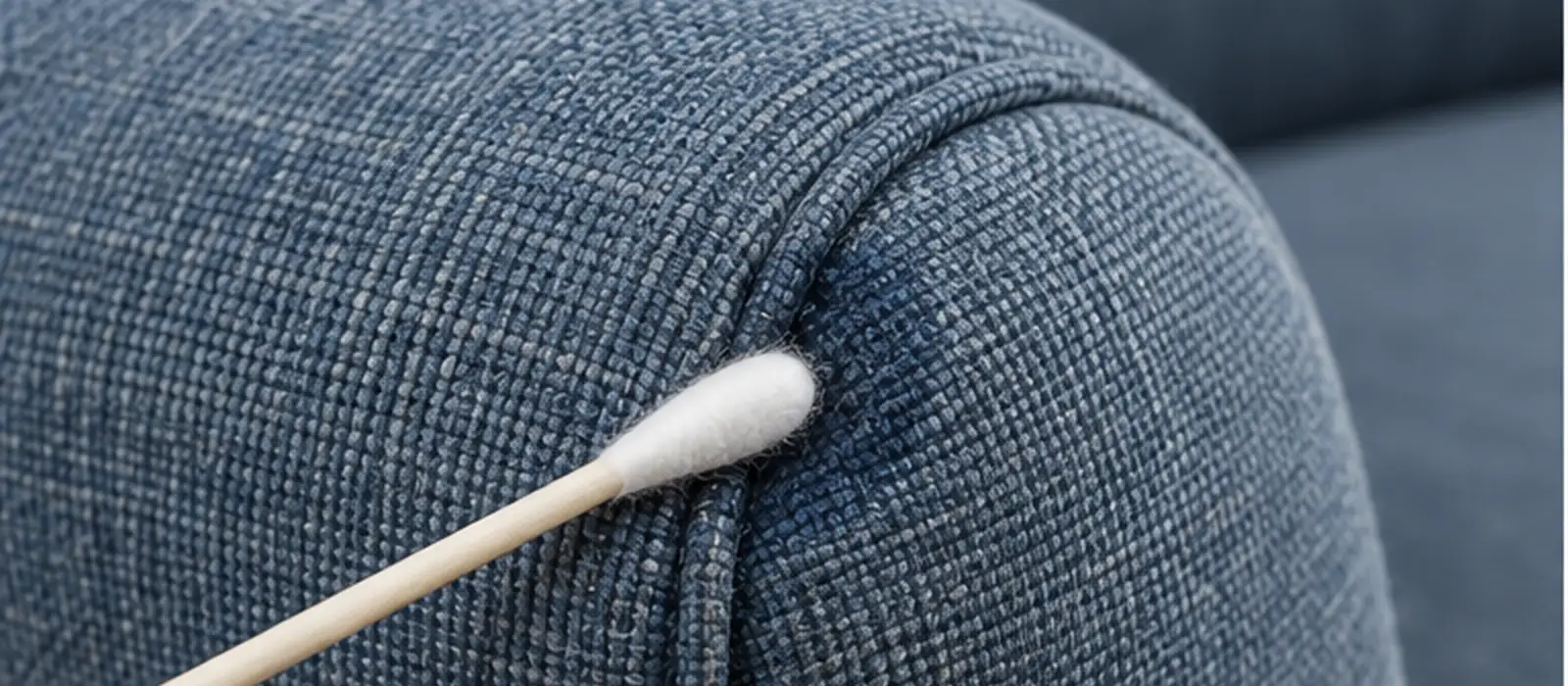
The correction: a few drops in a hidden place, blotted onto white cloth, at the dwell time you intend to use. Two minutes.
What they have in common
Each mistake is an escalation — more water, more heat, more force, a stronger product, less patience — applied at the moment when de-escalation was correct. The general rule that falls out of all five is unglamorous but reliable: on upholstery, when something is not working, the answer is almost never more.