Christmas stains: mulled wine, candle wax and chocolate on fabric
The festive stains that turn up on sofas and armchairs in December: mulled wine, candle wax and chocolate. What each one is made of, how to treat it, and what to avoid before the guests arrive.
The Christmas period brings a different set of stains into the living room. Mulled wine on the armchair, candle wax on the sofa arm and chocolate pressed into the cushions all turn up in December. Each one is made of different ingredients, so each needs a different approach. Here is what they are, how to treat them, and what to avoid so a small accident does not become a permanent mark.
Mulled wine: tannin, sugar and spice
Mulled wine is a red wine stain with extra ingredients. The wine supplies tannins, which cause the colour, and the sugar and spices leave a residue that can make the area feel sticky once it dries. Cinnamon and clove can also leave their own colour on lighter fabrics.
Blot first, using a dry white cloth and pressing rather than rubbing. Then flush the area with cold water from the back of the fabric where you can, so the stain is pushed out rather than deeper in. Cold water is important here, because heat sets tannin and makes it harder to remove. A light solution of washing-up liquid in cold water can then be used to lift the sugar, followed by a blot with clean water.
If the stain has already dried, the sugar may still hold the colour in place. Repeat the cold-water and detergent steps, allowing a few minutes of dwell time between each. For more detail on tannin stains, see our guide to stain groups , which explains why the chemistry matters.
Candle wax: let it harden, then lift
Candle wax is a different problem altogether, because it is solid and will spread if you try to wipe it while it is soft. The first step is to leave it alone until it has set. Once it is hard, scrape off as much as you can with a blunt edge, such as a plastic spatula or the back of a spoon. Do not use anything sharp, which can cut the fabric.
The traditional way to remove what is left is to lay a sheet of brown paper or plain kitchen paper over the wax and press it with a warm iron on a low setting. The paper absorbs the melted wax as it softens. Move to a clean section of paper as it fills, and stop when no more wax comes through.
Be careful with heat on synthetic fabrics and on anything with a coating. Test a hidden area first, and keep the iron moving. Once the wax is gone, any remaining colour from a coloured candle can be treated as a dye stain, with a small amount of cold-water detergent on a white cloth.
Chocolate: fat, protein and sugar
Chocolate combines fat, sugar and milk proteins, so it behaves differently from wine or wax. Milk proteins can set if they are heated, which is why hot water is a poor choice. Start by scraping off any solid chocolate and blotting up any soft residue.
Then work with cold water and a little washing-up liquid. Dab rather than rub, and rinse the area with clean cold water afterwards. Chocolate with a high cocoa content can leave a brown tint, so repeat the cold treatment if the colour remains. If a chocolate stain has been left overnight, it is worth asking a professional cleaner to look at it, since the fat may have soaked deeper into the fabric.
What to avoid over the holidays
A few habits make festive stains worse. Rubbing spreads the mark and can damage the weave. Hot water and steam set tannin and protein stains, so they should wait until the area is clean. Strong stain removers used in a hurry can react with the dye, and a bleach-based product can leave a pale patch that is harder to treat than the original mark.
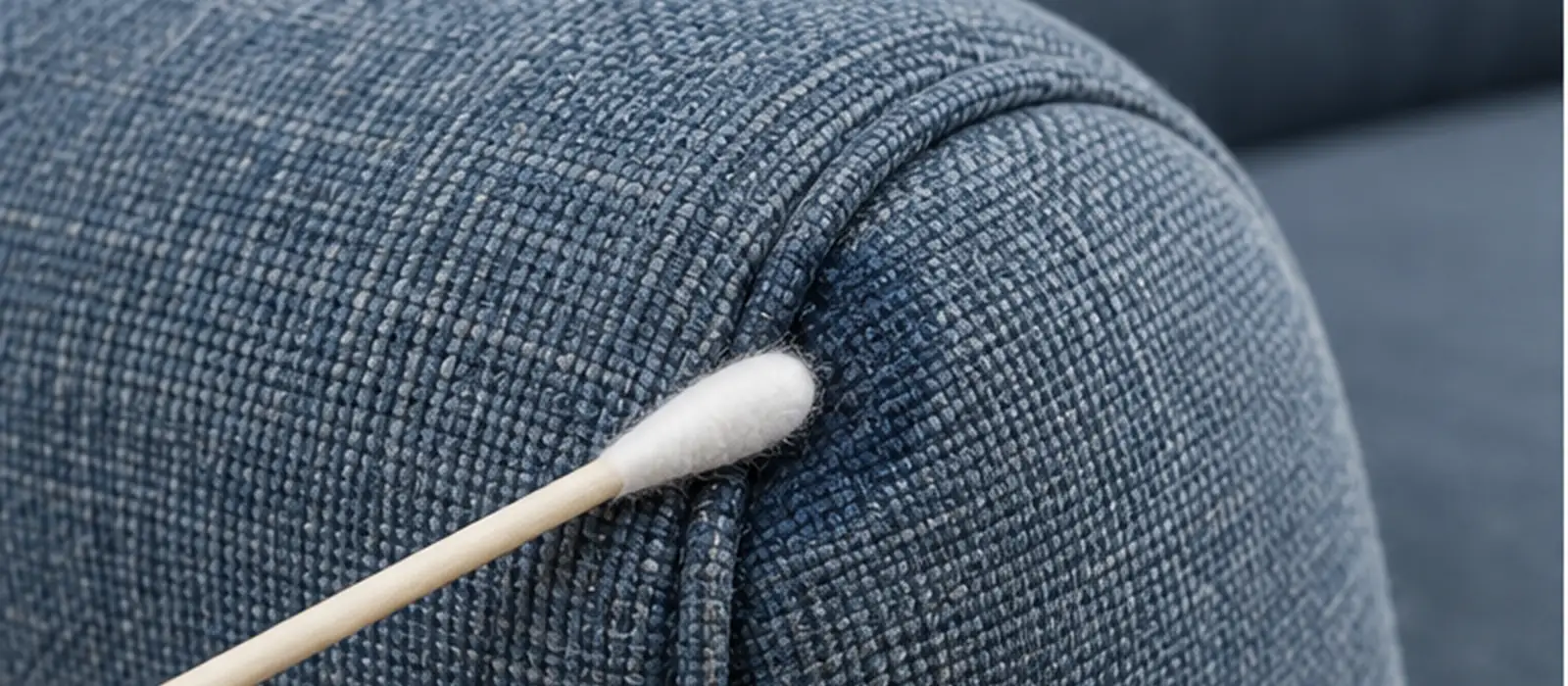
It also helps to test any product on a hidden area first. A corner of the fabric under a cushion or the underside of an arm is usually suitable. Wait a few minutes and check for colour transfer onto a white cloth. If the cloth picks up colour, stop and try a gentler method.
Protect the room before the guests arrive
A few simple steps reduce the risk. Keep a small bottle of cold water, a stack of white cloths and a roll of kitchen paper within reach of the drinks table. Put a washable throw or a cover on the arm of the sofa where candles tend to be placed, and keep naked flames away from upholstered edges. For a seat that is used every evening, a removable cover is worth considering.
Think about placement too. A candle on a side table, away from the arms of the chair, is far less likely to drip. A mug of mulled wine on a coaster is less likely to leave a ring that becomes a stain.
When to call a professional
Some stains do not come out at home, especially if they are old, large or on a delicate fabric such as silk or velvet. If you have tried gentle cold-water and detergent treatments and the mark is still there, stop before you cause more damage. A professional cleaner has stronger products, and can identify the fibre and dye before treating it. Our guide to when a professional is needed sets out the signs to look for.
Key points
- Mulled wine is a tannin stain with sugar and spice, so blot first and use cold water rather than hot.
- Leave candle wax to harden, scrape off the excess, then lift the rest with paper and a warm iron on a low setting.
- Chocolate contains fat and milk protein, so scrape it, then treat with cold water and a little washing-up liquid.
- Avoid rubbing, hot water and steam on festive stains until the area is clean.
- Test any product on a hidden area before using it on the visible fabric.
- Keep cold water, white cloths and kitchen paper near the drinks, and call a professional if a stain will not shift.
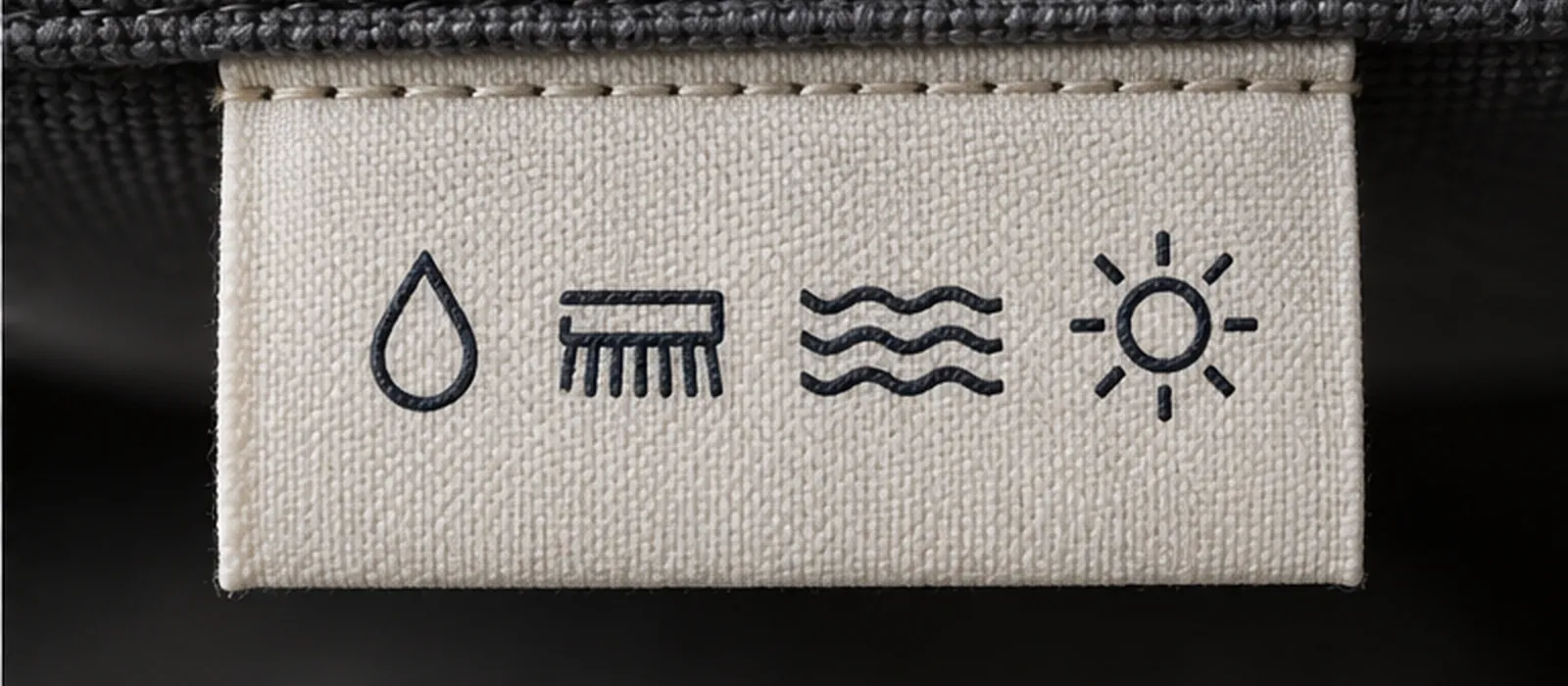
Information is as of 13 November 2026. Fabric and dye vary, so always check the care label and run a colourfastness test before treating a stain.