Carpets and rugs: the same chemistry, a different construction
Carpet shares its cleaning chemistry with upholstery and differs in construction, soil load and drying. What carries over from soft-furnishing care, and what does not.
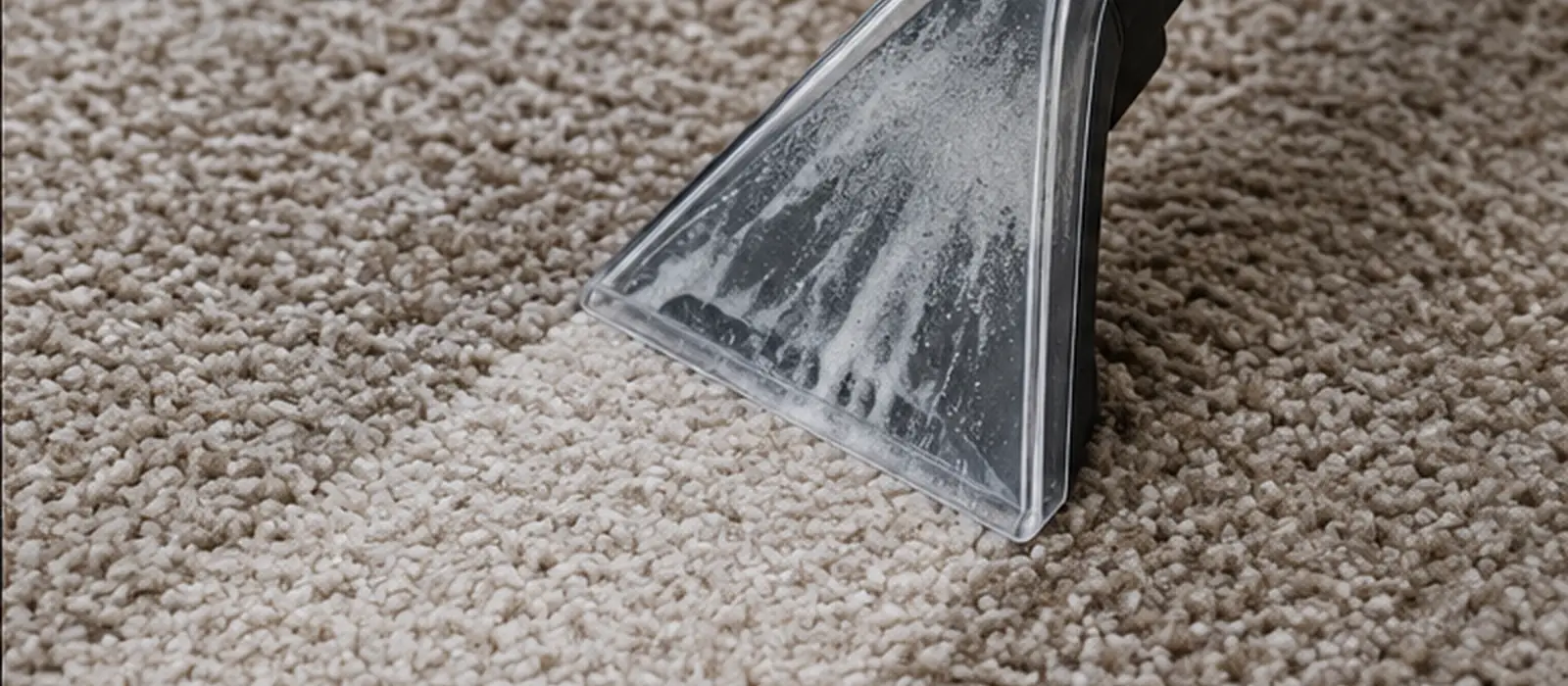
Carpet and upholstery are usually cleaned by the same people using the same chemistry, and most of what applies to one applies to the other. The differences are worth setting out, because they change which risks matter.
What carries over unchanged
The fibre families are the same, and they behave the same way: wool is destroyed by bleach and enzymes, cellulosics brown, synthetics hold oil. The stain groups are the same, and so are their opposed treatments. Colourfastness testing is the same procedure with the same rule that any colour on the white cloth is a fail. Wicking, browning and over-wetting are the same mechanisms.
The methods are the same three: hot-water extraction for depth, low-moisture and encapsulation systems for speed and safety, solvent work where water is forbidden.
What is different
Soil load and soil type. Carpet is walked on, and takes in grit, outdoor soil and tracked-in material at a rate upholstery never approaches. Something like 80 to 85% of the soil in a carpet is dry particulate — dust and grit rather than anything greasy or dissolved.
That single figure drives the most important practical difference: vacuuming matters far more on carpet than anywhere else, and vacuuming before any wet work matters most of all. Wetting dry grit converts a removable solid into mud and drives it into the pile.
Abrasion. The grit is not just soil; it is an abrasive being ground into the pile underfoot. Carpet that looks worn in traffic lanes has often been cut by its own soil rather than worn by feet. Upholstery has nothing comparable.
Drying. A carpet lies flat on a floor and can be dried with air movers over its whole surface. A sofa is a closed structure with foam inside. Carpet takes longer to dry in absolute terms — eight to ten hours or more after extraction is normal — but it can be dried deliberately. Upholstery interiors cannot.
Backing. Carpet frequently has a jute backing, which is cellulosic and is a classic browning source. The discolouration arrives at the face from a layer the cleaner never sees.
Pile recovery. Carpet pile is more robust than upholstery velvet and recovers from crushing more readily, but pile distortion in traffic lanes is still a real and largely permanent effect.
Rugs are a separate case
A rug is not a small carpet for cleaning purposes. Many are wool, many are hand-made, many have unstable dyes, and a good number have a cotton foundation that will brown enthusiastically. The combination of natural fibre, saturated traditional dyes and a cellulosic foundation is the worst case for in-situ wet cleaning.
Rugs of any value are normally cleaned off-site, immersed and controlled in ways that are not possible on a floor. Treating a decorative wool rug with the same approach used on a synthetic fitted carpet is a common and expensive error.
Where to check credentials
The National Carpet Cleaners Association, established in 1968, is the UK trade body covering carpets, hard flooring, upholstery, curtains and other soft furnishings. Its members complete the association’s training or an equivalent, carry insurance, and work to a code of practice — which is a useful filter given that the trade has no statutory licensing.
For wool specifically, the WoolSafe scheme certifies products for use on the fibre and is re-evaluated annually, which removes a guess on the single fibre where the wrong product does irreversible damage.
The short version
If you understand upholstery cleaning, you understand carpet cleaning with three adjustments: vacuum much more and much earlier, expect much longer drying, and treat any jute backing as a browning risk regardless of what the face fibre is.