After a games night: wine, crisps and felt-pen stains, plus care for poker felt and gaming chairs
Board game nights leave distinctive stains: red wine, crisp grease, felt-pen marks on fabric and gaming table felt. How to treat each one and how to care for gaming furniture.
A games night leaves debris: empty crisp packets, wine glasses, felt-tip pens left uncapped, crumbs in the sofa. The furniture left behind often has distinctive stains. Here is how to treat the damage.
Red wine on fabric
Red wine is a tannin stain. It is easier to treat fresh than set. Treat within the first hour if you can.
Blot first. Do not rub. Use white tissue or a white cloth. Press, lift, press again. Remove as much liquid as possible before any product touches the fabric.
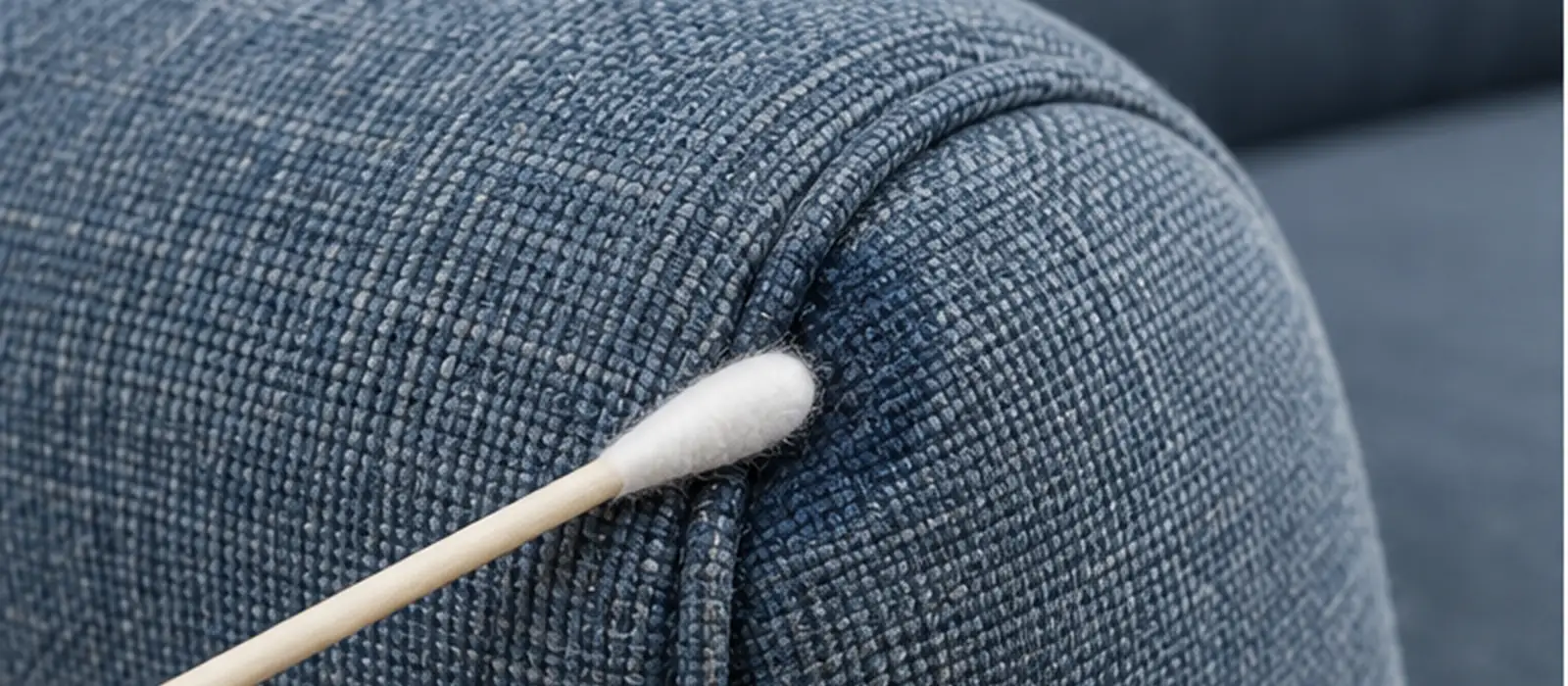
Test for colourfastness. Red wine products are acidic and can affect some dyes. In a hidden corner of the sofa, apply a small amount of your chosen treatment, wait 5 minutes, and blot onto white cloth. If colour comes out, stop and try a different approach.
Light treatment: salt and cold water. Sprinkle table salt on the wet stain (it absorbs liquid), wait 2 minutes, brush off the salt and blot with cold water. This is often enough for a fresh spill.
Medium treatment: white vinegar dilution. Mix one part white vinegar to three parts water. Apply with a spray bottle, let it dwell for 3–5 minutes, and blot with white cloth. The acidity breaks down tannins. Allow to dry. Repeat if needed.
Strong treatment: specialist wine stain remover. Products made for wine (such as those used by carpet cleaners) work, but follow the product instructions carefully and test first. Dwell time is usually 5–10 minutes.
Final step: rinse and dry. Once the stain is gone, rinse the area with clean water (spray lightly, blot), and allow to dry fully. Damp fabric invites mould and musty odours.
If the stain has set (it has been there more than a few hours): Professional cleaning is your best option. Home treatment may not fully remove a set tannin stain, but professionals have stronger products and better equipment.
Crisp grease and savoury stains
Crisp and snack residue is a combination of grease (soluble in solvents) and salt. It leaves a subtle stain that often goes unnoticed until the fabric is cleaned.
Blot any wet residue first. If there is visible grease, use a dry cloth or tissue to absorb it before treating.
Test for colourfastness. Grease treatments can affect dyes, particularly on synthetic fabrics. Test in a hidden area.
Treatment: mild detergent solution. Mix a few drops of washing-up liquid (the kind used for hand-washing dishes) in cold water. Apply sparingly with a cloth or spray, let it dwell for 3 minutes, and blot with damp white cloth. Do not over-wet. Grease stains are worse when trapped under too much moisture.
Dry thoroughly. Use a dry cloth to press out any remaining moisture. Air-dry the rest. Do not leave the fabric damp.
If the stain persists: A second application of the detergent solution, with longer dwell time (5–10 minutes), often works. If grease has soaked into the backing, professional dry-cleaning may be needed.
Felt-tip pen marks
Felt-tip pen (marker pen) can be permanent or water-based. The fabric’s absorbency and the pen’s composition decide the outcome.
Identify the pen type first. Try a damp cloth on an inconspicuous area. If the mark lightens, it is water-based and treatable. If it does not change, it is permanent marker and will not come out.
For water-based pen:
- Cold water and blotting. Dampen white cloth, blot the mark repeatedly. Change to clean cloth sections as you remove colour.
- Detergent solution. If water alone does not fully remove it, use the mild detergent solution (washing-up liquid + cold water) and blot.
- Rubbing alcohol (for synthetic fabrics only). If the stain is still there, dab (do not rub) with a cloth moistened in rubbing alcohol. Test on a hidden area first—alcohol can affect some dyes and fabrics.
For permanent marker:
Permanent marker cannot be removed from fabric. Your options are:
- Accept the mark.
- Use a cushion cover to hide it.
- Have the cushion re-upholstered.
- Commission a professional upholsterer to patch or dye over the area.
Prevention: Make it clear before the games night that uncapped pens are not welcome on furniture.
Care for gaming table felt
Poker felt and gaming table cloth are delicate. The felt is usually wool-rich or synthetic blend, and it is easily damaged by moisture and friction.
Spills on felt: Blot immediately with white cloth. Do not rub. If wine or liquid has spilled, you have the same window as fabric (within the first hour is critical). Use the same treatments as for fabric (salt, then vinegar solution).
General care:
- Keep the felt dry between games. If it is left with damp from a spill or cleaning, mould or odour can develop.
- Brush gently with a soft brush to raise the nap if it has been compressed by play.
- Do not use hot water on felt—use only cool or cold water for cleaning.
- If felt is stained beyond home treatment, professional cleaning is the only option.
Long-term protection: If you have an expensive gaming table, consider a felt protector product (applied like a fabric guard) or a protective cloth cover when the table is not in use.
Gaming chair care
Gaming chairs are usually synthetic upholstery (leather-look PU, mesh fabric, or woven textile) with a foam cushion.
Crumbs and debris: Vacuum or brush out crumbs after each game. Food debris trapped in the seams can attract insects or develop odours.
Liquid spills on synthetic leather: Wipe immediately with a slightly damp cloth. Synthetic leather is not very absorbent, so quick action prevents seeping into the seams.
Liquid spills on mesh or fabric: Blot with white cloth, same method as sofa. Mesh upholstery dries fast, which is good. If liquid reaches the foam underneath, it can take days to dry and may smell.
Stains on gaming chair fabric: Treat as you would any upholstered furniture. Test first. Allow to dry fully.
Grease and smell from prolonged use: Gaming chairs accumulate body oils and dust. Every few months (or more often if used daily), vacuum the seams and wipe with a dry cloth. If the chair smells musty, spray lightly with white vinegar solution (1 part vinegar to 3 parts water), allow to dry with ventilation, and vacuum again.
Damaged mesh or foam: If the mesh tears or the foam compresses permanently, the chair has reached the end of its life. Replacement is easier than repair.
What not to do
Do not:
- Rub any stain. This spreads it and damages the fabric.
- Use hot water on wine or any tannin stain. Heat sets the stain permanently.
- Leave treated fabric damp. This invites mould and musty smell.
- Apply multiple products in quick succession without testing. You do not know what will react with what.
- Assume permanent marker can be removed. It cannot, on most fabrics.
- Ignore spills “because it is just a games night.” The first hour is the difference between a stain you remove and a stain you live with.
Key points
- Blot all spills within the first hour, before they set.
- Use white cloth only, and work from the outside of the stain inward.
- Red wine needs acid (vinegar or specialist product); grease needs mild detergent; felt-pen marks need cold water (water-based) or cannot be removed (permanent).
- Test any product in a hidden area first to check for colour transfer.
- Dry thoroughly after cleaning. Damp fabric leads to smell and mould.
- Gaming table felt should not be left wet. Felt dries slowly and can smell musty.
- Gaming chairs are easy to maintain: vacuum regularly, wipe spills immediately, ventilate if musty.
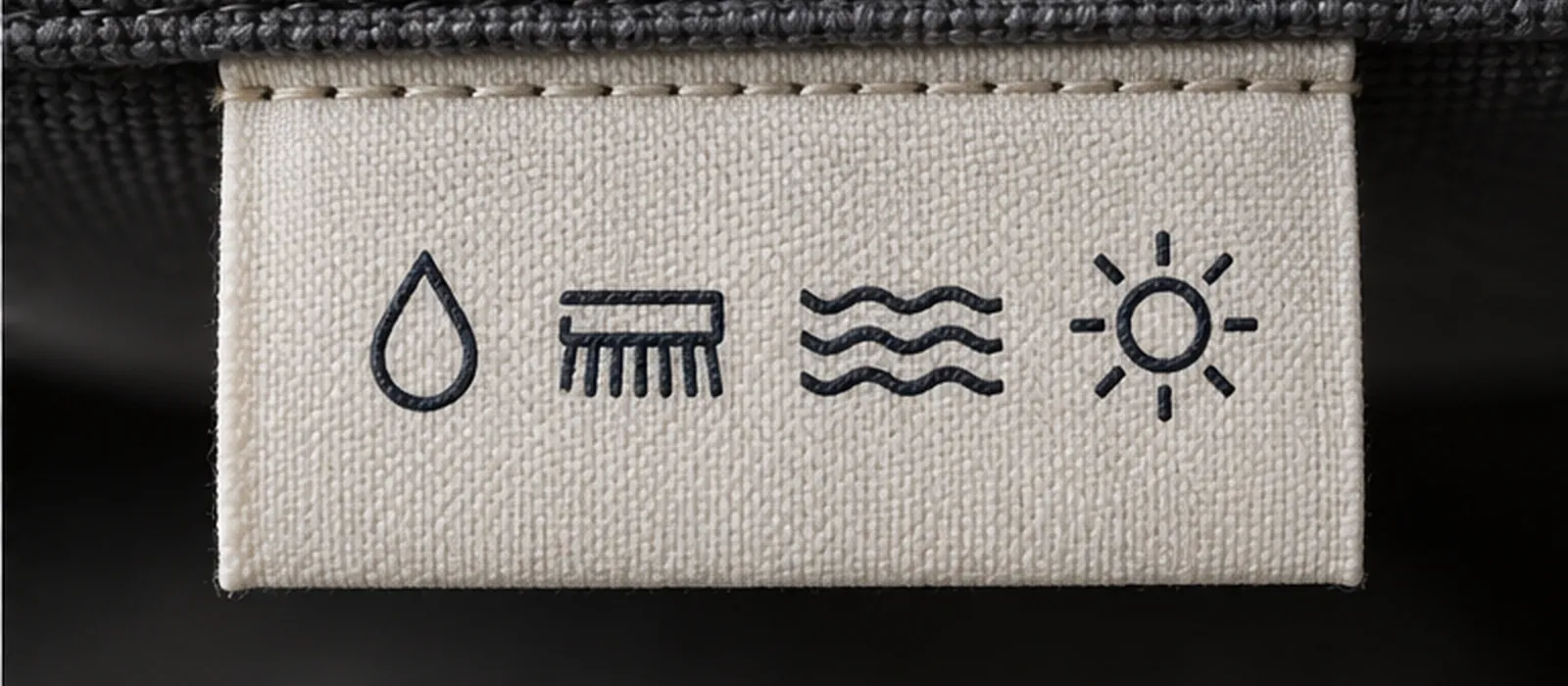
Information is as of October 2026. Stain treatment varies by fabric content and dye stability. If you are unsure of your fabric’s content, check the care label or contact the furniture maker. Professional cleaning is always an option if home treatment fails.