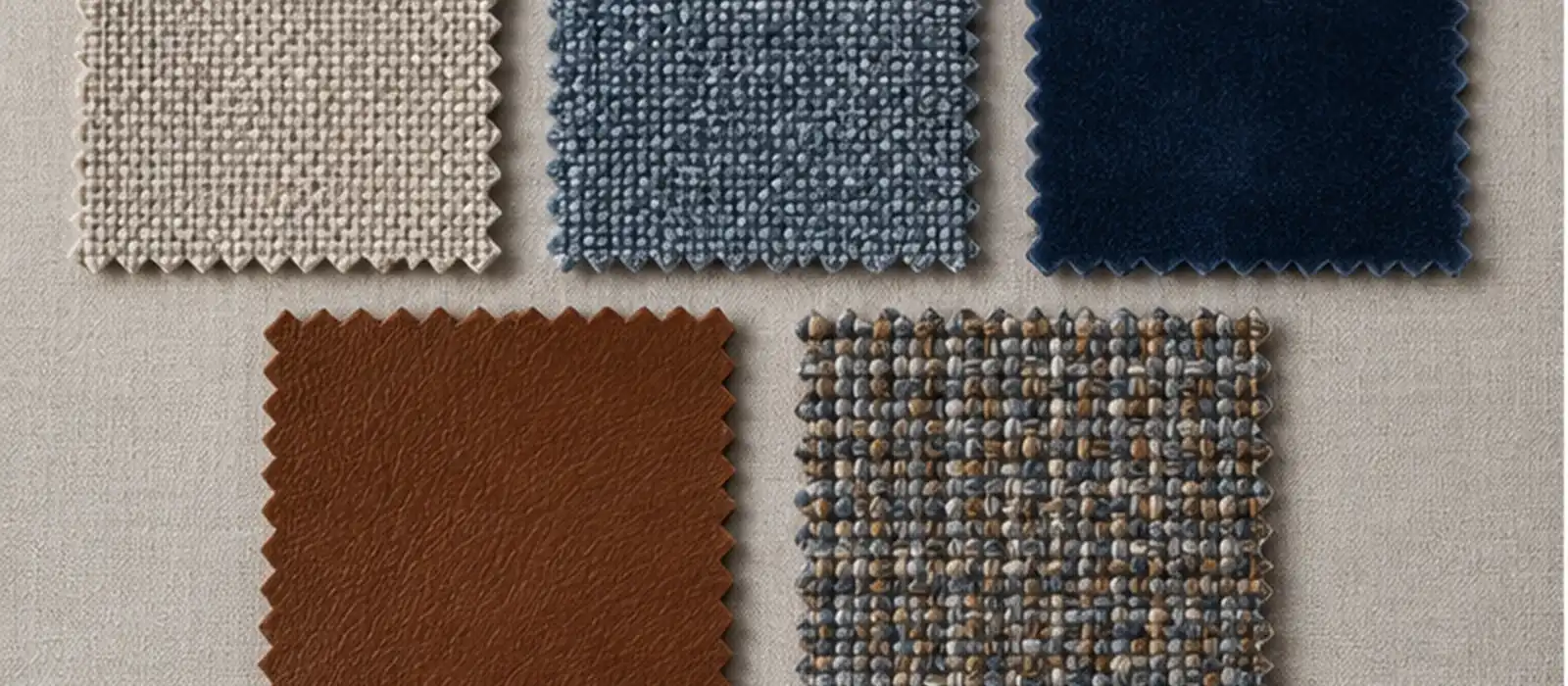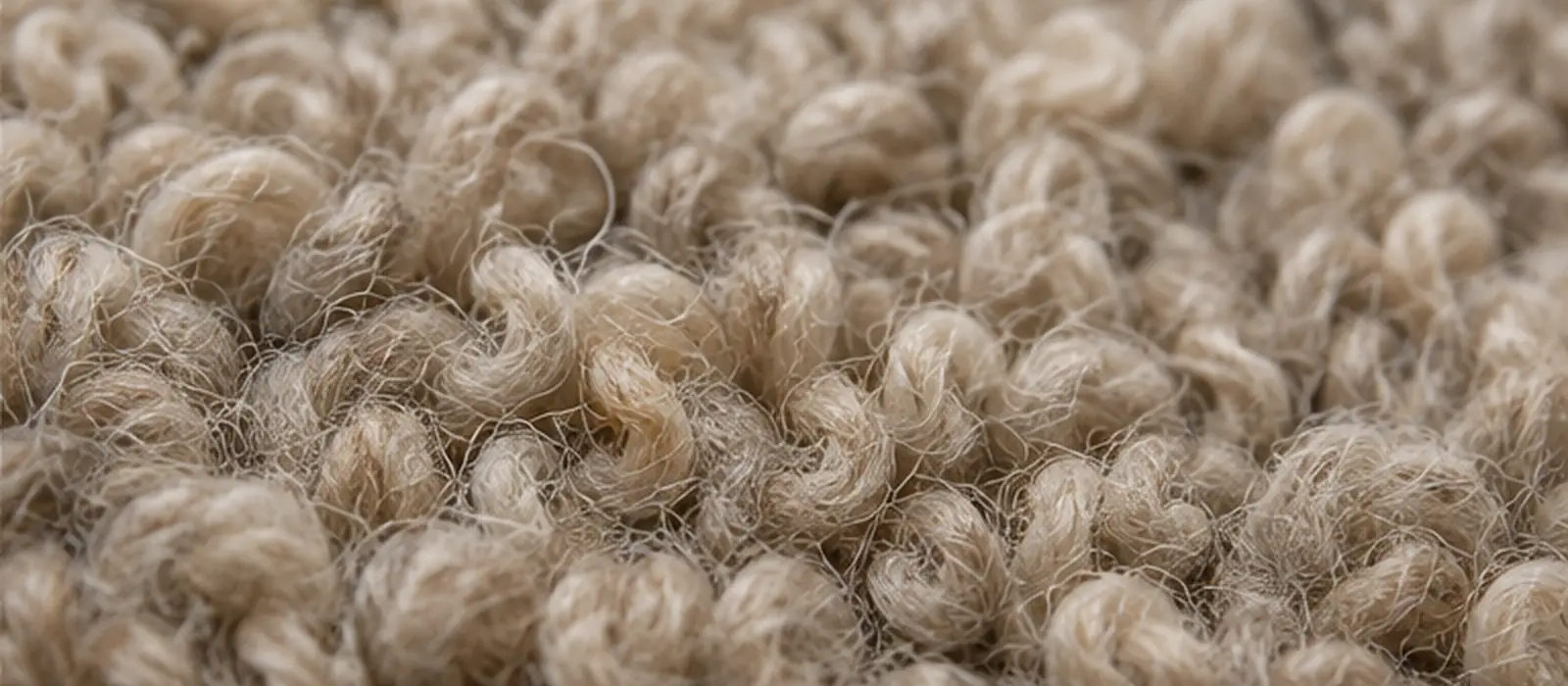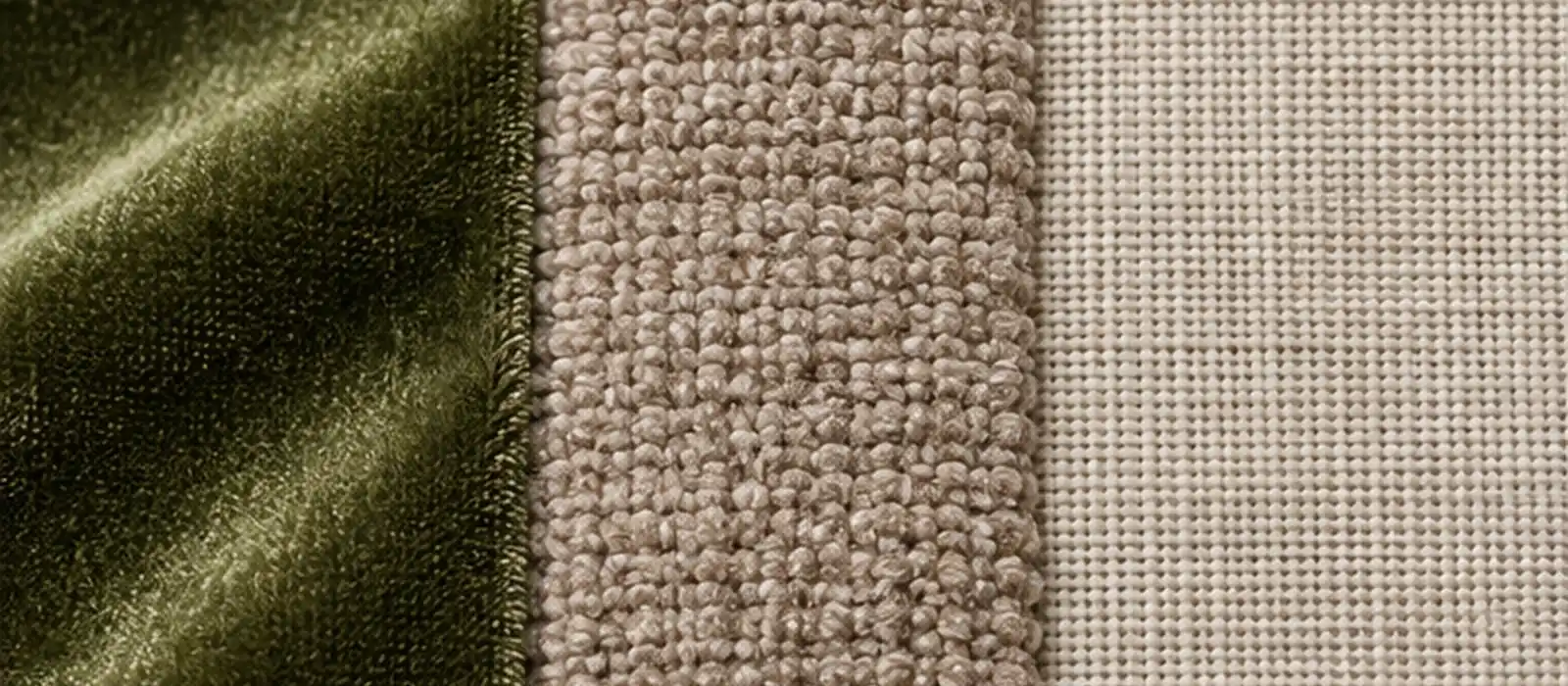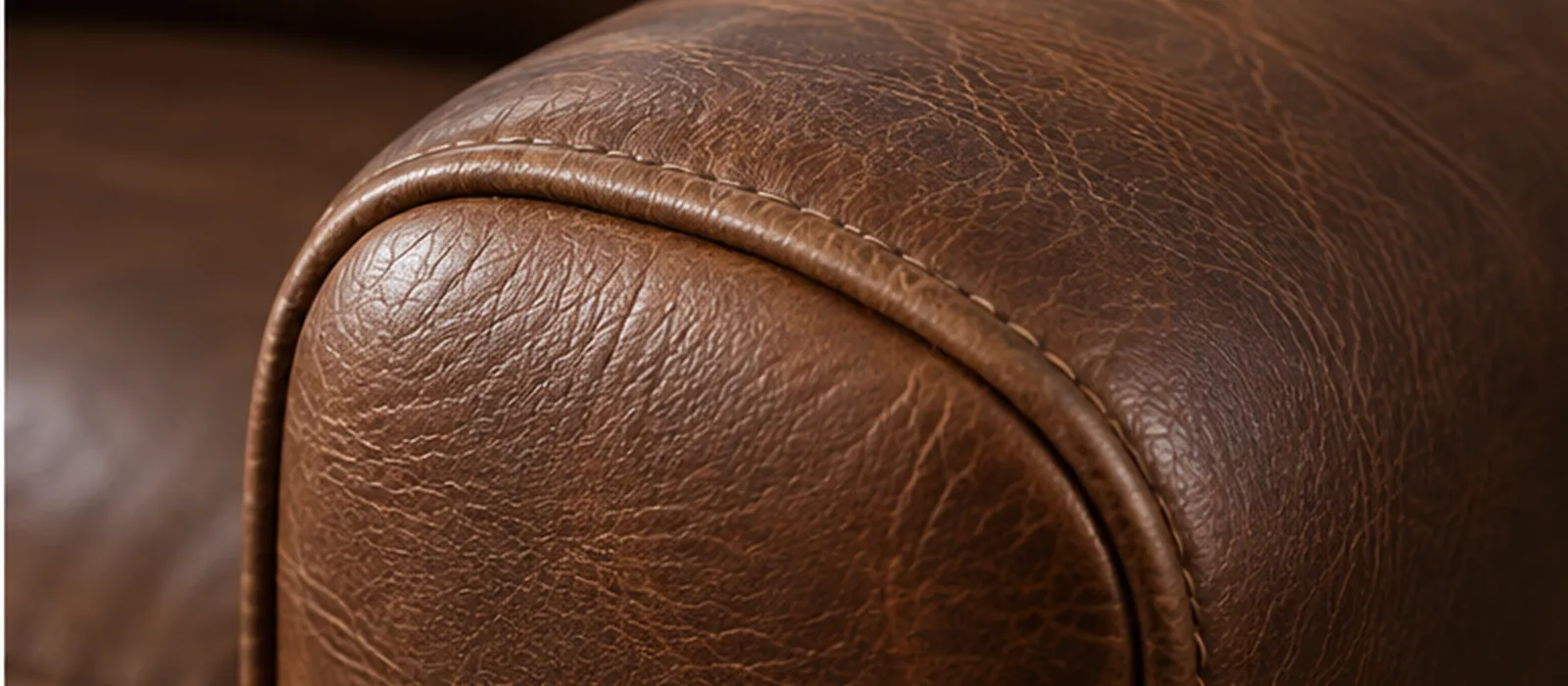
The upholstery cleaning codes: W, S, WS and X
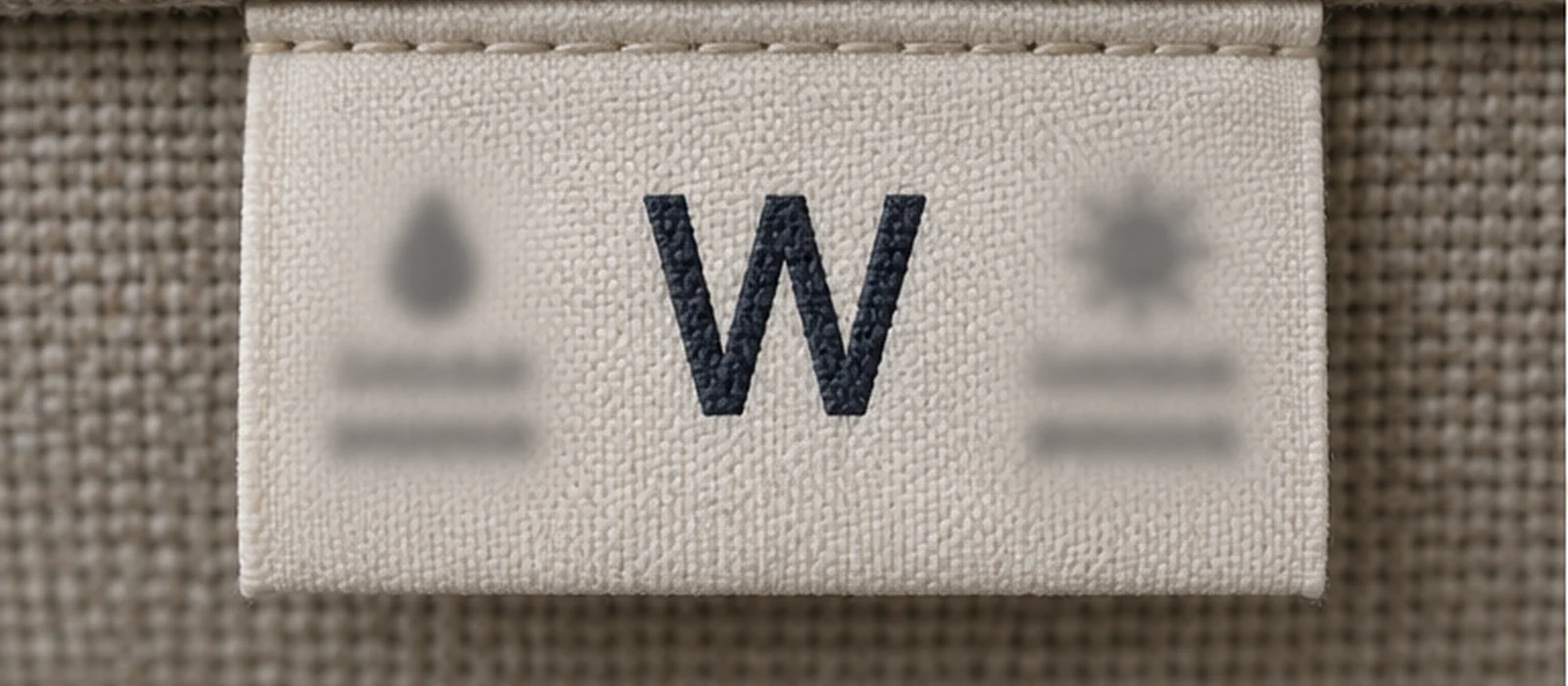
The single letter on the underside tag decides which cleaning method a fabric will survive. What each of the four codes permits, and what it quietly …
Sixteen guides to upholstery and soft-furnishing care, ordered the way the decisions actually happen: read the label, identify the fibre, understand the stain, then choose a method.
These pages are ordered the way the decisions actually happen in front of a sofa, not alphabetically. The label comes first, because it constrains everything after it. Then the fibre, because the label is sometimes missing or wrong. Then the stain, because what you are removing determines the chemistry. Only then the method.
Nothing here is a sales page. There is no service behind this site, nothing is quoted for, and no product is recommended by brand. Where a claim rests on a published standard or a manufacturer’s own care guidance, that source is linked at the foot of the page.
The single letter on the underside tag decides which cleaning method a fabric will survive. What each of the four codes permits, and what it quietly …
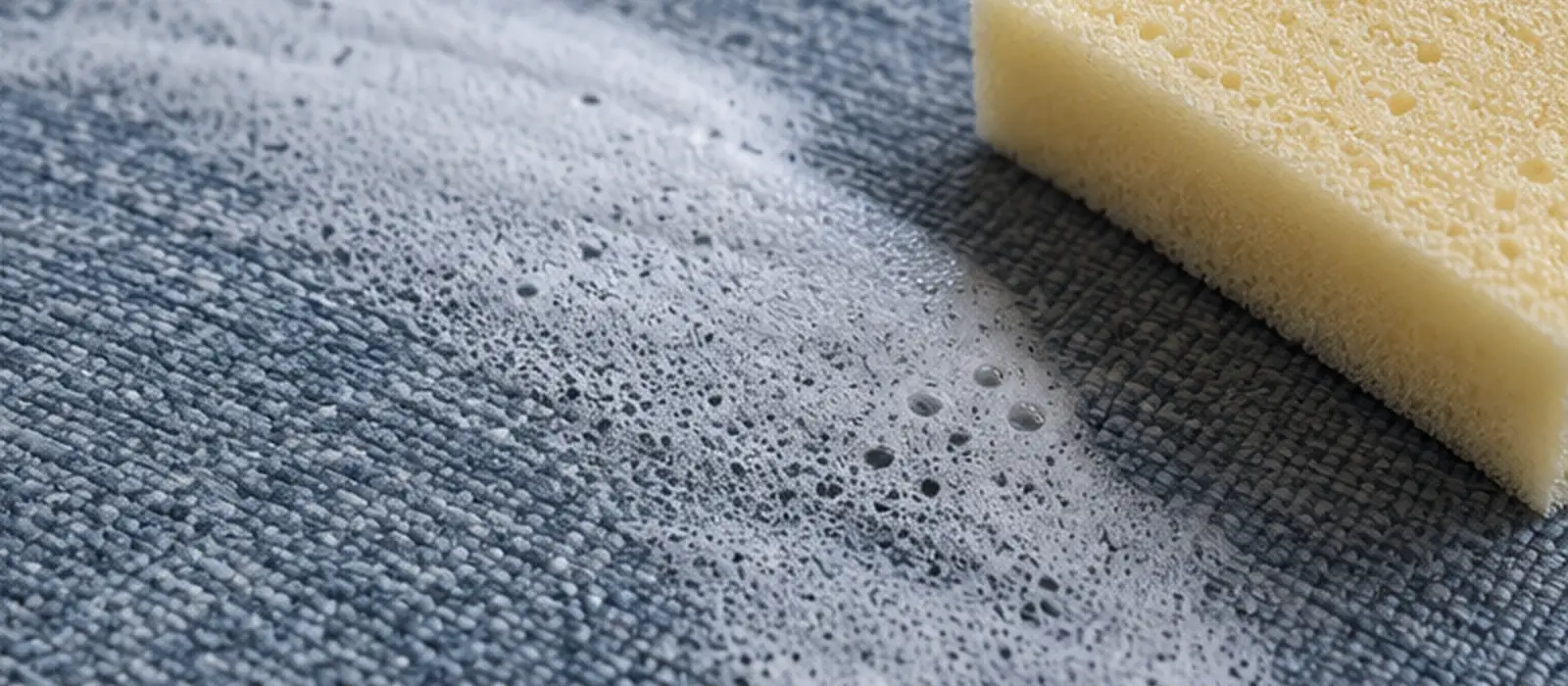
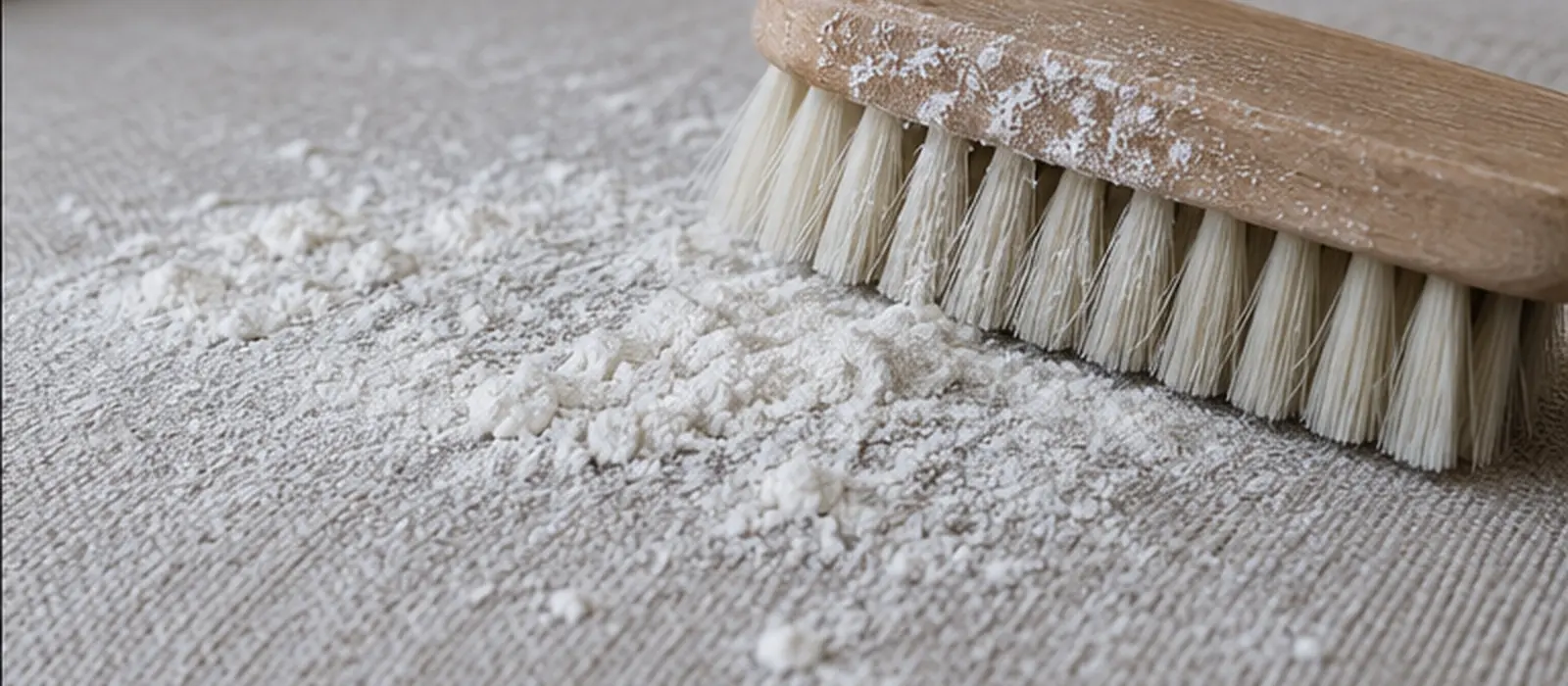
Why a single letter separates two incompatible chemistries, what each one dissolves, and the specific damage that follows from using the wrong one.
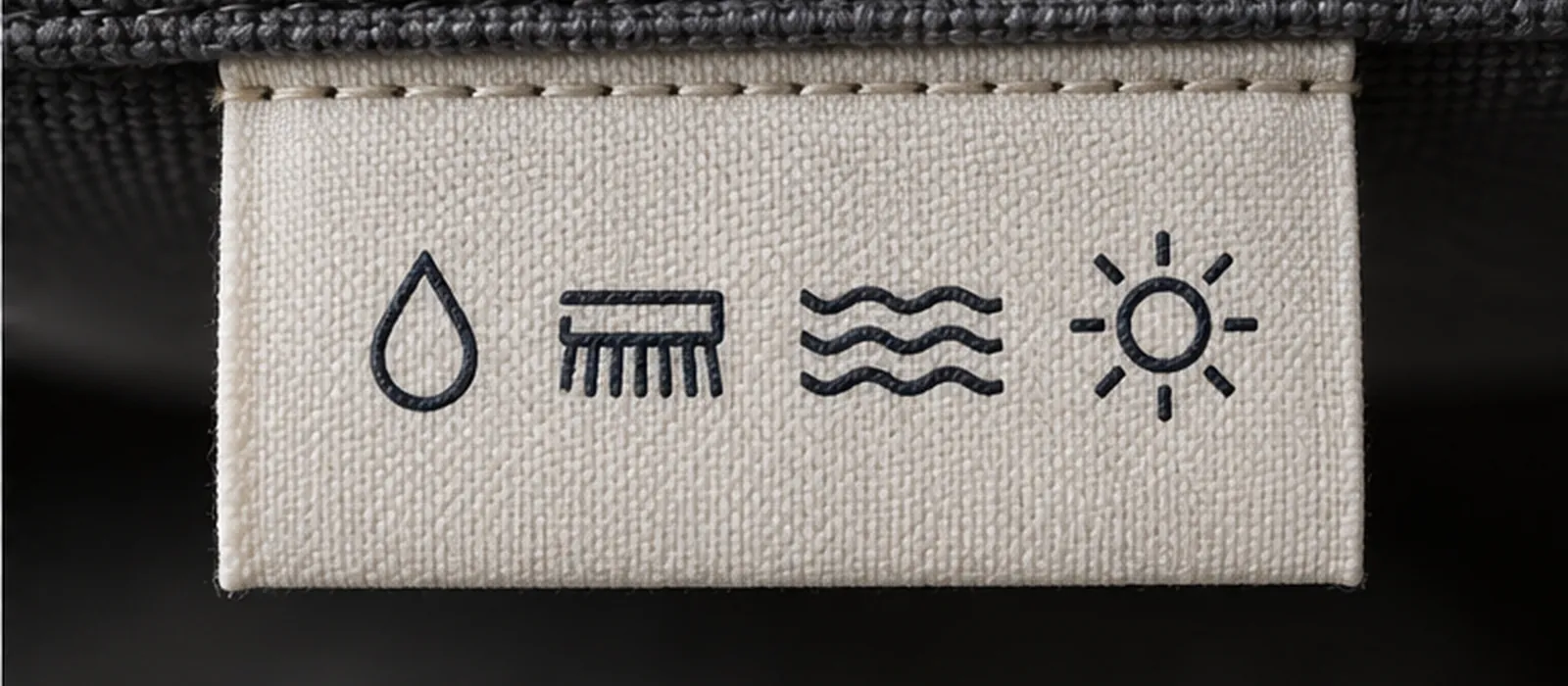
The five symbol shapes of the international care labelling code, what the circle means for upholstery in particular, and why a label states a limit …
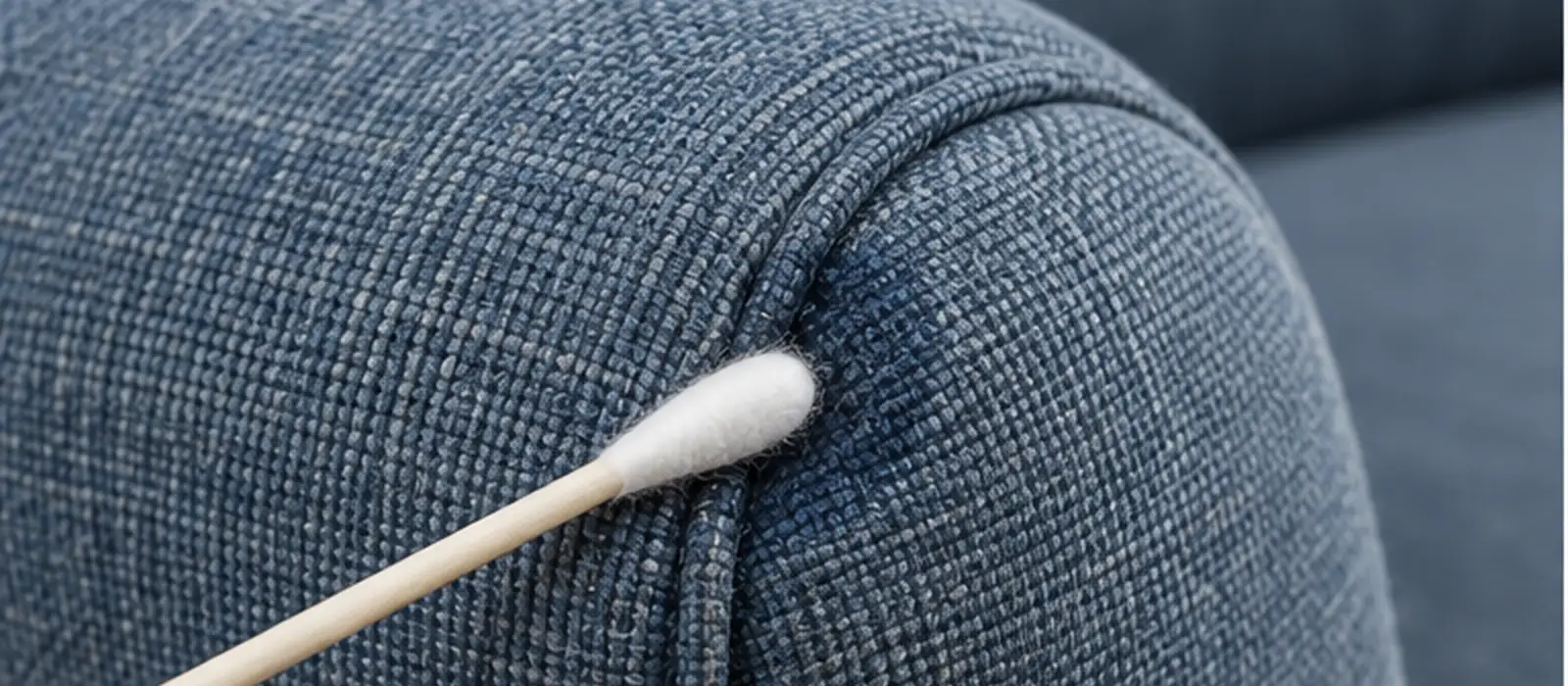
Colour bleed is the one upholstery failure with no repair. How a colourfastness test is actually performed, where to do it, and how to read the …
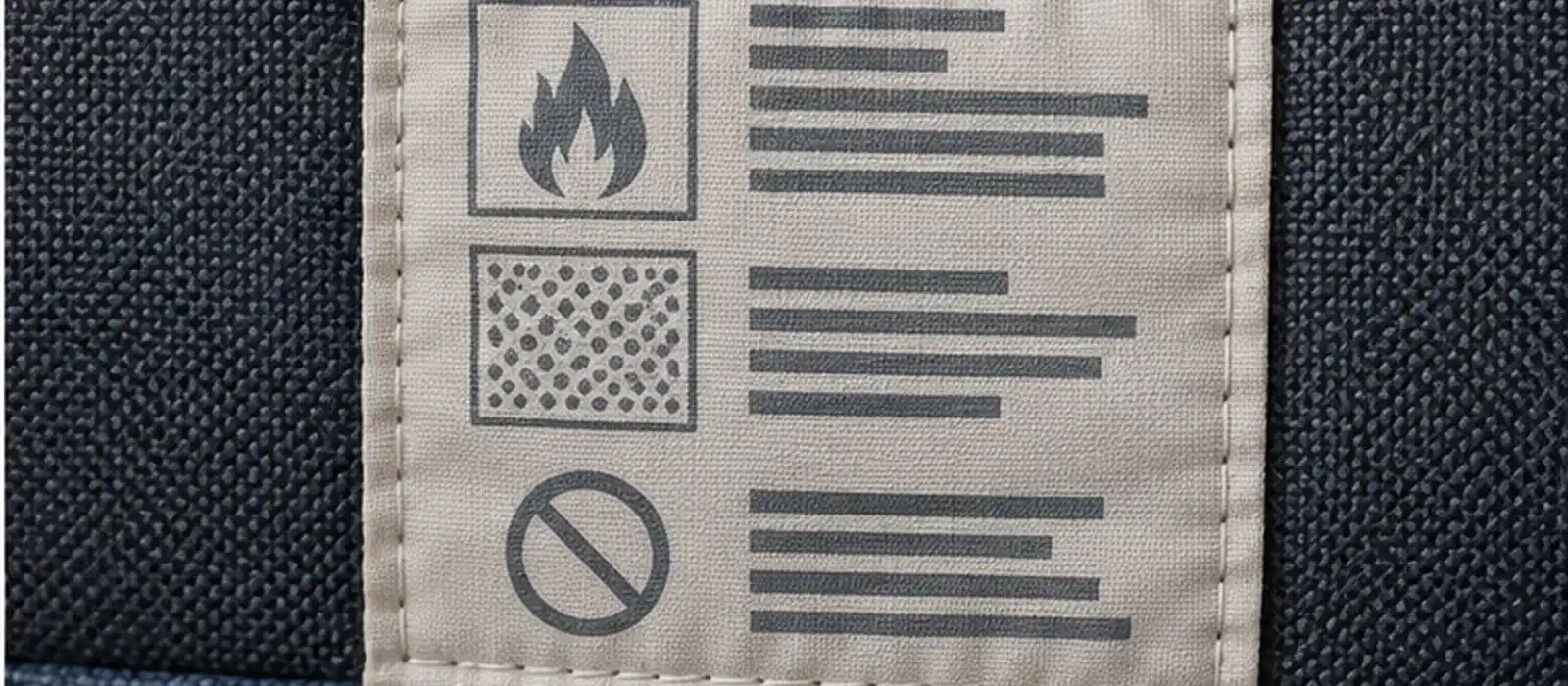
Why domestic upholstery sold in the UK carries a permanent fire label, which ignition tests sit behind it, and why the label is a reason not to …
When the label is gone, the fibre has to be identified directly. What the three fibre families do, what the burn test shows, and why identification is …
Wool resists soiling better than almost anything else, and it is destroyed by the products people reach for in a hurry. What the fibre tolerates, and …
Pile fabrics fail mechanically rather than chemically, and linen fails by browning and shrinking. Why these three need different handling from a flat …
Leather is a finished surface rather than a woven one, so it is cleaned in two stages — soil removal, then conditioning. Why aniline and pigmented …
The swing label vanished in October 2025 and a smoulder test may replace open-flame testing. What the 1988 fire label rules require as of October …
Protein, tannin, oil-based and dye stains need opposite treatments. The grouping is not bureaucratic tidiness — it is a prediction about which …
The first few minutes decide most outcomes. A short, ordered procedure for dealing with a fresh spill on a carpet or a sofa, and the things not to do …
Five habits account for most irreversibly damaged upholstery: over-wetting, heat on a protein stain, scrubbing pile fabric, bleach on wool, and …
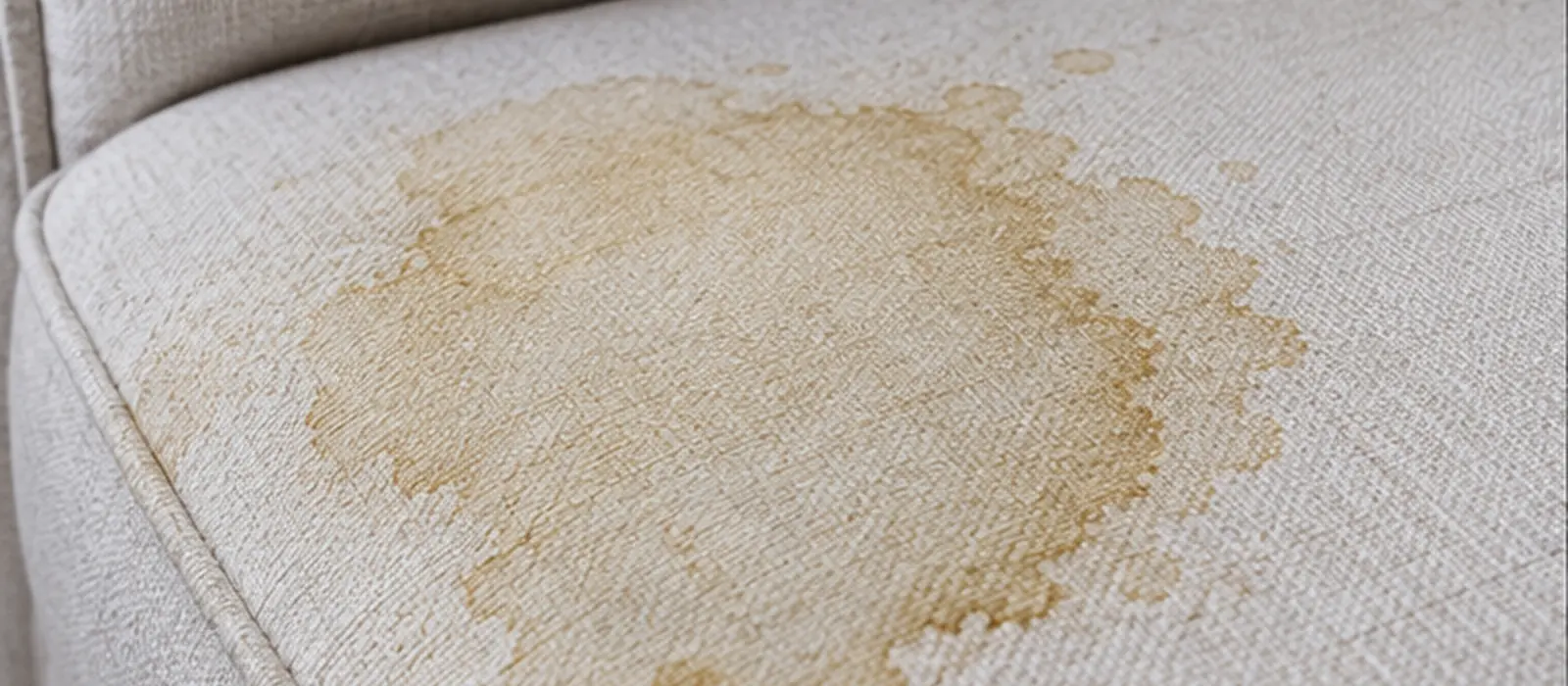
Why a cream sofa comes out of a clean yellower than it went in, what wicking is, and why the conditions that cause browning are all under the …
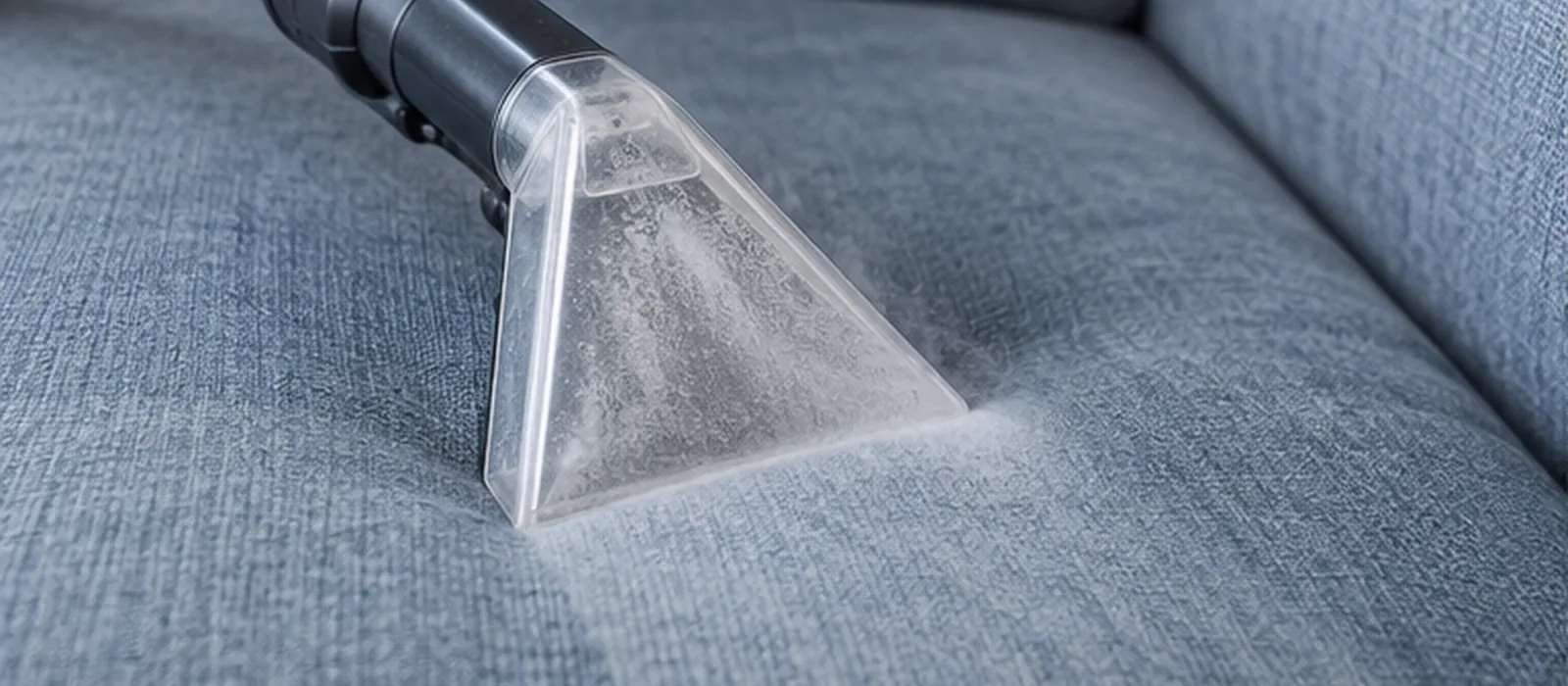
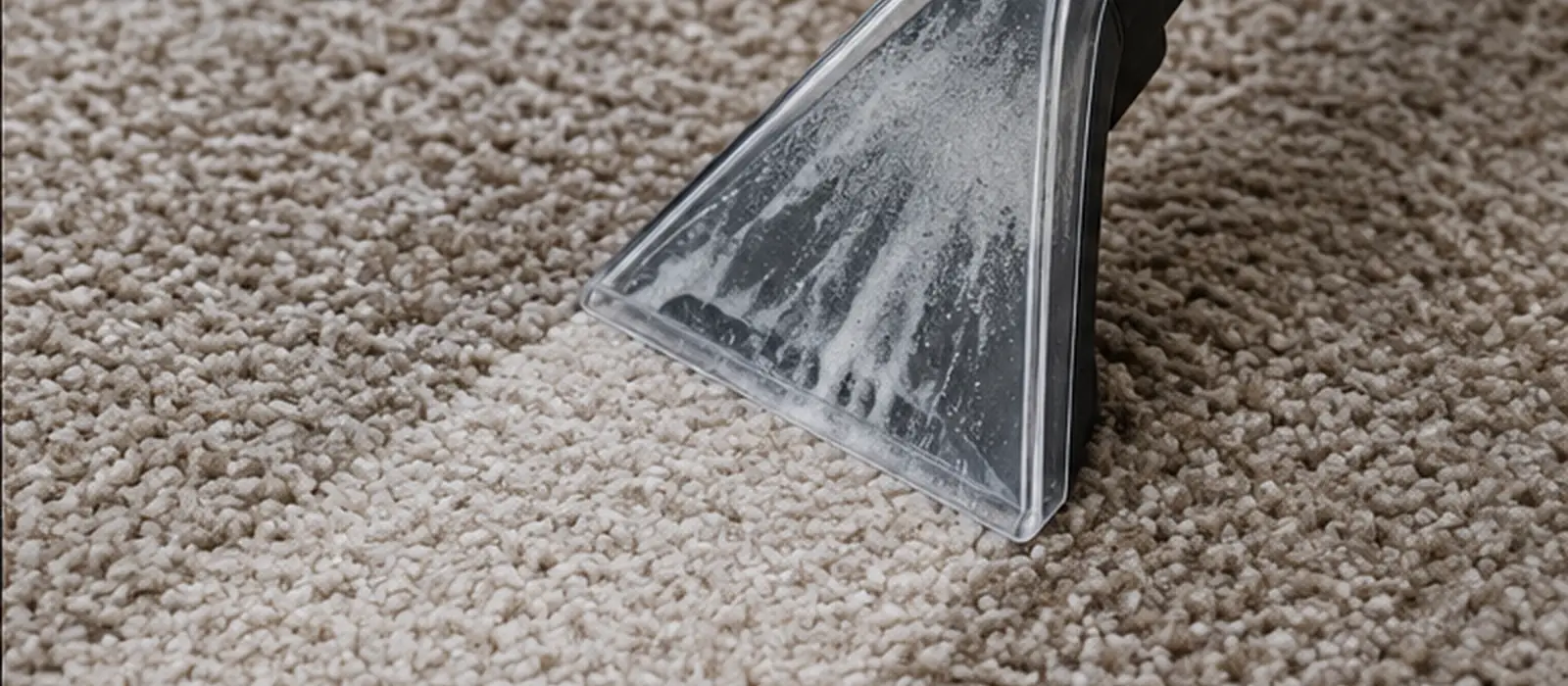
The deepest of the common cleaning methods, and the one with the most ways to go wrong. How extraction actually removes soil, and what governs whether …
Two systems that clean with a fraction of the water extraction uses. How encapsulation chemistry crystallises soil for later vacuuming, what bonnet …
What solvent cleaning is for, why the S code exists, and why 'dry cleaning' means two different things in the upholstery trade — one solvent-based, …
Carpet shares its cleaning chemistry with upholstery and differs in construction, soil load and drying. What carries over from soft-furnishing care, …
Stone, sealed wood, vinyl and tile fail in ways textiles do not — etching, finish stripping and moisture damage. Why a neutral cleaner is the default …
A hired extraction machine performs the same steps as a professional one with much less capability at the step that matters. Where that gap shows, and …